What a Nervous System Reset Actually Involves
August 13, 2026

A nervous system reset is a set of deliberate practices that shift you from prolonged sympathetic activation, the body’s stress-and-survival state, into parasympathetic recovery. You can start right now. Take a double inhale through your nose (two quick sniffs), then release a long, slow exhale through your mouth. That’s the physiological sigh, and Stanford Lifestyle Medicine identifies it as one of the fastest ways to signal safety to your nervous system. A second option: breathe in for 4 counts, out for 6. The extended exhale is what does the work, slowing your heart rate within seconds.
You can use either technique in these moments:
The physiology behind these tools is well-established. The Cleveland Clinic, Mayo Clinic, and Stanford Lifestyle Medicine all support breathwork and vagal stimulation as evidence-informed methods for calming the autonomic nervous system. What does a nervous system reset involve beyond these first steps? The sections below walk you through the biology, the techniques, a short protocol, and when to seek clinical help.
A nervous system reset works through repeated, low-intensity inputs that shift the autonomic nervous system toward parasympathetic recovery, with measurable baseline change typically emerging after 2–4 weeks of consistent daily practice.
| Point | Details |
|---|---|
| Start immediately | A physiological sigh (double inhale, long exhale) lowers perceived arousal within seconds and can be used anywhere. |
| Build a daily rhythm | Stack 2–3 micro-practices (breathwork, humming, 10-minute walk) into existing transitions for lasting regulation. |
| Expect baseline change in 2–4 weeks | Consistent daily practice of 10–20 minutes is what shifts HRV and sleep quality over time, not single sessions. |
| Know the red flags | Chest pain, fainting, or new neurological symptoms during any technique require stopping and seeking medical care. |
| Brainrestoremeridian for deeper support | When self-directed practice plateaus, the clinic’s qEEG-guided neurofeedback and functional medicine programs offer a measurable, personalized path forward. |
Your autonomic nervous system (ANS) runs in the background, managing heart rate, digestion, breathing, and immune response without conscious input. It has two main branches. The sympathetic branch accelerates everything: heart rate climbs, muscles tense, digestion slows, and cortisol rises. The parasympathetic branch does the opposite: it slows the heart, relaxes muscles, and restores digestive and immune function. A healthy nervous system moves fluidly between these two states. Chronic stress, poor sleep, and relentless demands can keep the sympathetic branch locked on, even when no real threat exists.
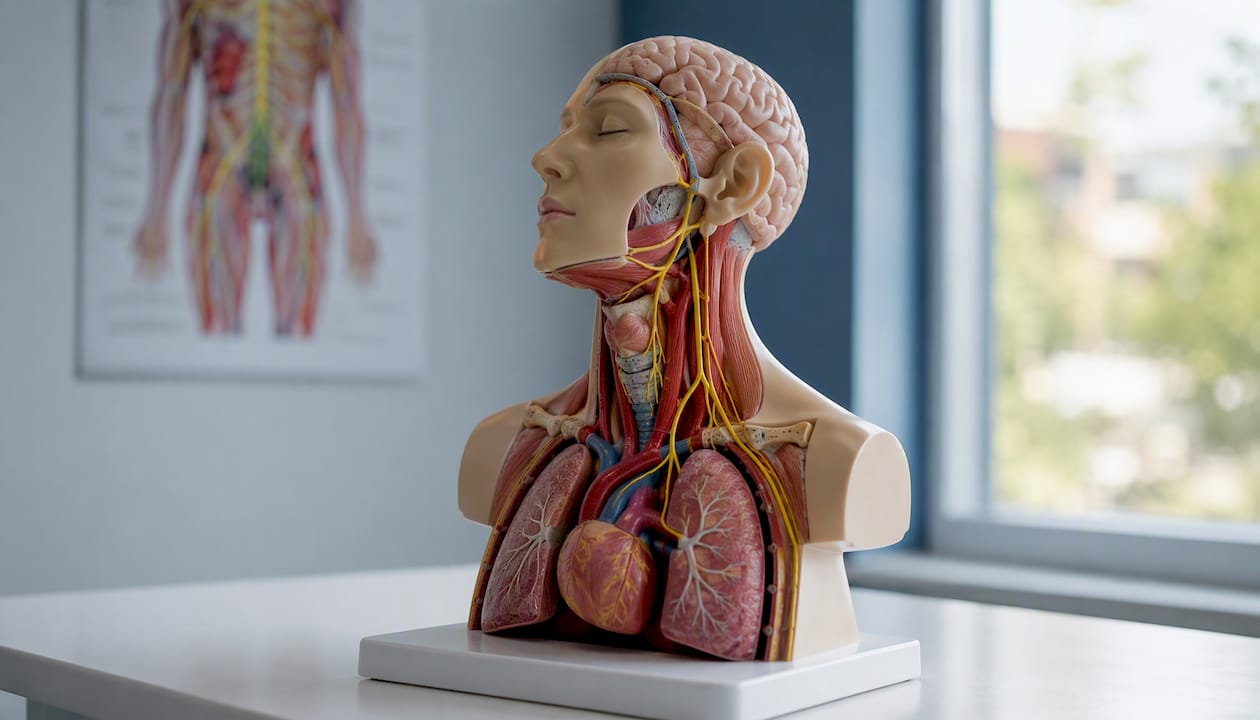
The vagus nerve is the primary cable of the parasympathetic system. It runs from your brainstem down through your throat, heart, lungs, and gut, connecting your brain to most of your major organs. When vagal tone is high, your body shifts into recovery more easily. Peer-reviewed research links vagal activity to reduced inflammation and better emotional regulation, which is why techniques that stimulate the vagus nerve produce measurable physiological changes.
Think of the ANS as a two-lane highway. Most people in chronic stress are stuck in the fast lane with no exit ramp. A reset is simply finding the off-ramp and taking it. Consistent inputs, such as regular breathwork, sleep at predictable times, and deliberate transition rituals, gradually widen that off-ramp over weeks, changing your baseline rather than just offering temporary relief.
Extended-exhale breathing is the most accessible and fastest-acting technique. The Cleveland Clinic notes that patterns like 4:6 breathing (4-count inhale, 6-count exhale) and the physiological sigh lower heart rate by influencing cardiorespiratory feedback and vagal tone. Practice for 2–5 minutes. If you feel lightheaded, return to normal breathing and try a shorter exhale ratio (4:5) next time.

Resonance breathing (roughly 5–6 breaths per minute) is a slightly more structured version used in clinical trials to increase heart-rate variability (HRV). Set a timer for 5 minutes and breathe in for 5 counts, out for 5 counts. It feels slow at first, but that’s the point.
Non-Sleep Deep Rest (NSDR) combines breath awareness, body scanning, and progressive relaxation into a single session. NSDR.co identifies NSDR-style guided sessions as among the highest-return single-session practices for building parasympathetic activation, especially when repeated daily. A 10–20 minute guided session is enough. The Dartmouth Wellness Center offers free guided progressive muscle relaxation (PMR) recordings that work well for this purpose.
PMR involves tensing a muscle group for 5–7 seconds, then releasing for 20–30 seconds, moving systematically from feet to face. The contrast between tension and release trains the body to recognize and return to a relaxed baseline. One full session takes about 15 minutes.
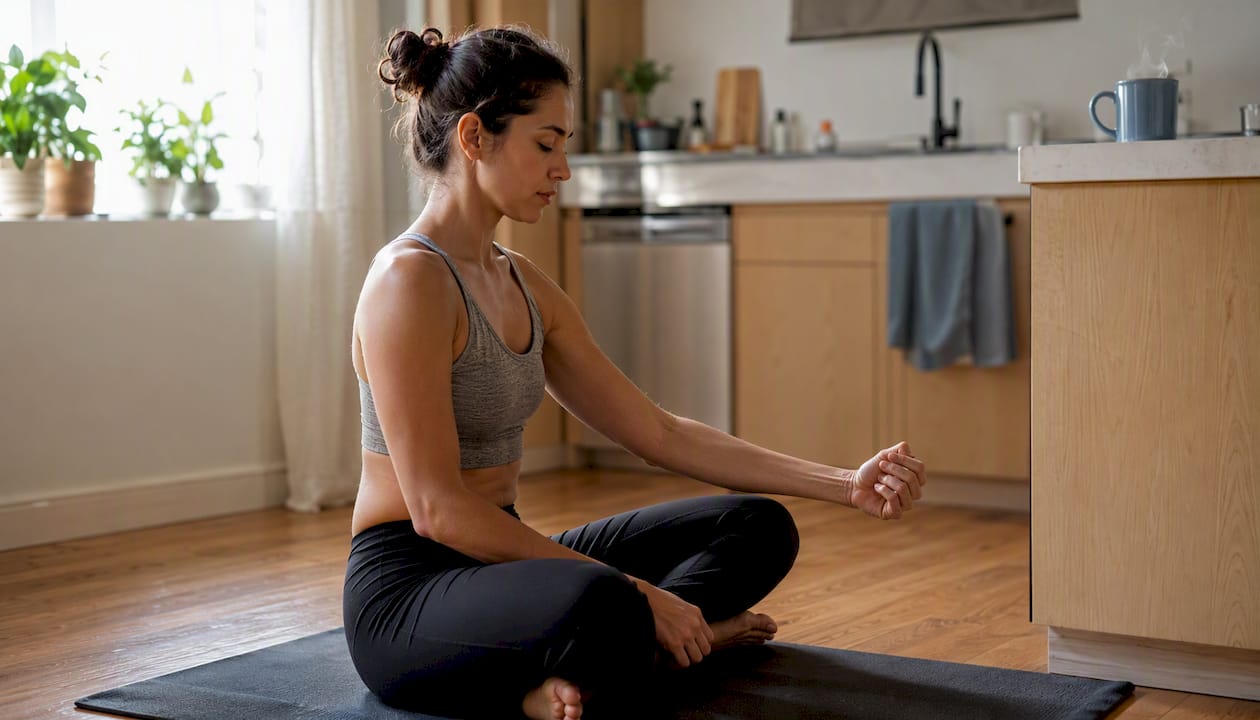
Humming creates vibration in the throat that directly stimulates the vagus nerve. Hum at a comfortable pitch for 2–3 minutes. It sounds simple because it is, and that’s what makes it practical.
Cold exposure works through a different pathway. Splashing cold water on your face or submerging your face in a bowl of cold water for 15–30 seconds activates the diving reflex, which slows heart rate rapidly. Cold showers (30–60 seconds of cold at the end of a warm shower) produce a similar effect. People with cardiovascular conditions should skip cold immersion and consult a physician before trying cold exposure of any kind.
A 10-minute walk, especially outdoors, helps metabolize stress hormones that build up during sympathetic activation. The goal isn’t intensity. Gentle, rhythmic movement signals to the body that the threat has passed. Practitioners recommend this as a transition ritual after work or a stressful event, replacing the common habit of reaching for caffeine or a screen.
Sleep is not a passive recovery tool. It’s the primary window for nervous-system repair. Consistent sleep and wake times, a 30-minute wind-down without screens, and a dim, cool room all support parasympathetic dominance during the night. Transition rituals, brief, repeatable cues that mark the end of one mode and the start of another, help the nervous system differentiate “safe” from “threat” throughout the day.
Pro Tip: Stack micro-practices into existing transitions. A physiological sigh before you open your laptop, a 2-minute hum after lunch, and a 10-minute walk at the end of your workday costs you less than 15 minutes total and builds a daily regulation rhythm without requiring a separate “practice” block.
This protocol is designed for adults with no active cardiovascular or respiratory conditions. If you have uncontrolled hypertension, a seizure history, or are pregnant, read the modifications at the end before starting.
What to expect: A mild drop in perceived tension, slower breathing, and possibly a slight heaviness in your limbs. These are parasympathetic signals, not problems.
If you feel lightheaded: Stop the breath holds, breathe normally, and sit with your feet flat on the floor. Lightheadedness during breathwork usually means the exhale is too forceful or too long. Shorten the exhale ratio and try again tomorrow.
Modifications: People with respiratory conditions (asthma, COPD) should skip the humming step and replace it with a gentle body scan (mentally relaxing each muscle group from feet to face). Pregnant readers should avoid cold immersion and any breath-holding variations; the 4:6 breathing and body scan steps are safe. Anyone with a pacemaker or implanted cardiac device should consult their cardiologist before using cold exposure.
The honest answer is: it depends on what you’re measuring. Immediate relief and baseline change are two different outcomes, and conflating them leads to frustration.
A single physiological sigh or 5-minute breathwork session can lower perceived arousal within minutes. That’s real, but it’s not the same as changing how your nervous system responds to stress by default. NSDR.co notes that many people see measurable improvement in 2–4 weeks with consistent daily practice. Baseline regulation, the kind that changes how you sleep, react, and recover, requires repeated inputs over weeks to months.
| Timeframe | Typical practice frequency | Likely measurable signal |
|---|---|---|
| Minutes | Single session | Lower perceived arousal, slower breathing, reduced jaw tension |
| Hours to days | Once or twice daily | Improved sleep onset, reduced afternoon reactivity |
| 2–4 weeks | Daily (10–20 min) | Better sleep quality, lower subjective anxiety, early HRV improvement |
| 4–8 weeks | Daily with consistency | Measurable HRV increase, reduced baseline cortisol reactivity |
Research on resonance breathing shows that short, repeated breathing protocols can increase HRV, a measurable marker of improved autonomic balance. HRV is one of the clearest objective signals that your parasympathetic system is gaining ground.
Some websites describe intensive 24-hour reset protocols. These can shift physiology over a single day, but most clinicians are clear: changing baseline regulation requires weeks of repeated practice, not one concentrated effort.
Most breathwork and relaxation techniques are safe for healthy adults. That said, certain conditions and scenarios call for caution or a modified approach.
Use extra caution or consult a physician first if you have:
Stop immediately and seek medical care if you experience:
The Mayo Clinic is clear that self-help tools are not a replacement for medical care when symptoms are persistent or severe. A reset practice is a complement to care, not a substitute for diagnosis.
Self-directed regulation works well for most people dealing with everyday stress and mild dysregulation. When symptoms persist despite consistent practice, or when they significantly impair sleep, work, or relationships, clinical options are worth exploring.
Clinical pathways to consider:
What to ask at a first consultation:
Peer-reviewed evidence supports vagal pathways as a plausible biological mechanism for symptom change, and clinical research continues to build the case for autonomic-targeted interventions in both psychiatric and inflammatory conditions.
You don’t need a wearable to notice early signs of regulation. The body gives clear signals.
Immediate signs (within a session):
Short-term signals (over days):
Objective tracking: HRV is the most accessible objective marker. Many consumer wearables (Garmin, Apple Watch, Oura Ring) track morning HRV. A rising trend over 2–4 weeks of consistent practice is a meaningful signal. Sleep-onset time and number of awakenings are equally useful and require no device.
Mini tracking template (one week):
Each evening, write two lines: the technique you used, how long you practiced, and a perceived calm score from 1 (very activated) to 5 (very calm). After seven days, look for a pattern. Most people notice improvement in their 1–5 scores before they notice it in their HRV data.
Quick fixes matter less than the structure around them. The nervous system learns from repeated patterns, not occasional interventions.
Transition rituals:
Sleep as infrastructure:
Movement guidelines:
Stacking micro-practices:
Most people approach a nervous system reset the way they approach a workout: one session, measurable result, done. That framing sets you up for disappointment. Regulation is not a performance. It’s a rhythm.
The practices in this article work because they’re repeated, not because they’re intense or expensive. A 2-minute hum at lunch and a 10-minute walk after work will do more for your baseline over a month than a single 90-minute wellness session you do once. Permission to pause, briefly and often, is the actual skill being built. Imperfect practice beats perfect intention every time.
If you’ve been consistent for 4–6 weeks and still feel stuck, that’s not a failure of effort. It may mean there’s an underlying contributor (sleep disorder, thyroid dysfunction, chronic pain, unresolved trauma) that self-directed practice can’t reach alone. That’s exactly when clinic-based support, including neurofeedback, functional medicine evaluation, or guided therapy, becomes the more efficient path forward.
For many people, breathwork and daily rhythm changes produce real, lasting relief. But when dysregulation runs deeper, whether from a history of trauma, a neurological condition, chronic pain, or persistent anxiety, a personalized clinical evaluation changes what’s possible.
Brainrestoremeridian, located in Meridian, Idaho, offers a multidisciplinary approach to nervous-system recovery that goes well beyond what any app or protocol can provide. The clinic’s intake process includes qEEG brain mapping to establish a measurable baseline, followed by a personalized plan that may incorporate neurofeedback for anxiety relief, photobiomodulation, functional medicine assessment, and rehabilitative therapies. Progress is tracked with objective markers, so you know what’s changing and why. If you’re ready to move from self-directed practice to a structured, clinician-guided plan, schedule an evaluation at Brainrestoremeridian to find out which therapies fit your specific picture.
Questions about your next step?
Our Meridian team can help you understand the evaluation process and which care options may fit your needs.
Schedule a ConsultationPrefer to speak with our team? Call 208-639-1397