Vagus Nerve Exercises: Evidence, Safety, and Practical Considerations
August 31, 2026

The highest-yield vagus nerve exercises you can do at home are slow diaphragmatic breathing with a longer exhale, humming or vigorous gargling, brief cold-face stimulation, gentle yoga-style movement, and targeted neck or ear massage. Practiced consistently, these can shift your body toward a calmer state within minutes. If you have POTS, a heart condition, or a recent head or neck injury, start seated, go gently, and skip breath-holds if you feel lightheaded.
TL;DR:
- Slow diaphragmatic breathing with extended exhalation can activate vagal pathways and support relaxation within minutes.
- Humming, gargling, and cold-face stimulation have emerging evidence linking them to heart rate variability improvements and stress reduction.
- Building a consistent routine over several weeks, including daily breathwork, cold exposure, and gentle yoga, enhances long-term vagal tone.
- People with heart conditions, head or neck injuries, or dysautonomia should consult a doctor before starting or modifying these exercises.
- At-home techniques modestly shift nervous system regulation and may not resolve ongoing or severe autonomic symptoms without clinical intervention.
Your vagus nerve is the longest cranial nerve in your body, running from your brainstem down through your neck, chest, and abdomen. It’s the main highway of your parasympathetic nervous system, the branch that slows your heart rate, supports digestion, and helps your body downshift after stress. Think of it as the brake pedal working against the gas pedal of your sympathetic “fight or flight” response.
When people talk about a vagus nerve “reset,” they usually mean one of two different things, and mixing them up leads to unrealistic expectations:
Implanted vagus nerve stimulation is a separate category entirely. The FDA has approved implanted VNS devices for treatment-resistant epilepsy since 1997 and chronic treatment-resistant depression since 2005. Everything else, including most wellness claims about VNS for anxiety, weight, or inflammation, remains experimental.
These eight exercises are ordered roughly from safest and most foundational to more targeted techniques. Try the first two or three before adding the rest.
Resonant diaphragmatic breathing. Sit or lie down, place a hand on your belly, and inhale through your nose for four counts, letting your belly rise. Exhale slowly through your mouth for six to eight counts. Practice for 5 to 10 minutes, once or twice daily. The extended exhale is the mechanism here: it activates baroreceptors that signal your vagus nerve to slow your heart rate. Skip breath-holding if you feel dizzy.
Cyclic sighing. Take a normal inhale, then a second short “top-up” inhale through the nose, followed by a long, slow exhale through the mouth. Repeat for 2 to 5 minutes. This variation on the 4-7-8 pattern seems to lower arousal faster than normal breathing for some people, likely through the same exhale-driven vagal pathway. Stop if you feel light-headed or your fingers tingle.
Humming or low chanting. Hum a single low note for as long as you comfortably can, five to ten repetitions, once daily. The vibration in your throat and chest physically stimulates the vagus nerve where it runs near your vocal cords. Small studies link humming and chanting to measurable shifts in heart rate variability (HRV) and reduced activity in the brain’s stress centers, though the evidence base is still emerging.
Vigorous gargling. Gargle water for 30 to 60 seconds, two or three rounds, once or twice a day. Clinicians sometimes suggest gargling hard enough that your eyes water slightly, since stronger mechanical pressure on the back of the throat appears to engage the laryngeal branches of the vagus nerve more effectively. Skip this if you have a active throat injury or recent surgery.
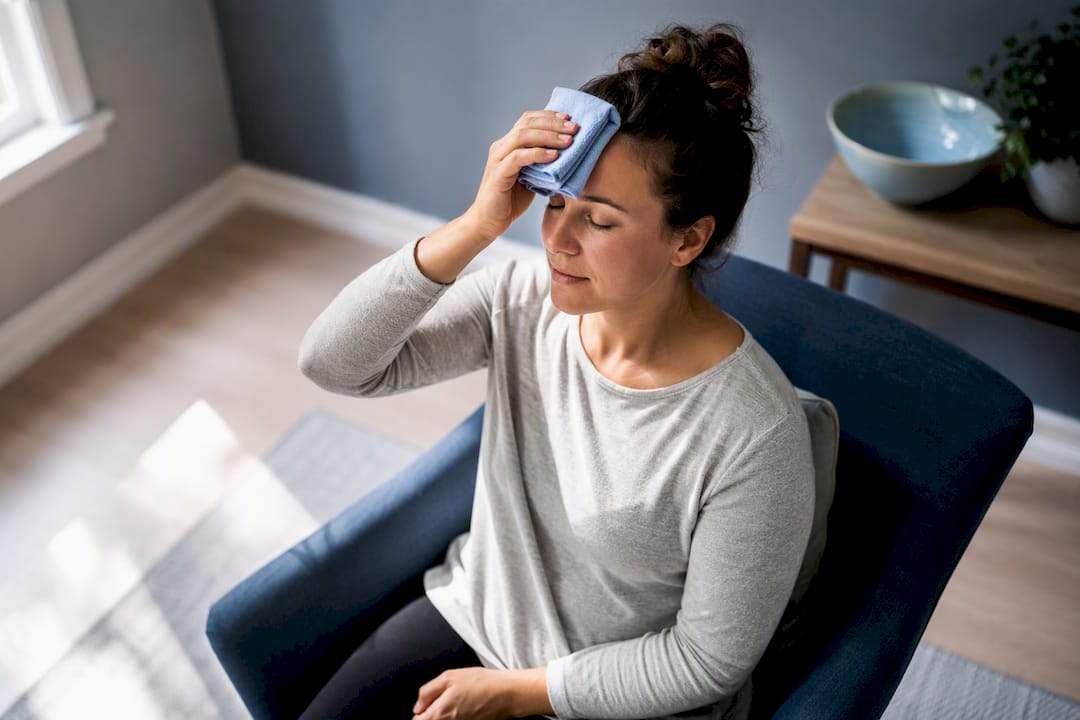
Cold-face stimulus. Splash cold water on your face for 15 to 30 seconds, or finish your shower with 20 to 30 seconds of cold water on your face and neck. This triggers your mammalian dive reflex, which can slow heart rate rapidly, with some studies showing reductions of roughly 10% to 25% during cold immersion. Anyone with a heart condition should use a cold cloth on the forehead instead of full immersion, and always start seated.
Restorative yoga poses. Legs-up-the-wall, child’s pose, and supported forward folds held for 3 to 5 minutes each activate the relaxation response through slow breathing combined with gentle spinal extension near the vagus nerve’s pathway through the neck. Three sessions a week is a reasonable starting frequency.
Gentle ear, neck, and foot massage. Lightly massage the outer ear (particularly the concha, which vagal branches pass through), the sides of the neck, or the soles of the feet for 3 to 5 minutes. Pressure should stay light. Painful, deep-tissue work can backfire and trigger a sympathetic stress response instead of a calming one. A partner guide on massage target areas covers safe zones in more depth.
Paced moderate exercise and social connection. A 20 to 30 minute walk, plus regular face-to-face social contact, supports vagal tone over time. Neither produces the instant effect of cold water on your face, but both contribute to the slower, cumulative kind of change.
Pro Tip: Pair one breathing exercise with one vocalization or cold-stimulus technique each day rather than trying all eight at once. Two consistent techniques beat eight sporadic ones.
Consistency beats intensity for this kind of nervous system training. A workable starter plan looks like this:
A systematic review of slow breathing found that breathing around six breaths per minute reliably raises HRV within a single session, and sustained daily practice improves HRV over four or more weeks. That timeline matters: expect the calming feeling within minutes, but expect measurable change in your baseline nervous system regulation to take weeks, not days.
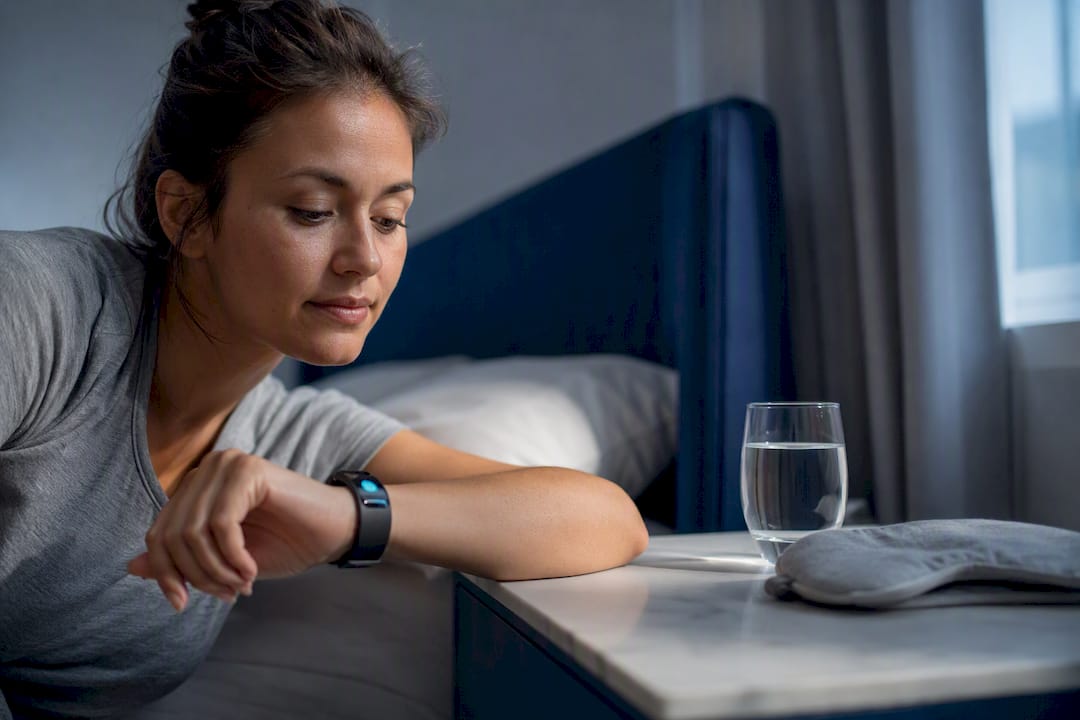
If you want objective feedback, a wearable that tracks HRV can show whether your baseline is trending upward over a month. If you’d rather track subjectively, a simple daily rating of stress or sleep quality works nearly as well for spotting patterns.
Most people can try gentle breathing and humming with no issue, but a few groups need medical clearance first.
Warning signs to stop immediately include dizziness, fainting, chest pain, or a racing heartbeat that doesn’t settle. If any of these occur, sit or lie down right away and seek medical attention if symptoms persist.
For anyone in a higher-risk group, start every exercise seated or lying down, skip breath-hold phases the moment you feel light-headed, and avoid pressing directly on the carotid arteries in your neck or any deep, painful massage.
Pro Tip: If you have POTS, trial a cold cloth on your forehead before ever attempting face immersion, and do it seated. Standing during a sudden cold stimulus can trigger a drop in blood pressure.
The evidence for at-home vagal techniques is real but modest, and it’s worth being honest about the size of the effect.
Clinicians describe these techniques as modest modulators of autonomic balance, not a switch that flips a single nerve on or off. The honest framing is that they support your body’s overall stress response system, and they work best as a daily habit rather than an occasional fix.
The practical takeaway: expect a real, quick calming effect from most sessions. Expect the deeper, baseline shift in vagal tone to take consistent daily practice over several weeks.
At Brainrestoremeridian, we see home breathing and vagal techniques work well as daily maintenance. They rarely resolve persistent dizziness, chronic pain, or autonomic symptoms that keep recurring. If yours don’t ease with steady practice, that’s a signal for a clinical evaluation, not a signal to try harder alone.
— Chad
Breathing exercises and cold rinses are a legitimate starting point, but they have a ceiling. When autonomic symptoms, chronic pain, or persistent anxiety don’t budge after weeks of consistent home practice, that’s usually a sign your nervous system needs more targeted support than a daily routine can provide.
Brainrestoremeridian’s neurofeedback programs are built for exactly that gap. Rather than relying on general calming techniques, neurofeedback maps your brain’s own activity and trains it toward better regulation over a series of sessions. For readers whose stress or pain hasn’t responded well to breathwork alone, our neurofeedback for anxiety relief page explains how this works in practical terms, and our chronic pain program covers how it integrates with rehabilitative care for ongoing pain. If your symptoms are persistent rather than occasional, book a consultation at our Meridian clinic to get a personalized assessment before deciding what comes next.
This article is general information, not a substitute for advice from a qualified doctor. Consult a qualified healthcare professional about your own circumstances before acting on anything here.
Questions about your next step?
Our Meridian team can help you understand the evaluation process and which care options may fit your needs.
Schedule a ConsultationPrefer to speak with our team? Call 208-639-1397