Concussion Sleep Problems: Screen Early, Try CBT-I by 4 Weeks
October 5, 2026

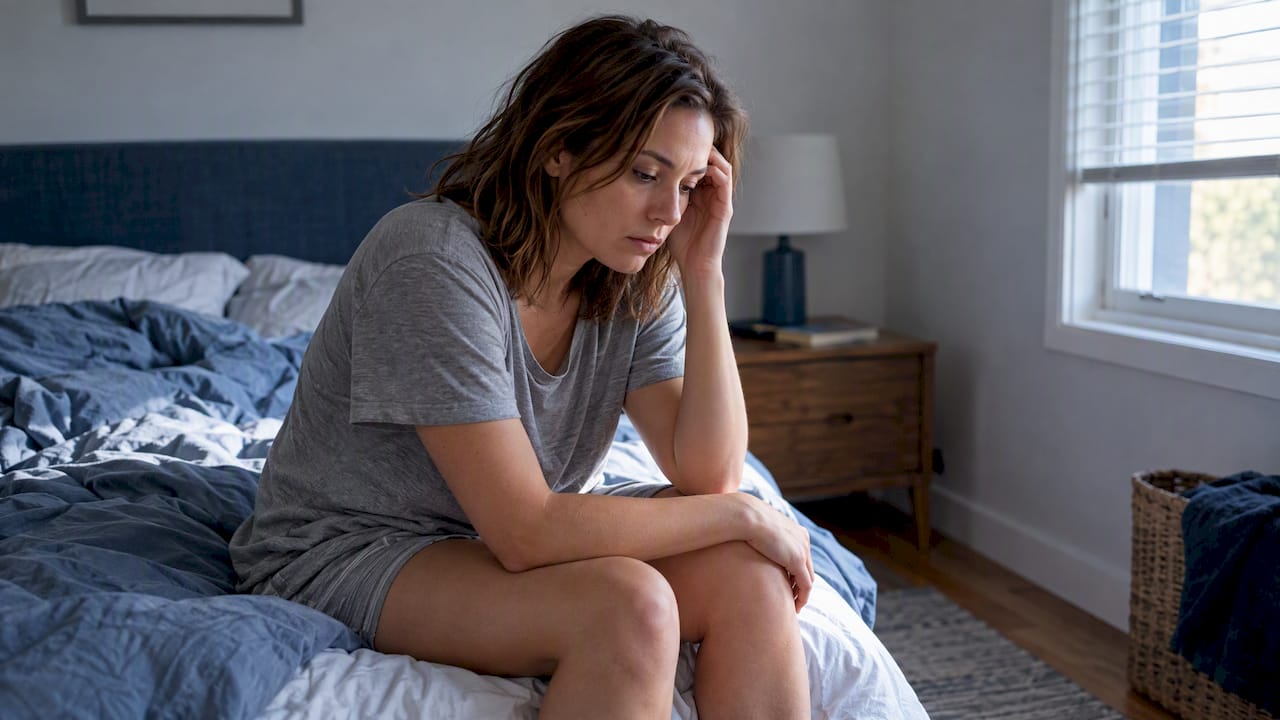
Yes, concussions commonly cause sleep problems, and early screening plus prioritized behavioral treatment improves recovery outcomes. Unless danger signs appear (trouble waking, worsening headache, repeated vomiting, seizures), let sleep happen naturally and track changes in a simple log. If sleep trouble lasts beyond two to four weeks, bring that log to your next follow-up so your provider can screen early and act fast.
TL;DR:
- Sleep disturbances after concussion are common and can persist beyond four weeks, increasing the risk of prolonged recovery if untreated.
- Early screening using logs and questionnaires helps identify high-risk sleep patterns like insomnia or circadian disruption, guiding targeted interventions.
- Behavioral treatments such as cognitive behavioral therapy for insomnia (CBT-I) are most effective when applied early, with medications and sleep aids as supplementary options.
- Persistent symptoms like difficulty falling asleep, night wakings, or sleepwalking require specialist testing and potential multidisciplinary management.
- Good sleep hygiene practices, including consistent wake times and natural light exposure, support recovery and can be initiated without professional intervention.
Sleep disturbance after a concussion is not a side issue. It is one of the clearest predictors of how long recovery will take. A prospective study using actigraphy and hormonal biomarkers found that a large majority of people with mild traumatic brain injury reported subjective sleep disturbance at the one-week mark, and nearly half were still symptomatic at three months. That gap between the early spike and the slower resolution is exactly why we encourage paying attention to sleep from day one rather than waiting to see if it passes on its own.
Poor sleep does not sit quietly in the background while the rest of the brain heals. It actively worsens headaches, irritability, anxiety, and concentration, the same symptoms most people associate with concussion itself. When sleep quality drops, pain sensitivity tends to rise, mood regulation weakens, and attention becomes harder to sustain, which makes every other recovery task feel heavier than it should.
There is a biological reason sleep carries this weight. During deep sleep, the brain clears metabolic waste, consolidates memory, and regulates the stress hormones that control arousal. A brain that is already working to repair itself after injury depends on that nightly maintenance window even more than usual. Disrupted sleep shortens or fragments that window, so the repair process has less time to do its job. Reporting sleep-related symptoms at an initial visit, such as trouble falling asleep, fatigue, or daytime drowsiness, has been linked to a higher risk of prolonged recovery in adolescent athletes, with recovery days increasing as sleep symptom severity rose.
Sleep problems after a concussion rarely look the same on day one as they do a month later. Understanding the general pattern helps you tell normal healing from something that needs attention.
The symptoms that resolve fastest are usually the acute oversleeping and the first week or two of restless nights tied directly to headache or nausea. The ones that tend to stick around and signal chronicity are ongoing difficulty falling or staying asleep, nonrestorative sleep despite adequate hours, and a growing mismatch between when someone feels sleepy and when they are actually in bed.
Clusters matter more than single symptoms. When sleep trouble shows up alongside fatigue and daytime drowsiness at the same visit, that combination has been tied to a meaningfully higher risk of delayed recovery than any one symptom alone. That is part of why we recommend tracking more than just bedtime: fatigue and grogginess during the day are just as informative as what happens at night.
Not every post-concussion sleep problem looks the same, and naming the pattern correctly is the first step toward the right fix.
Insomnia and hypersomnia often trade places over the course of recovery, so a pattern of early oversleeping followed by later insomnia is not unusual. Circadian disruption deserves its own attention because it is frequently mistaken for plain insomnia. If someone’s sleep is fine once they finally fall asleep, just badly timed, that points toward a circadian shift rather than classic insomnia, and the treatment approach differs.
OSA and parasomnias are less common but should not be dismissed. Loud snoring with gasping, or any new sleepwalking or night terrors, is worth mentioning to a provider specifically, since these patterns typically need a sleep study rather than behavioral coaching alone. Photophobia deserves mention here too: light sensitivity is widely reported after traumatic brain injury, and it disrupts sleep both by making evening wind-down uncomfortable in lit rooms and by encouraging excessive dark-room retreat that can itself destabilize circadian timing.
The mechanisms behind post-concussion sleep disruption fall into a few overlapping categories, and understanding them explains why a single fix rarely works for everyone.
Hormonal and neurochemical shifts play a central role. The same actigraphy and biomarker study that tracked sleep disturbance rates also found elevated evening orexin A levels in symptomatic patients, alongside reduced sleep efficiency and more time spent awake after initially falling asleep. Orexin is a neurochemical that promotes wakefulness, so elevated evening levels point toward a nervous system that is staying “switched on” when it should be winding down. That hyperarousal pattern, visible on objective monitoring, helps explain why some people feel physically tired but mentally wired at bedtime.
Circadian disruption compounds the problem. Altered light sensitivity changes how much and when the eyes signal the brain’s internal clock, which can shift melatonin release later than normal. When melatonin rises later, sleep onset drifts later too, even if someone is trying to go to bed at their usual time.
Structural and autonomic factors add another layer. The brain regions and pathways involved in regulating arousal, body temperature, and the sleep-wake cycle can be affected by the same forces that caused the concussion, even when imaging looks normal. This is part of why sleep problems can appear even in mild injuries with no visible structural damage.
Finally, behavioral and comorbid factors interact with all of the above. Headache pain makes it harder to fall asleep and easier to wake during the night. Mood changes, particularly anxiety and depression, both disrupt sleep and are worsened by poor sleep, creating a loop that can be hard to break without addressing both sides. Certain medications used for headache or mood, including some sedating or stimulating agents, can also shift sleep timing or quality in ways that are easy to overlook. If headaches are a major driver, it is worth reading our guidance on managing headaches after a concussion, since treating the pain often improves the sleep.
Most post-concussion sleep changes are not emergencies, but a small number of warning signs require immediate medical attention rather than a wait-and-see approach.
Any of these should prompt an emergency evaluation according to CDC guidance, which also notes that waking someone repeatedly through the night out of caution is usually unnecessary and can itself worsen sleep disruption when no danger signs are present.
Outside of emergencies, clinicians lean on a handful of validated tools to figure out what is actually going on. For athletes, the sleep cluster within the SCAT5 symptom checklist flags trouble falling asleep, fatigue, and drowsiness as a group. The Pittsburgh Sleep Quality Index (PSQI) and the Insomnia Severity Index give a more detailed picture of insomnia severity, while the Epworth Sleepiness Scale (ESS) screens for excessive daytime sleepiness that might point toward hypersomnia or undiagnosed OSA. The STOP-BANG questionnaire specifically screens for obstructive sleep apnea risk based on snoring, tiredness, observed breathing pauses, and body measurements.
Clinical guidance for primary care managers recommends combining a structured sleep log with one of these brief validated screens at the first follow-up visit, which helps triage who needs referral for cognitive behavioral therapy for insomnia (CBT-I) versus who can be monitored a bit longer. When screening suggests significant hyperarousal, suspected OSA, or parasomnias, the next step is often objective testing: actigraphy to track sleep patterns over days to weeks, or overnight polysomnography when sleep apnea or abnormal nighttime behavior is suspected.
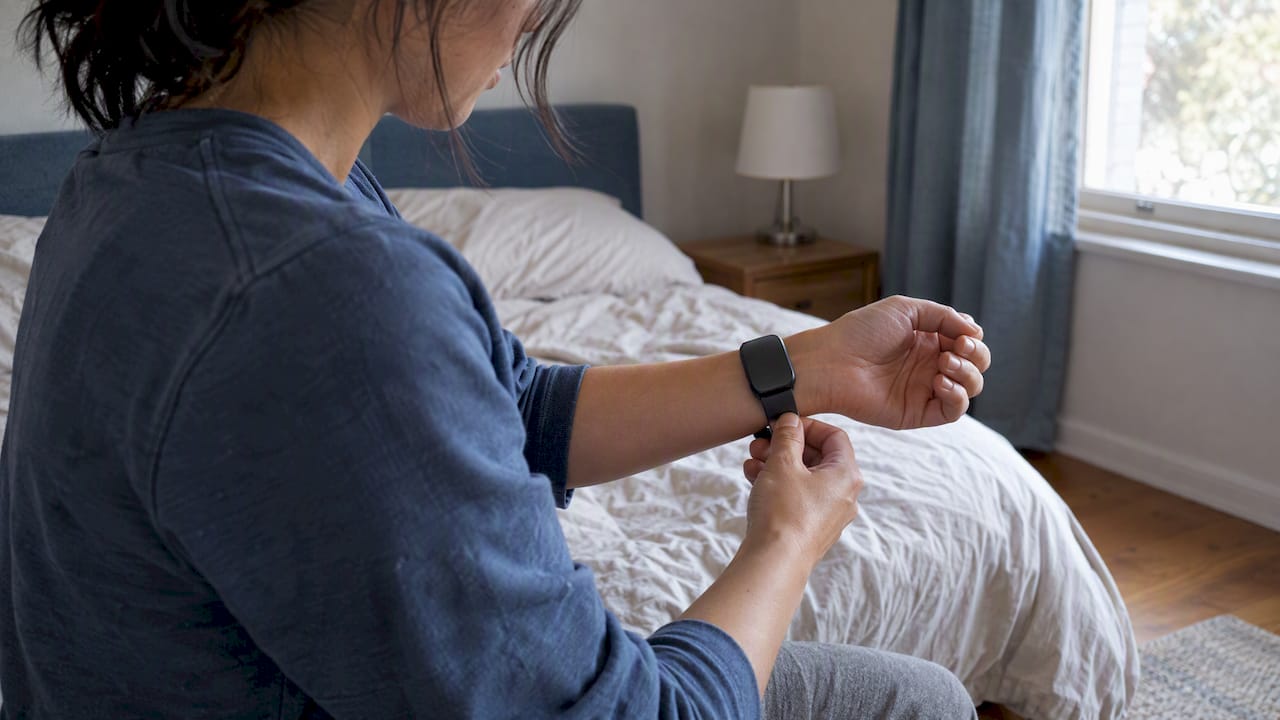
Treating post-concussion sleep problems works best when it follows a clear hierarchy rather than throwing every option at the problem at once.
Cognitive behavioral therapy for insomnia (CBT-I), or its brief version (BBT-I), is the first-line treatment for persistent insomnia after concussion, according to clinical practice guidance, which recommends it over sleep medication and notes that sleep hygiene advice alone is not enough as a stand-alone treatment. CBT-I works through a few concrete mechanisms: sleep restriction temporarily limits time in bed to match actual sleep ability, which rebuilds sleep drive and reduces fragmented nights; stimulus control retrains the brain to associate the bed with sleep rather than wakeful frustration; and cognitive restructuring addresses the anxious thoughts about sleep itself that often keep the nervous system activated at bedtime.
Pro Tip: Keep a two-week sleep log before your next appointment: bedtime, wake time, naps, and a simple 0-to-10 symptom rating each morning gives your provider enough data to triage treatment without guesswork.
Graded return to normal activity, including light and carefully progressed exercise, also supports sleep normalization rather than working against it. Our guide on safe exercise after a head injury walks through how to pace that return without provoking symptoms.
You do not need a sleep lab to start making real progress. A few consistent habits, applied over several weeks, do most of the heavy lifting.
Pro Tip: A sleep log does not need to be complicated. Four columns, bedtime, wake time, number and length of naps, and a same-day symptom severity rating, kept for two to three weeks gives a clinician enough pattern data to make a real recommendation instead of a generic one.
For light sensitivity specifically, graded exposure tends to work better long-term than constant indoor sunglasses or blackout conditions, a point echoed in patient guidance on sleep and vestibular symptoms, which overlaps meaningfully with concussion-related light and balance disruption. Our piece on why cognitive rest matters after a concussion covers how to balance rest with gradual re-engagement, a balance that applies directly to sleep recovery too.
Self-management and primary care follow-up cover most cases, but certain situations call for a referral to sleep medicine or a multidisciplinary concussion program.
Persistence beyond two to four weeks despite consistent sleep habits is the clearest trigger. Severe hypersomnia that interferes with daily function, snoring with witnessed breathing pauses suggestive of OSA, new or worsening parasomnias, and mood symptoms significant enough to need their own treatment all warrant a referral rather than continued watchful waiting.
A specialist evaluation typically starts with overnight polysomnography when OSA or abnormal nighttime behavior is suspected, or actigraphy worn over one to two weeks when the question is more about circadian timing or sleep continuity. Formal CBT-I programs, delivered by a trained therapist over several sessions, are the standard next step for insomnia that has not responded to basic sleep hygiene changes. When cognitive symptoms are prominent alongside sleep trouble, neuropsychological testing can help clarify how much each is contributing to the other.
An integrated, multidisciplinary approach matters here because sleep, headache, mood, and cognition rarely improve in isolation after a concussion. Coordinated follow-up, where one team is tracking all of these threads together, tends to catch interactions that a single-symptom approach would miss, such as a headache medication that is quietly worsening insomnia.
A well-run concussion care pathway usually starts with a thorough intake: a detailed history, a validated sleep screen like the PSQI or ESS, and a conversation about headache, mood, and cognitive symptoms alongside sleep. From there, behavioral sleep therapy referral remains the backbone of treatment for persistent insomnia, with other therapies layered in where they are clinically indicated rather than offered as a blanket solution.
A layered approach can include neurofeedback, hyperbaric oxygen therapy, and photobiomodulation (low-level laser therapy) alongside chiropractic care and functional medicine, depending on what someone’s evaluation shows. These are offered as adjuncts within a broader recovery plan, not replacements for behavioral sleep treatment when insomnia is the primary issue.
If you are preparing for an appointment anywhere, bring your sleep log, a list of current medications, and a plain description of which symptoms (headache, mood, concentration, light sensitivity) tend to flare alongside bad nights. That context helps any provider build a plan around your actual pattern rather than a generic concussion checklist. Our concussion recovery checklist for adults is a useful companion document to bring along as well.
Here is what I want you to sit with: most post-concussion sleep problems get better, and the people who improve fastest are usually the ones who started tracking and talking about their sleep early rather than waiting to see if it resolved on its own. The data backs this up. Early sleep screening predicts outcomes, and behavioral treatment works when insomnia sticks around.
What I would push back on is the instinct to retreat into total darkness and silence for weeks at a time. That approach feels protective, but it often delays the circadian recalibration your brain needs. Gradual light exposure, a steady wake time, and honest symptom tracking do more for sleep recovery than isolation ever will.
If your sleep has not shifted in four weeks, that is not a personal failure. It is a signal to bring your data to someone who can act on it.
— Chad
This article is general information, not a substitute for advice from a qualified doctor. Consult a qualified healthcare professional about your own circumstances before acting on anything here.
A concussion is typically diagnosed through clinical evaluation soon after the injury, based on symptoms, history, and a physical exam, since imaging often appears normal in mild cases. If symptoms persist or new ones emerge over the following days to weeks, ongoing evaluation helps distinguish a straightforward concussion from a more complicated recovery.
Energy typically returns through a combination of graded, symptom-limited return to activity, consistent sleep timing, and addressing any underlying sleep disturbance, since unresolved insomnia or hypersomnia is a major driver of persistent fatigue. Our guide on safe exercise after a head injury outlines how to pace that return without triggering a symptom flare.
There is no single standardized vitamin protocol with strong evidence specific to concussion recovery, and definitions of what to take vary widely across sources. A functional medicine evaluation can assess individual nutrient status and overall health factors that may be contributing to slow recovery, which is a more targeted approach than a generic supplement list.
The best approach for a mild concussion combines brief initial rest, a graded return to normal activity and cognitive load as symptoms allow, and targeted treatment of specific symptoms like sleep disturbance, headache, or mood changes as they arise. CDC guidance emphasizes monitoring for danger signs rather than prolonged, strict rest, since gradual re-engagement tends to support recovery better than extended isolation.