Cognitive Decline Treatment in Meridian: 2026 Guide
July 21, 2026


Effective cognitive decline treatment in Meridian starts with one principle: understand the brain before treating it. Local clinics offering this care combine advanced brain assessments with non-invasive therapies to build a plan specific to you, not a generic protocol.
Here is what a complete local approach covers:
The diagnostic process here is thorough and patient-centered, not a single test and a referral. qEEG brain mapping records electrical activity across the brain, pinpointing regions with reduced performance and establishing a measurable baseline for focus, connectivity, and processing speed.

Beyond brain mapping, clinicians use biomarker tools including amyloid and tau assays, APOE genotyping, and PET imaging to separate age-related changes from pathological decline, as outlined in Dr. Gary W. Small’s clinical framework. Ruling out reversible causes, including thyroid problems, depression, and nutritional gaps, is a critical early step. These conditions are frequently mistaken for early Alzheimer’s disease.
Pro Tip: Ask your provider specifically whether reversible causes have been screened before accepting any diagnosis of cognitive impairment. A missed thyroid issue or B12 deficiency can look identical to early dementia on a standard exam.
Patients often feel anxious after testing. Dr. Small emphasizes that clear communication and a concrete, modifiable action plan following biomarker disclosure are as important as the test results themselves.
Drug-free treatment options in Meridian address root causes rather than masking symptoms. Three therapies anchor most personalized plans:
These integrated brain health therapies are combined into a single, coordinated plan rather than offered as isolated treatments.
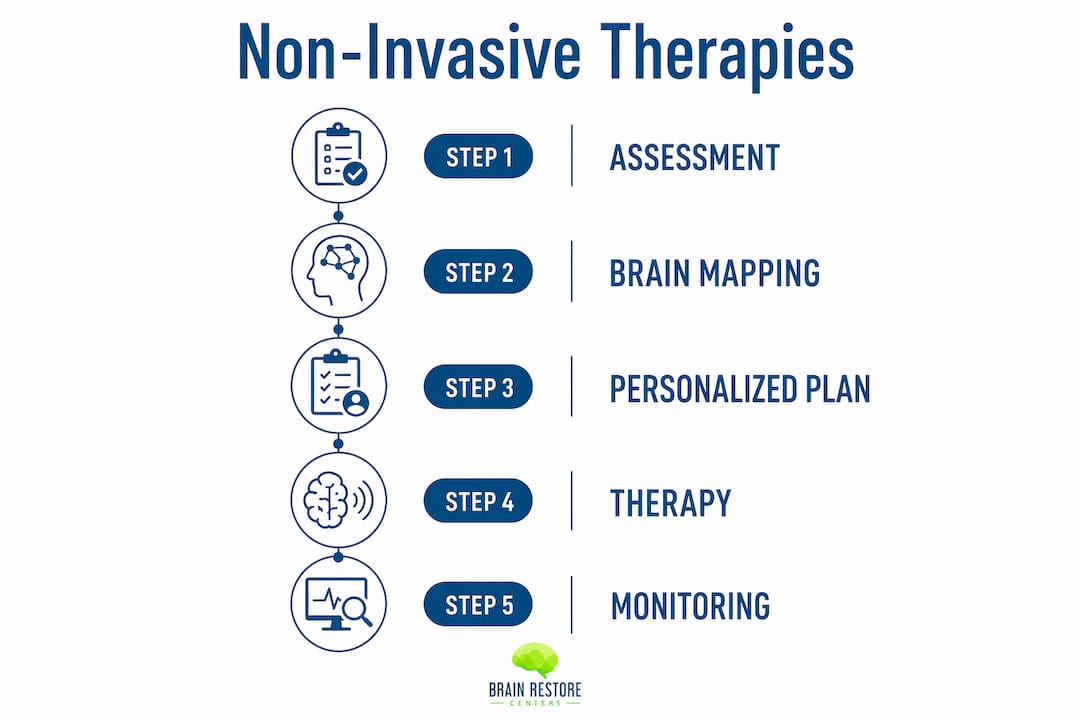
Choosing a provider comes down to four concrete criteria. First, look for diagnostic depth: a clinic that uses qEEG mapping and biomarker screening gives you objective data, not guesswork. Second, confirm the approach is personalized. Generic programs rarely produce lasting results. Third, ask whether the clinic tracks progress objectively. Repeat brain mapping lets you see real changes in connectivity and focus, not just feel them. Fourth, consider practical factors: initial consultation availability, caregiver support services, and whether the clinic can help you navigate insurance coverage and cost options.
Brainrestoremeridian brings together all four criteria, offering a brain restoration center in Meridian built around your specific diagnostic profile and long-term cognitive goals.
Effective cognitive decline treatment in Meridian requires objective diagnostics, non-invasive therapies, and a personalized plan built from your own brain data.
| Point | Details |
|---|---|
| Start with diagnostics | qEEG brain mapping and biomarker testing establish an objective baseline before any treatment begins. |
| Rule out reversible causes | Thyroid issues, depression, and nutritional deficiencies must be screened and addressed first. |
| Use non-invasive therapies | Neurofeedback, photobiomodulation, and functional medicine target root causes without drugs or surgery. |
| Track progress objectively | Repeat qEEG mapping measures real changes in focus and brain connectivity over the course of treatment. |
| Choose a personalized clinic | A Brain Restoration Roadmap built from your own data produces more lasting results than a generic program. |