Class IV Laser Therapy: How Treatment Parameters Affect Care
September 3, 2026

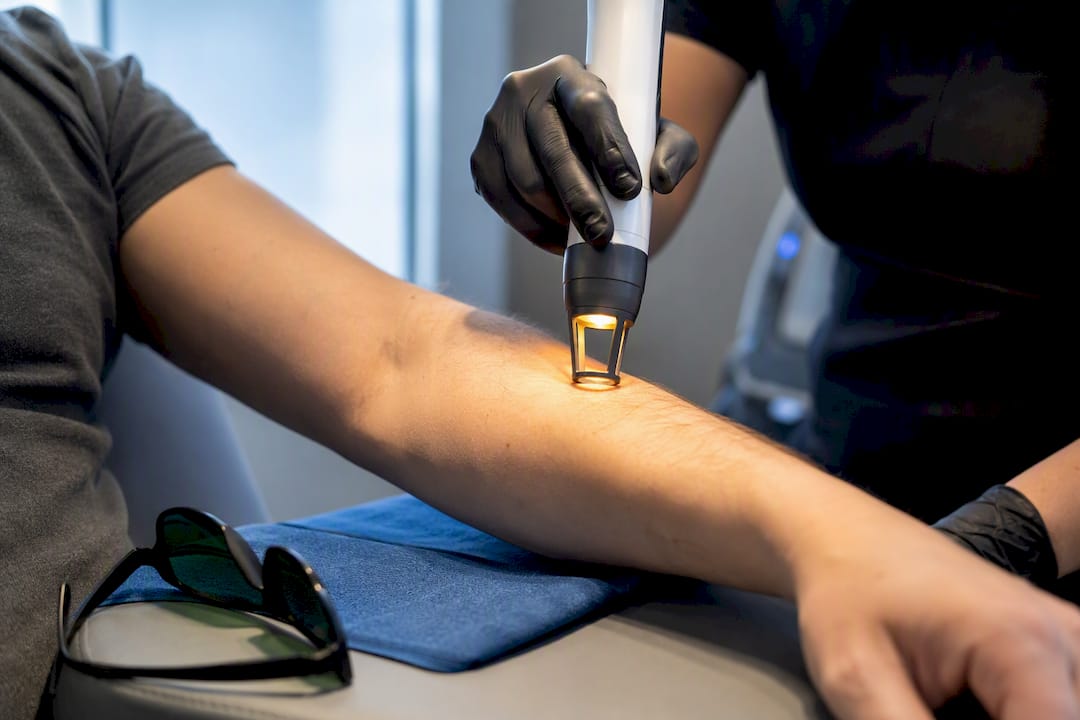
Class IV laser therapy uses medical lasers above 500 milliwatts to reach deeper tissue than older cold lasers can. Clinics use it for musculoskeletal pain, tendon injuries, and post-surgical recovery, and the evidence shows real but parameter-dependent benefits. What follows covers the mechanisms, the honest state of the research, safety controls, and what a session actually costs.
TL;DR:
- Treatment efficacy varies by condition, with the strongest evidence supporting knee osteoarthritis, tendinopathy, and plantar fasciitis; long-term data remains limited.
- Proper dosing, including wavelength, energy density, and pulse architecture, is critical for benefits, regardless of the device’s classification as Class IV.
- Safety protocols must be strictly followed, with clinics requiring trained operators, protective eyewear, and adherence to laser safety standards.
- Insurance coverage is inconsistent, with many plans classifying high-power laser therapy as investigational, leading to potentially high out-of-pocket costs.
- Laser therapy works best when combined with active rehabilitation rather than used as a standalone treatment.
Class IV laser therapy refers to any therapeutic laser device that outputs more than 500 milliwatts of power, a threshold set by international laser safety classification. Class III (or Class IIIb) devices, often called cold lasers or low-level laser therapy (LLLT), sit below that line and deliver less energy per second. That difference in output changes everything about how a treatment feels and what it can reach.
According to Physio-Pedia’s overview of high power laser therapy, Class IV devices generate measurable surface heating, while cold lasers generally do not. Clinicians pick wavelengths and settings based on how deep the target tissue sits.
Key distinctions worth knowing:
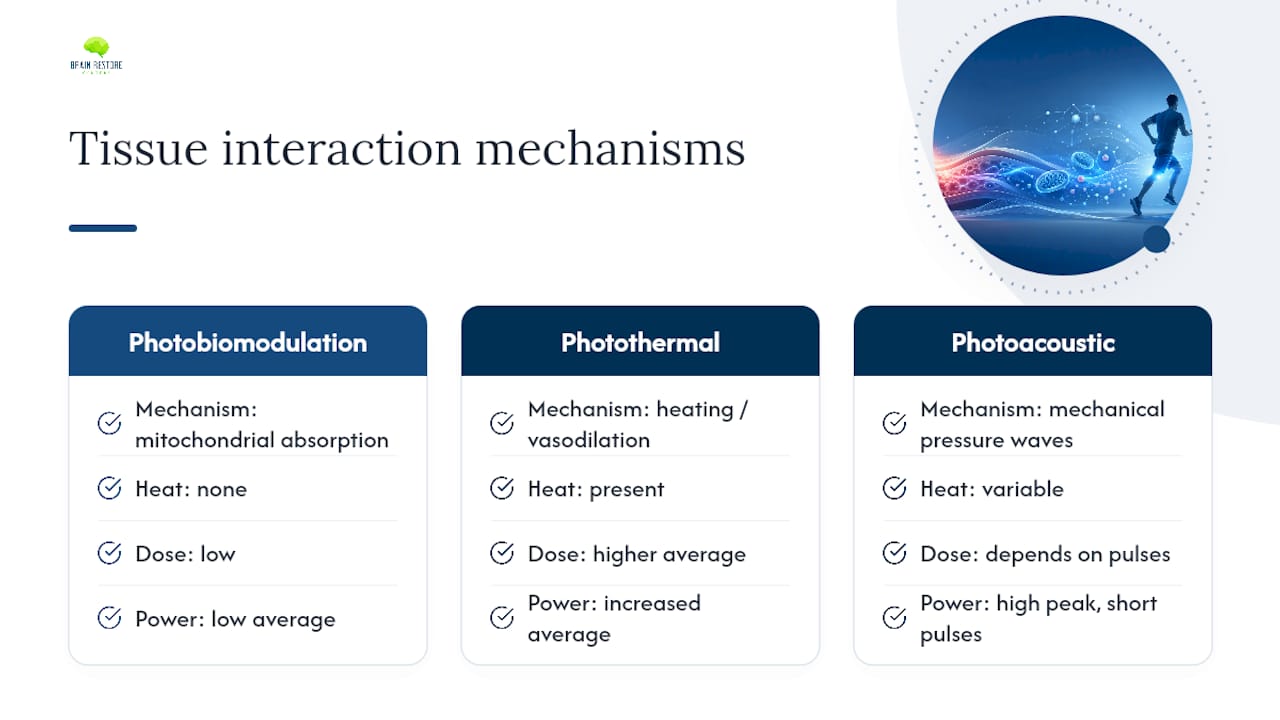
Three distinct mechanisms are usually described. Understanding which one a device is producing matters more than its class label alone.
Photobiomodulation works at the cellular level. Light absorbed by mitochondria appears to boost ATP production and calm inflammatory signaling, an effect ASLMS describes in its public overview of photobiomodulation. This mechanism does not require heat and operates at relatively low doses.
Photothermal effects show up as average power climbs. A controlled study found that a 3 watt dose measurably increased forearm blood flow compared with sham treatment, a finding that supports the idea that Class IV heating drives circulation changes tied to pain relief and tissue repair. More blood flow to an injured area generally means faster clearance of inflammatory byproducts.
Photoacoustic effects are a newer distinction. A 2025 mechanism review argues that average power alone can’t classify a laser’s true effect. What matters is pulse architecture: peak power, pulse duration, and duty cycle determine whether a device produces genuine mechanical pressure waves in tissue, the hallmark of true high-intensity laser therapy, versus simple surface heating.
Before booking treatment, ask a clinic about wavelength, energy density in joules per square centimeter, and whether the device runs continuous or pulsed output. Those three numbers say more about what you’ll experience than the word “Class IV” ever will.
The short answer: yes, with real caveats. A 2020 systematic review found that most included trials reported positive effects of high-intensity laser therapy on musculoskeletal pain, though the authors flagged heterogeneity and inconsistent dosing as limits on certainty. Notably, combining laser treatment with other interventions like exercise or manual therapy tended to produce better results than laser alone.
A more recent meta-analysis sharpened that picture. It found clinically meaningful improvements in pain and function compared with sham treatment across several musculoskeletal conditions, though results varied by dose and body region.
Reported reductions reached roughly 1.9 centimeters on a standard pain scale versus control, alongside large improvements in functional scores for some conditions, according to the 2023 meta-analysis of high-intensity laser therapy trials.
That’s a substantial signal, but the same paper warned that dosing heterogeneity, meaning wildly different devices and protocols across studies, weakens confidence in any single “correct” treatment recipe. Two other gaps worth knowing:
Evidence strength varies by condition, and setting expectations correctly matters more than most patients realize.
Across nearly all of these, laser therapy performs better as part of a plan than as a stand-alone fix. Patients who add rehab and active exercise alongside sessions tend to report longer-lasting improvements in range of motion than those relying on laser treatment by itself. Most courses run multiple visits before a clinician reassesses progress.
A typical session runs five to fifteen minutes per treatment area, depending on the device and the size of the target tissue. Most patients feel gentle warmth, sometimes a mild tingling, but nothing close to pain. A full course often spans six to twelve visits scheduled once or twice weekly.
Effects tend to split into two categories: immediate (reduced stiffness, a warm, loosened feeling right after treatment) and delayed (cumulative pain reduction that builds over several sessions as tissue-level changes accrue).
Pro Tip: Ask your provider to write down the exact wavelength, power, and joules per square centimeter used at each visit. That record lets you or a future clinician judge whether a treatment course actually matched your condition, rather than guessing after the fact.
Contraindications matter here, and a responsible clinic will screen for them before ever turning the device on:
Operator training is not a formality. A trained provider adjusts settings by tissue depth and condition rather than running one generic protocol on every patient.
Class IV devices carry genuine hazards: eye injury from direct or reflected beams, skin burns from excess dose, and fire risk around flammable materials in the treatment room. These aren’t theoretical concerns, they’re why the class exists as a distinct safety category in the first place.
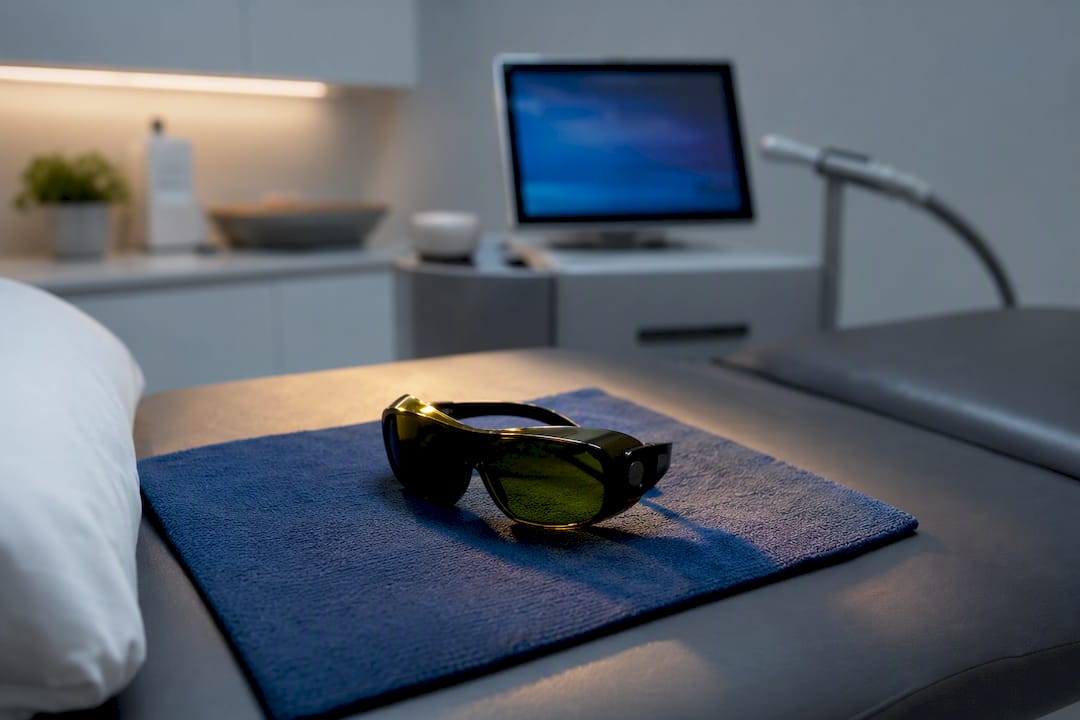
The Laser Institute of America’s hazard classification guidance outlines the engineering and administrative controls Class 4 devices require, informed by the ANSI Z136 series of laser safety standards. Reputable clinics maintain a designated laser control area, written standard operating procedures, and protective eyewear rated for the specific wavelength in use.
Owning a Class IV laser is itself regulated. Clinical use of the device also falls under each provider’s professional scope of practice, separate from the safety classification itself.
Before starting treatment, ask a clinic:
Out-of-pocket prices for Class IV sessions commonly run higher than cold laser treatment, which often falls in the $50 to $150 range per session, since Class IV equipment and per-visit energy delivery cost more to provide. Exact pricing depends on the device, the clinic’s region, and whether you buy a package of sessions versus paying visit by visit.
Insurance coverage is inconsistent. Major payers, including Aetna’s clinical policy on laser therapies, list high-power laser therapy as investigational for many indications, meaning routine coverage often isn’t available. Some worker’s compensation cases or specific plans cover it. Before starting a course, ask the clinic for the exact billing codes they’ll submit, the expected number of sessions, and whether any refund or guarantee policy applies if results don’t materialize.
We reach for Class IV laser therapy most often as an adjunct, not a stand-alone fix. It earns its place in a treatment plan when a patient has a clear musculoskeletal target, tendon pain, joint stiffness, post-surgical swelling, and when it’s paired with active rehab rather than used passively.
Correct parameters matter more than the marketing term on the machine. A device run at the wrong wavelength or dose for the tissue depth involved won’t deliver the photothermal or photobiomodulation effects the research actually supports. If you’re weighing this treatment for your own pain, talk through your specific case, and your specific tissue, with a clinician before committing to a course.
— Chad
Most Class IV laser providers hand you a single treatment and send you on your way. Brainrestoremeridian built its laser therapy service inside a broader recovery plan, so a session that reduces knee or shoulder pain today connects directly to progressive rehab, chiropractic care, and, when relevant, neurofeedback or hyperbaric oxygen therapy for patients dealing with more complex recovery needs.
That combination matters because the evidence above is clear on one point: laser therapy performs best paired with active treatment, not delivered in isolation. Brainrestoremeridian’s providers document wavelength, dose, and session count for every patient, the same specifics this article encourages you to ask about at any clinic. If joint pain, a tendon injury, or post-surgical stiffness has you researching options, schedule a laser therapy consultation at the Meridian, Idaho clinic to find out whether Class IV treatment fits your recovery plan.
This article is general information, not a substitute for advice from a qualified doctor. Consult a qualified healthcare professional about your own circumstances before acting on anything here.
Questions about your next step?
Our Meridian team can help you understand the evaluation process and which care options may fit your needs.
Schedule a ConsultationPrefer to speak with our team? Call 208-639-1397