Balance Disorder Treatment in Meridian: Your Recovery Guide
July 24, 2026

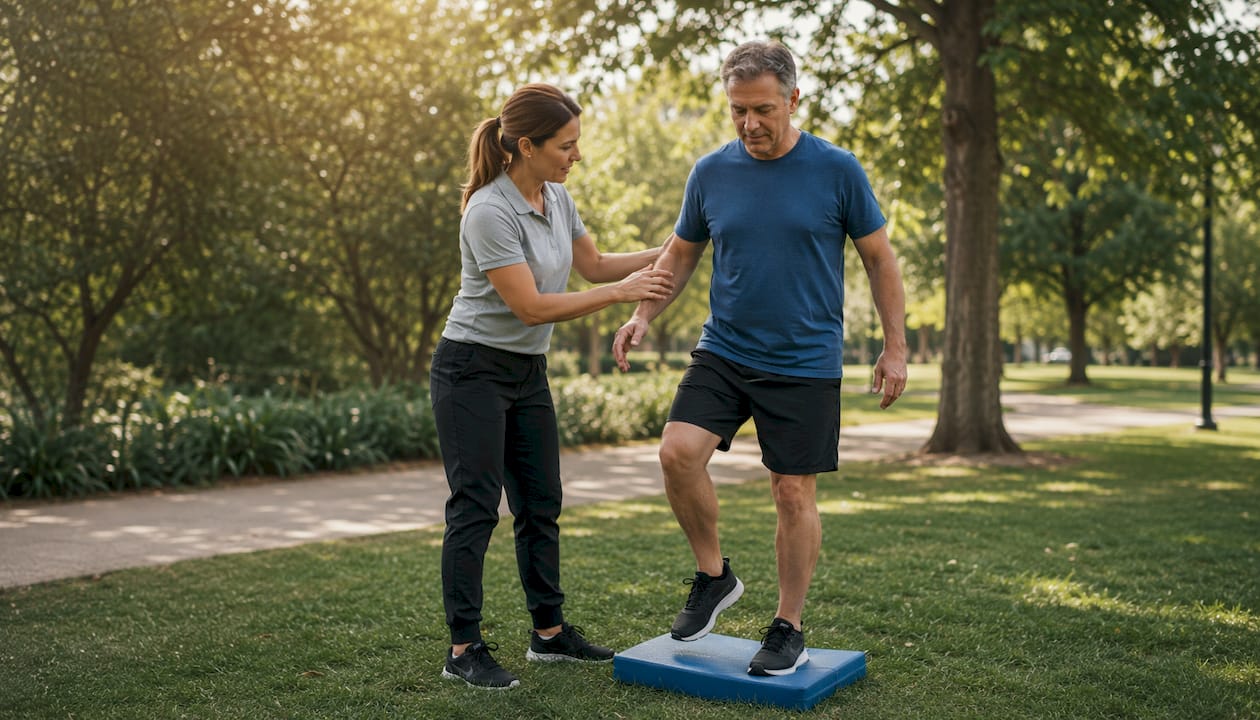
Vestibular rehabilitation is the most effective balance disorder treatment available in Meridian, with success rates as high as 90% in appropriate candidates. The core idea is straightforward: your brain learns to use vision, proprioception, and inner ear signals together to keep you steady. When one of those signals breaks down, the brain needs to be retrained, not just rested.
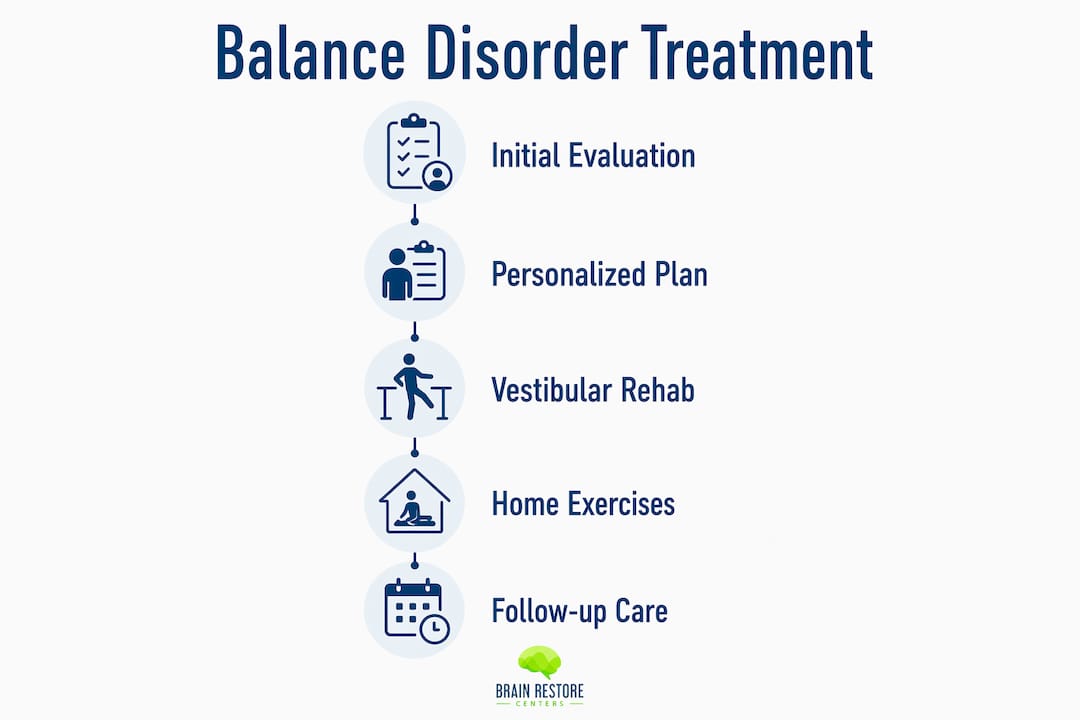
Here is what effective treatment typically includes:
Pro Tip: Sticking to your home exercise program is not optional. Patient compliance with daily exercises is the single most critical factor for brain re-adaptation and lasting symptom relief.
Your first appointment focuses entirely on evaluation. A physical therapist will assess your gait, posture, vestibular function, and full medical history, including current medications, which help differentiate vestibular causes from other balance impairments. That detail shapes everything that follows.
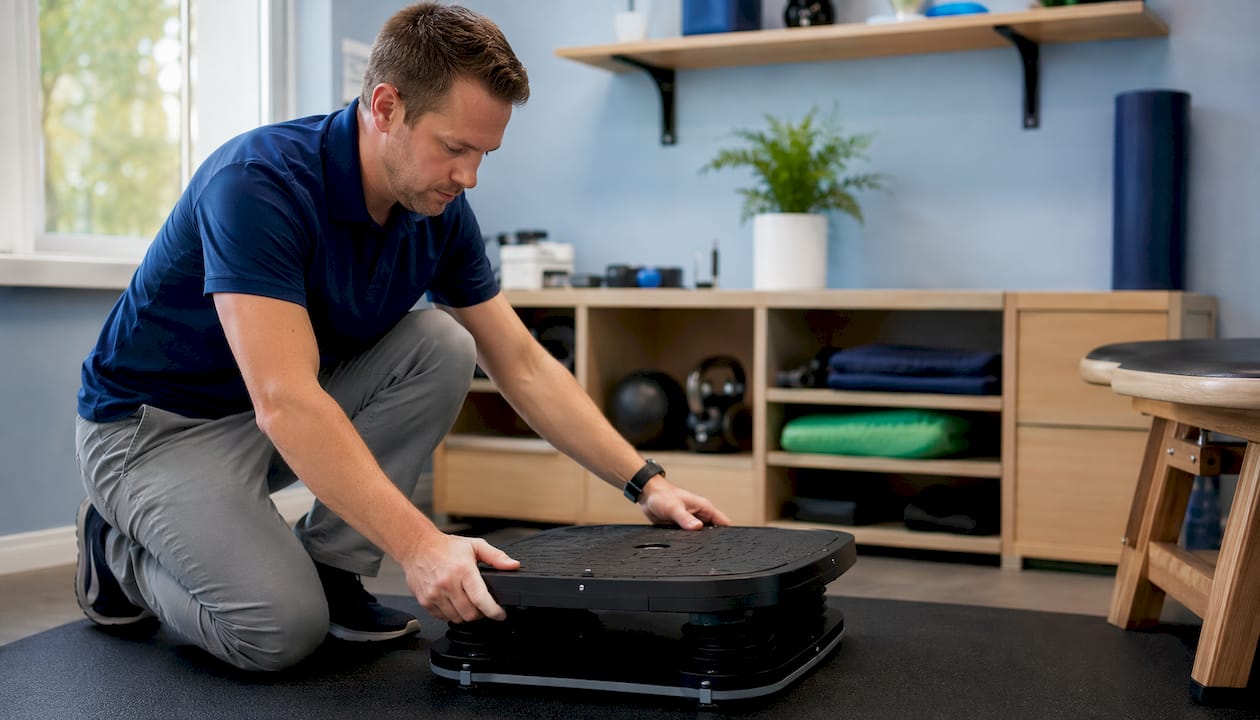
From there, your program is built around sensory retraining and targeted strength work. Sessions run 2–3 times weekly early on, then taper as your brain adapts. Recovery speed depends on how long you have had symptoms, your age, and your baseline activity level.
A typical progression looks like this:
Modern Meridian clinics also incorporate neurofeedback and brain health therapies alongside traditional vestibular rehab for patients with neurological complexity.
Balance depends on three systems working together: your inner ear, your vision, and your proprioceptive sense (the body’s awareness of its own position). When any one of these fails, your brain receives conflicting signals and interprets that mismatch as dizziness or instability.
Common causes include inner ear dysfunction such as benign paroxysmal positional vertigo (BPPV), vestibular neuritis, labyrinthitis, Parkinson’s disease, multiple sclerosis, post-concussion syndrome, and musculoskeletal imbalances. Older adults face compounded risk because age-related changes affect all three systems simultaneously. Neck-related dizziness is also more common than most patients expect.
The clinic you choose should offer a thorough initial evaluation, not just a symptom checklist. Look for licensed physical therapists with specific vestibular training, individualized treatment plans, and clear communication with your referring physician.
Clinics that also offer functional medicine or neurological therapies alongside vestibular rehab are worth considering if your symptoms involve cognitive fog, post-concussion effects, or chronic dizziness that has not responded to standard care. Ask whether the clinic tracks your progress with objective measures, not just self-reported symptom scores.
Before any exercises are prescribed, your therapist needs a clear picture of what is actually driving your imbalance. Standard evaluations include:
Proprioception testing is often included as well, since foot and ankle sensory feedback plays a larger role in stability than most patients realize.
Vestibular rehabilitation carries very low risk. The most common side effect is temporary dizziness during or after exercises, which is actually a sign the therapy is working. Your brain is being challenged to adapt, and mild discomfort during that process is normal and expected.
Outcomes are genuinely encouraging. Most patients see meaningful improvement in stability, reduced dizziness, and greater confidence in daily movement. Recovery timelines vary, but patients who follow their home programs consistently tend to progress faster. For complex neurological cases, adding therapies like neurofeedback can support brain re-adaptation beyond what physical exercises alone achieve.
Recovery does not happen only inside the clinic. Meridian patients have access to community balance programs through hospitals and senior centers, which provide ongoing exercise support after formal therapy ends. Your physical therapist can also recommend fall prevention strategies tailored to your home environment, including grab bars, improved lighting, and medication reviews to reduce dizziness risk.
Patient education is built into good vestibular care. Understanding why your brain is producing these symptoms, and what each exercise is doing to correct it, makes you a far more engaged and effective participant in your own recovery. Clinics that invest time in explaining the “why” behind each technique consistently see better patient outcomes.
For Meridian patients whose balance problems have a neurological layer, standard physical therapy alone may not be enough. Brainrestoremeridian combines vestibular and physical rehabilitation with neurofeedback, photobiomodulation, laser therapy for neurological stress, hyperbaric oxygen therapy, and functional medicine under one roof. That matters when your dizziness is tied to post-concussion recovery, neurodegenerative conditions, or chronic symptoms that have not responded to conventional care.
The clinic’s approach starts with identifying the root cause, not just the symptom, and builds a personalized plan from there. If you are ready to move beyond symptom management and address what is actually driving your instability, schedule a consultation with Brainrestoremeridian at brainrestoremeridian.com to find out which therapies fit your specific situation.
Vestibular rehabilitation, combined with consistent home exercise and personalized clinical care, gives Meridian patients the strongest path to lasting balance recovery.
| Point | Details |
|---|---|
| Success rates are high | Vestibular rehabilitation achieves success rates for treating balance disorders and vertigo as high as 90% in appropriate candidates. |
| Session frequency matters early | Starting with multiple sessions per week helps build the exercise foundation your brain needs to adapt. |
| Home compliance drives recovery | Daily home exercises are the most critical factor for brain re-adaptation and symptom reduction. |
| Diagnosis shapes everything | A thorough evaluation covering history, medications, gaze, and posture determines the right treatment path. |
| Brainrestoremeridian goes further | For neurologically complex cases, Brainrestoremeridian adds neurofeedback, laser therapy, and functional medicine to standard vestibular rehab. |