Frontotemporal Dementia: What It Is and What Comes Next
August 22, 2026

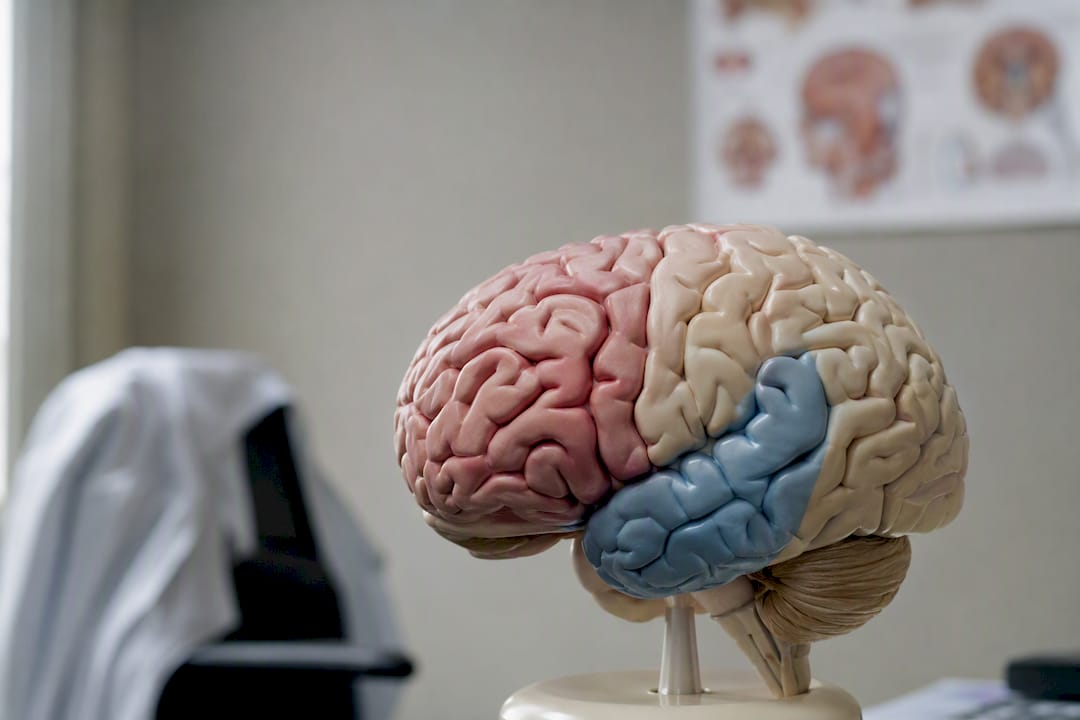
Frontotemporal dementia (FTD) is a group of progressive brain diseases that damage the frontal and temporal lobes, gradually changing a person’s personality, behavior, language, or movement. It’s one of the more misunderstood forms of dementia, largely because it shows up earlier in life than most people expect. About 60% of people with FTD are diagnosed between ages 45 and 64, and the condition accounts for roughly 10% to 20% of all dementia cases. There’s no FDA-approved treatment that slows or reverses FTD yet, and how the disease unfolds varies enormously from one person to the next. If you’re here because you noticed changes in someone you love, or in yourself, you’re taking the right first step by learning what you’re dealing with.
Frontotemporal dementia is a progressive, early-onset brain disease with no approved cure, so early diagnosis and multidisciplinary planning determine quality of life more than any single treatment does.
| Point | Details |
|---|---|
| Early onset is the hallmark | Most cases appear between ages 45 and 64, often mistaken for depression or midlife stress. |
| Behavior often changes first | Personality and social conduct shift before memory does, and patients rarely notice it themselves. |
| No approved disease-modifying drug exists | Care centers on non-drug strategies, off-label medications, and caregiver support. |
| Diagnosis requires a team | MRI, neuropsychological testing, and genetic testing together confirm what a single exam cannot. |
| Brainrestoremeridian offers coordinated evaluation | The Meridian, Idaho clinic combines neurofeedback and functional medicine assessment for a personalized, non-promissory next step. |
Your frontal lobes govern judgment, impulse control, planning, and social behavior. Your temporal lobes handle language and, in part, emotional regulation. FTD attacks these regions specifically, which is why the early signs look so different from typical memory loss. A person with FTD might still remember what they had for breakfast while struggling to find the right word or acting out of character in ways that alarm their family.
This distinction matters for several reasons:
Compare that to Alzheimer’s disease, which typically appears after age 65 and centers on memory loss first. FTD flips that script: personality and language often change years before memory does.
FTD isn’t one disease. It’s an umbrella term covering several distinct clinical patterns, and knowing which one you’re looking at helps guide both diagnosis and day-to-day management.

Behavioral variant FTD (bvFTD) is the most common form. It shows up first as personality change rather than confusion. Someone who was reserved might become impulsive or say inappropriate things in public. Others lose motivation entirely, sitting for hours without initiating anything. Compulsive behaviors, like eating the same food repeatedly or hoarding objects, are also common.
Early bvFTD signs:
Later bvFTD signs:
Language variants, grouped under primary progressive aphasia, attack communication instead of behavior. In the semantic variant, people lose the meaning of words. In the nonfluent/agrammatic variant, speech becomes halting and effortful, even though the person still knows what they want to say.
Early language signs:
Later language signs:
Movement-related syndromes overlap with FTD in a smaller number of cases, including corticobasal syndrome, progressive supranuclear palsy, and, occasionally, motor neuron disease. These bring stiffness, balance problems, and coordination difficulty, sometimes alongside behavioral or language symptoms.
Pro Tip: Families almost always notice behavioral changes before the patient does. FTD damages the very brain regions responsible for self-monitoring, so the person experiencing it often has no idea anything is wrong. If your instinct says “something is off” about a loved one’s personality, trust it enough to get it evaluated.
FTD develops when neurons in the frontal and temporal lobes die off, causing the tissue to shrink, a process called lobar atrophy. What triggers that neuron loss comes down to abnormal proteins building up inside brain cells.
Researchers most often find:
Genetics plays a real, if partial, role. An estimated 10% to 30% of FTD cases run in families, tied to identifiable gene mutations. When a patient has a strong family history of dementia, unexplained psychiatric illness, or ALS, genetic testing becomes a meaningful part of the workup rather than an afterthought. It won’t change the diagnosis itself, but it can inform family planning and, in some cases, eligibility for clinical trials.
There’s no single test that confirms FTD. Diagnosis comes from piecing together several sources of evidence, which is exactly why a specialist evaluation matters so much.
A thorough workup typically includes:
Here’s what usually happens once you’re in front of a specialist:
FTD is frequently misdiagnosed at first as depression, bipolar disorder, or a midlife crisis, since personality change resembles psychiatric illness more than it resembles classic dementia. That overlap is one of the biggest reasons diagnosis gets delayed, sometimes by years.
FTD progresses, and it does so unevenly. Some people decline rapidly and live less than two years after diagnosis. Others live more than a decade, depending on the subtype, age at onset, and whether motor neuron disease is also present.
That range makes planning early, rather than waiting for certainty, the wiser move. Priorities worth addressing as soon as possible include:
Prognosis tends to track with a few identifiable factors: younger age at onset generally means a longer disease course, certain subtypes progress faster than others, and the presence of motor neuron disease typically shortens survival.
No FDA-approved disease-modifying treatment exists for FTD. Every medication currently used is prescribed off-label, and management leans heavily on a coordinated, non-drug approach rather than a pill that fixes the underlying disease.
Effective management usually blends several disciplines at once:
Caution: Some medications used for Alzheimer’s, including acetylcholinesterase inhibitors and memantine, can actually worsen behavioral symptoms in FTD. This isn’t a one-size-fits-all disease, and a drug that helps one type of dementia can backfire in another.
Pro Tip: Bring in occupational therapy and caregiver support services early, even before a crisis hits. Families who build a care team before symptoms escalate report far less scrambling later, and it gives the patient a voice in decisions while they can still weigh in.
For structured, non-drug support strategies, Brainrestoremeridian’s guide to cognitive dysfunction treatment walks through behavioral and environmental approaches that overlap meaningfully with FTD care.
Research into FTD is active, focused on understanding tau and TDP-43 pathology, refining genetic testing, and testing symptomatic therapies, but no disease-modifying drug has cleared FDA approval yet.
If you or a family member want to explore trial participation, start with:
| Consideration | What to Know |
|---|---|
| Eligibility | Varies by subtype, genetic status, and disease stage |
| Travel | Many trials are centered at academic hospitals, requiring repeat visits |
| Next step | Ask your neurologist directly whether any open trials match your case |
If you’re noticing personality changes, language struggles, or coordination problems in someone in their 40s or 50s, that’s reason enough to schedule a neurology evaluation rather than waiting to see if it passes.
Before your first appointment, gather:
What to expect on the timeline:
Pro Tip: Clinics that coordinate neuropsychology, speech therapy, and genetics under one roof tend to reach a diagnosis faster than piecing together separate specialists on your own. Ask upfront whether the practice offers multidisciplinary evaluation.
We’ve seen how disorienting an FTD diagnosis feels for families still raising kids or working full time. What helps most isn’t a single treatment. It’s a coordinated team addressing behavior, communication, and safety together. The realistic goal of care is protecting quality of life and daily function, not chasing a cure that doesn’t yet exist.
Brainrestoremeridian offers something most patients can’t get from a single neurologist visit: a coordinated evaluation that looks at brain function from multiple angles under one roof, without months of separate referrals. If you’re in the Meridian, Idaho area and want a clearer picture of what’s driving cognitive or behavioral changes, our team combines qEEG brain mapping, neurofeedback, and functional medicine assessment to build a personalized picture of what’s happening and what supportive care might help.
This isn’t a promise of a cure, and no legitimate clinic should offer one for FTD. What we can offer is a thorough, individualized look at your neurological health and a realistic plan for symptom management and quality of life. Your information stays private, and every recommendation is built around your specific situation, not a generic protocol. To learn more about how neurofeedback fits into care for neurodegenerative conditions, visit our page on how neurofeedback supports neurodegenerative patients. If you’re ready to talk through your symptoms with our team, request an evaluation today and take that first concrete step toward answers.
What is frontotemporal dementia in simple terms?
Frontotemporal dementia is a group of brain diseases that damage the frontal and temporal lobes, causing changes in personality, behavior, language, or movement, usually starting in a person’s 40s to 60s.
How is frontotemporal dementia different from Alzheimer’s disease?
FTD typically starts earlier in life and begins with personality or language changes, while Alzheimer’s usually appears after 65 and starts with memory loss.
What are the earliest warning signs of FTD?
Loss of social judgment, apathy, compulsive behaviors, or new difficulty finding words are common early signs, often mistaken for depression or stress.
Is there a genetic test for frontotemporal dementia?
Yes, genetic testing is available and recommended when there’s a family history of dementia, ALS, or unexplained psychiatric illness in close relatives.
Can frontotemporal dementia be treated?
There is no cure or disease-modifying treatment. Management relies on non-drug strategies, off-label medications for specific symptoms, and coordinated multidisciplinary care.
How long do people live after an FTD diagnosis?
Life expectancy varies widely, from under two years to more than a decade, depending on subtype, age at onset, and whether motor neuron disease is present.
This article is general information, not a substitute for advice from a qualified doctor. Consult a qualified healthcare professional about your own circumstances before acting on anything here.
Questions about your next step?
Our Meridian team can help you understand the evaluation process and which care options may fit your needs.
Schedule a Brain Health ConsultationPrefer to speak with our team? Call 208-639-1397