6–12 Sessions: What Clinic Evidence Says About Laser Therapy for Neck Pain
October 8, 2026

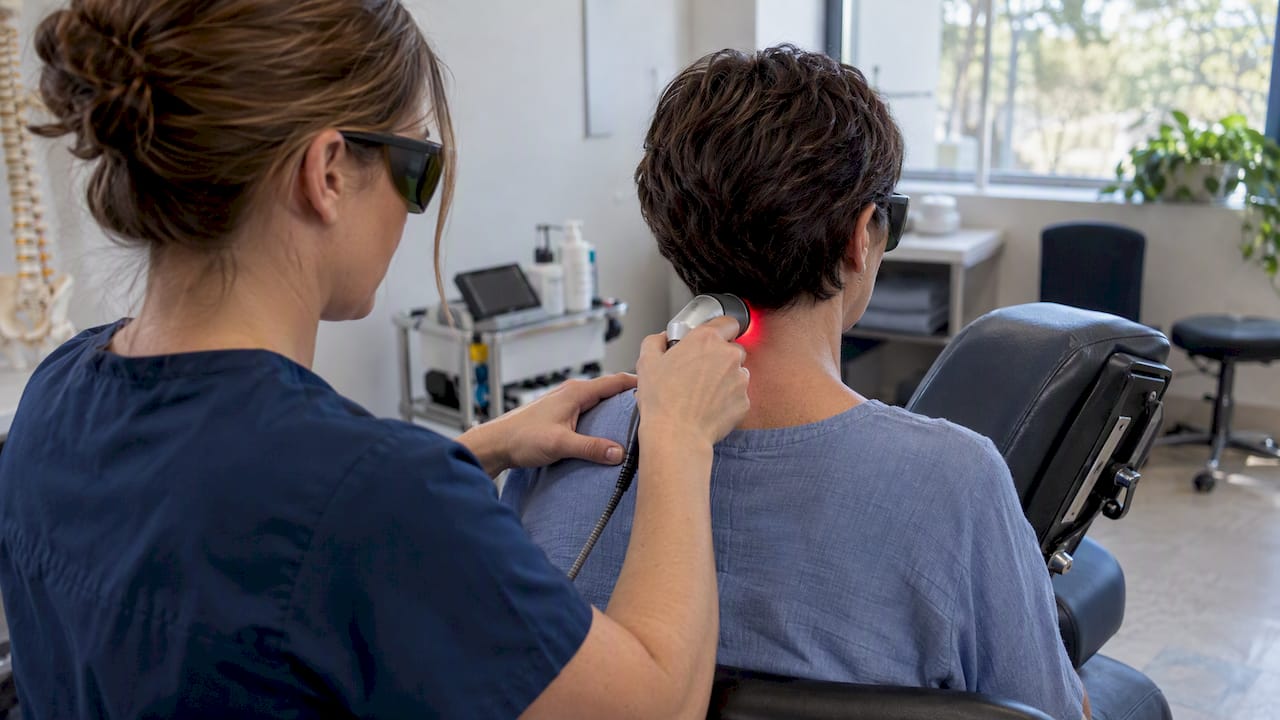
Laser therapy, specifically photobiomodulation delivered through low-level (LLLT) or high-intensity (HILT) devices, can meaningfully reduce neck pain, usually within a short- to medium-term window and almost always alongside exercise or manual therapy. A 2024 meta-analysis found HILT reduced pain by a pooled 14.1 mm on a 100 mm pain scale when combined with physical therapy. We see it as a safe, clinic-supervised tool that helps you tolerate and progress through active rehab, not a standalone fix.
TL;DR:
- Treatment protocols vary widely, typically involving 6 to 12 sessions scheduled two to three times a week, focusing on mild warmth and gradual improvements.
- Laser therapy is best suited for muscular stiffness or tension-related pain, not for acute trauma, neurological signs, or structural issues requiring urgent evaluation.
- Supervised clinic treatments are classified as higher risk than home devices, requiring specific training and protocols, especially for high-intensity laser therapy units.
- Laser therapy works as a bridge, helping reduce pain enough for active exercises; it should be paired with ongoing rehab and manual therapy for lasting results.
Photobiomodulation is the clinical term for light-based therapy that uses specific wavelengths to influence cells in soft tissue. You may hear it called laser therapy, cold laser, or low-level laser therapy (LLLT), but these all describe variations of the same underlying approach. The distinction that matters most is intensity.
LLLT devices use lower power output over longer treatment times, while high-intensity laser therapy (HILT) delivers more energy in shorter sessions, often with deeper tissue reach. Clinics also use LED-cluster devices, which emit noncoherent light at similar wavelengths and have shown short-term benefit for neck and shoulder stiffness in a small feasibility study.
Device class is one reason supervised, in-clinic treatment looks different from a handheld consumer gadget.
The working theory behind photobiomodulation is that specific wavelengths of light are absorbed by mitochondria in cells, which may support cellular energy production and help calm local inflammation. Researchers describe this as a biological effect rather than a mechanical one, which is part of why laser therapy feels different from heat or massage.
A 2009 systematic review in The Lancet found LLLT reduced neck pain by a pooled 19.9 mm on a 100 mm visual analog scale, with relief lasting up to 22 weeks in some chronic pain trials. More recently, the 2024 HILT meta-analysis reported a pooled reduction of 14.1 mm VAS, a 3.9 degree improvement in cervical extension, and an 8.3% drop in disability scores when laser was paired with physical therapy.
Both figures suggest improvements that may be meaningful to patients, indicating a real perceived benefit beyond statistical significance. That distinction is worth sitting with: a result can clear a p-value and still mean little to the person living with the pain.
What neither review promises is a cure. The benefit window is typically short- to medium-term, and study quality varies:
Laser therapy tends to suit people with muscular neck stiffness, tension-related pain, or mild to moderate chronic discomfort that has not responded to rest alone. It is not the right starting point for everyone.
Seek medical evaluation before considering laser therapy if you notice any of the following:
Harvard Health guidance notes that most mild to moderate neck pain improves with self-care within two to three weeks, but any of the signs above calls for prompt evaluation rather than a wait-and-see approach. Home laser devices also vary widely in certification, so a device marketed for home use is not automatically equivalent to clinic-grade equipment.
Pro Tip: Before starting treatment anywhere, ask what laser class the clinic uses, who operates it, and how the therapy fits into your broader rehab plan.
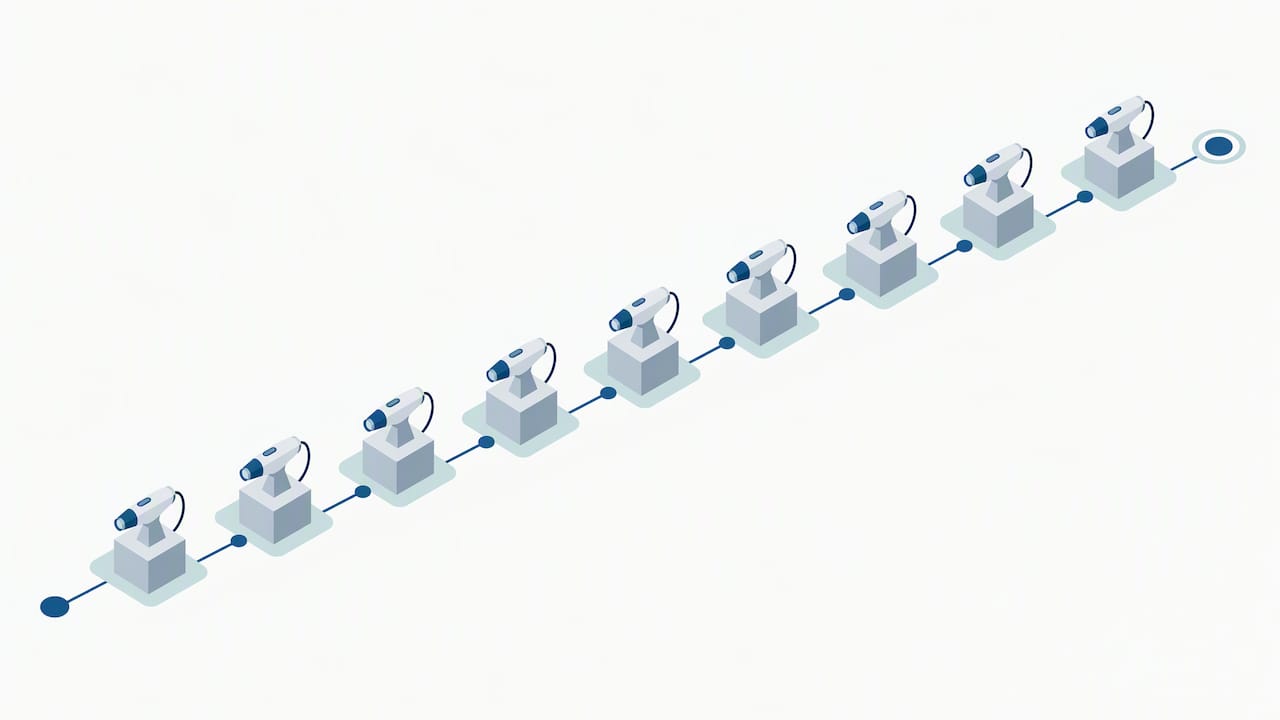
Most clinical protocols for neck pain involve a defined course rather than a single session. Trials commonly use 6 to 12 sessions, scheduled two to three times per week, with dosing measured in joules per treatment point and adjusted for tissue depth and condition severity. During treatment, most patients feel nothing or a mild, comfortable warmth. Pain relief is rarely immediate; changes in stiffness or range of motion tend to show up gradually over the first several sessions.
A practical way to track progress:
This kind of structured check-in keeps expectations honest and gives you and your provider a clear point to change course if needed.
Guideline syntheses consistently point to exercise and multimodal care, not passive modalities, as the backbone of chronic neck pain treatment. A systematic review of exercise approaches found that motor control and segmental exercise programs reliably reduce pain and disability in the short term, while recommendations around electrotherapy and laser remain more cautious and inconsistent across guidelines.
In practice, that means laser therapy works best as a bridge rather than a destination. A reasonable sequence looks like this:
Pro Tip: Ask whether your laser sessions are scheduled around your exercise program, not instead of it. That timing often determines whether the benefit sticks.
At our clinic in Meridian, Idaho, we offer Low Level Laser Therapy as one piece of a multidisciplinary approach that also includes chiropractic care, spinal decompression, and progressive rehab. We built this model because neck pain rarely has one cause, and we have found that combining modalities tends to support more complete recovery than any single therapy alone.
A typical pathway includes:
Patients dealing with disc-related neck pain may also be evaluated for our Disc Restore Program as part of a broader care plan.
We tend to reach for laser therapy when someone has muscular stiffness or tension that is limiting their ability to move and exercise comfortably. It is a useful way to lower the pain enough that rehab becomes possible. We are more cautious when someone shows signs of structural issues or progressive neurological symptoms, where other evaluation needs to come first. Either way, the goal is a shared decision with clear markers for what success looks like.
— Chad
We offer Low Level Laser Therapy as part of an integrated plan that can include chiropractic care and, for disc-related pain, our Disc Restore Program.
Your first visit includes a hands-on evaluation, baseline measurements of your pain and motion, and a recommended plan built around what we find rather than a one-size protocol. If you are in the Meridian area and ready to get a clear read on your neck pain, you can schedule an evaluation and start from there.
This article is general information, not a substitute for advice from a qualified doctor. Consult a qualified healthcare professional about your own circumstances before acting on anything here.
No single treatment outperforms all others for chronic neck pain. Guideline reviews point to exercise-based, multimodal care as the most consistently supported approach, often combined with manual therapy and, when appropriate, adjuncts like laser therapy to reduce pain enough for active rehab.
Many people see meaningful improvement with consistent treatment, though chronic neck pain can take longer to resolve than acute episodes. Harvard Health notes that most mild to moderate neck pain improves within two to three weeks with proper self-care, but persistent or worsening symptoms warrant a professional evaluation.
Some soreness after new exercises or manual therapy is common as tissues adapt, and it usually settles within a day or two. Pain that sharply worsens or spreads, however, is a signal to let your provider adjust the plan rather than push through it.
Many people start with a primary care provider or chiropractor for an initial evaluation of muscular or mechanical neck pain. If red flags are present, such as trauma, progressive weakness, fever, or bowel and bladder changes, immediate medical evaluation takes priority over routine care.
Dosing is typically measured in joules per treatment point, with the exact dose adjusted for tissue depth and condition. A third-party explainer on photobiomodulation outlines common dosing ranges, and evidence from neck pain trials suggests similar light-based approaches can help with muscular tension more broadly, though individual response varies.