Neurofeedback for Anxiety Relief: Real Benefits Explained
June 29, 2026

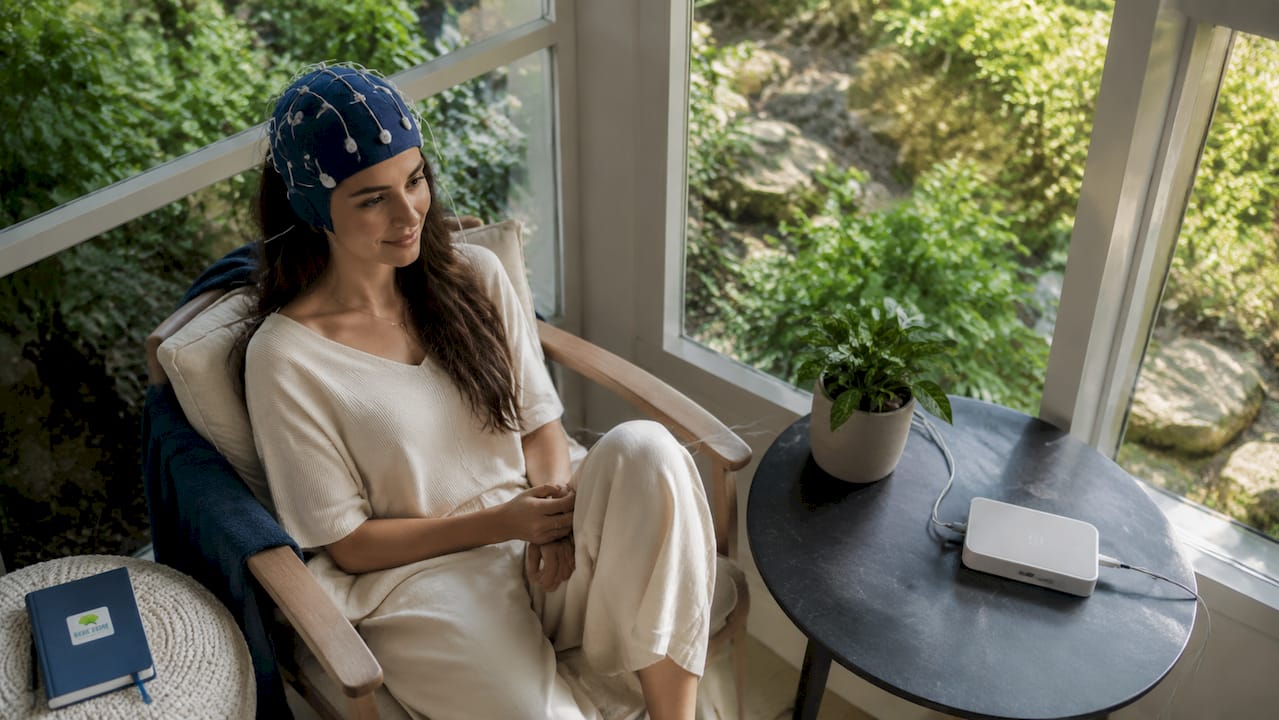
Neurofeedback therapy is defined as a non-pharmacological brain training method that uses real-time EEG feedback to teach the brain to sustain calmer electrical patterns and reduce anxiety symptoms. Unlike medication, it builds a lasting skill rather than masking symptoms temporarily. The benefits of neurofeedback anxiety relief are backed by over 40 years of clinical research, with moderate-to-large effect sizes on standardized anxiety scales like the State-Trait Anxiety Inventory. Standard protocols run 20–30 sessions, and many patients maintain gains at one-year follow-up. If you are looking for a non-invasive path to calmer, more resilient mental health, neurofeedback deserves a close look.
Neurofeedback produces meaningful, durable anxiety reduction without pharmacological side effects. That combination is rare in anxiety treatment, and it is the core reason so many patients seek it out.
The specific benefits include:
Pro Tip: Ask your provider whether your protocol targets SMR or alpha bands. The answer should match your primary anxiety profile, whether somatic tension or cognitive worry.
Neurofeedback also addresses natural anxiety relief without adding chemical load to the body. For patients already managing medication side effects, that matters enormously.

Neurofeedback works by placing EEG sensors on the scalp to measure electrical activity across specific brain regions in real time. The system then delivers audio or visual feedback, typically a tone or a video that plays smoothly, when the brain produces the target brainwave pattern. When the brain drifts away from that pattern, the feedback pauses. Over repeated sessions, the brain learns to sustain the desired state independently.
The process follows a clear sequence:
Pro Tip: If your provider uses qEEG brain mapping before starting, that is a strong sign the protocol is personalized to your specific brainwave profile, not a one-size-fits-all approach.
This mechanism explains why neurofeedback complements chiropractic and nervous system care so effectively. Both approaches work on the regulatory capacity of the nervous system, not just surface symptoms.
Most patients need 20–30 sessions to achieve durable anxiety relief through neurofeedback. That number reflects the time the brain requires to consolidate new regulatory patterns, not a commercial decision.
Here is what the typical timeline looks like:
Each session runs 30–60 minutes. Most patients attend one to two sessions per week, making the full protocol a three-to-six-month commitment. Protocol customization and patient consistency both affect how quickly progress appears. Patients who attend regularly and communicate openly with their provider tend to see the best outcomes.
Neurofeedback produces strong results on its own. Combined with other evidence-based approaches, the outcomes improve further.
The most supported combinations include:
“Neurofeedback complements psychopharmacological and psychotherapeutic treatments by enhancing overall functional recovery without adding side effects.” — Divergence Neuro
Pairing neurofeedback with mindfulness-based anxiety strategies gives you tools for both the training room and daily life. The brain learns calmer patterns in sessions; mindfulness helps you access those patterns when stress hits outside the clinic. For patients exploring multiple therapy options, neurofeedback fits naturally within a broader mental health plan.
Neurofeedback is the most evidence-supported non-invasive brain training method for achieving durable anxiety relief, with benefits that persist well beyond the treatment period.
| Point | Details |
|---|---|
| Moderate-to-large effect sizes | Clinical research confirms meaningful anxiety reduction on validated scales like the STAI. |
| Protocol matching matters | SMR training targets somatic anxiety; alpha training targets cognitive anxiety and rumination. |
| Full protocol required | 20–30 sessions are needed to lock in lasting brainwave changes and reduce relapse risk. |
| Multimodal approaches outperform solo treatment | Combining neurofeedback with CBT, mindfulness, or HRV biofeedback produces stronger outcomes. |
| No pharmacological side effects | Neurofeedback is safe, well-tolerated, and compatible with existing medication and therapy. |
The most common misconception I encounter is that neurofeedback is a passive treatment. Patients sometimes expect to sit in a chair and walk out cured. The reality is more interesting and more rewarding.
Neurofeedback is skill acquisition. The brain is learning something new, the same way a muscle learns a movement pattern through physical therapy. That means early sessions can feel subtle or even disorienting. Patients who push through that phase and commit to the full protocol are the ones who see their anxiety genuinely shift, not just soften temporarily.
The second thing I have learned is that protocol customization is not optional. A generic SMR protocol applied to someone whose anxiety is primarily cognitive and ruminative will underperform. qEEG-guided assessment changes that. When the training targets the actual dysregulated pattern in that specific person’s brain, the results are noticeably better and they arrive faster.
What I find most rewarding is watching patients reclaim their emotional baseline. Anxiety stops feeling like a permanent state and starts feeling like a passing weather pattern. That shift in identity, from “I am an anxious person” to “I have a brain that can regulate itself,” is the real outcome of a well-run neurofeedback protocol. No medication produces that.
— Chad
Brainrestoremeridian integrates neurofeedback into a full brain health program that includes functional medicine evaluation, chiropractic care, and photobiomodulation. That means your anxiety treatment is not isolated. It is supported by a team that addresses the physiological factors affecting your brain’s ability to regulate itself.
If you are ready to move beyond symptom management and build real self-regulation skills, Brainrestoremeridian’s brain health restoration program offers personalized neurofeedback protocols guided by qEEG assessment. You can also learn how neurofeedback works alongside chiropractic care to support nervous system health at every level. Contact the clinic in Meridian, Idaho to schedule a consultation and find out which protocol fits your anxiety profile.
Neurofeedback trains the brain to sustain calmer electrical patterns by rewarding target brainwave activity in real time. Over 20–30 sessions, the brain learns to regulate itself independently, reducing anxiety symptoms durably.
Yes. The majority of clinical trials report no serious adverse events. Neurofeedback is non-invasive, drug-free, and compatible with existing medication and psychotherapy.
Early symptom relief often appears around sessions 10–15. Lasting neurological change requires the full 20–30 session protocol to consolidate stable brainwave patterns.
Yes. Neurofeedback for depression and neurofeedback for brain fog share overlapping mechanisms with anxiety treatment, particularly in improving emotional regulation and attentional control through alpha and SMR band training.
Research confirms that combining neurofeedback with CBT, mindfulness, or HRV biofeedback produces stronger anxiety reduction than neurofeedback alone, addressing both the brain and the behavioral patterns that sustain anxiety.