
The Fat Burning Stage: When It Starts and How to Maximize It
August 15, 2026


Your body enters the fat-burning stage roughly 12 hours into a fast, when liver glycogen stores drop low enough that fatty-acid oxidation begins to rise. In a sustained caloric deficit without fasting, the shift is slower: the first few days of dieting mostly drain glycogen and shed water weight, and meaningful fat oxidation accelerates over the following weeks as the deficit compounds.
Two timing windows matter most:
How quickly you reach each threshold depends on your liver glycogen at the start, your recent carbohydrate intake, your activity level, and your degree of insulin sensitivity. Someone who trained hard the day before will deplete glycogen faster than someone who rested after a high-carb meal.
The fat-burning stage is a measurable metabolic event that begins around 12 hours of fasting and deepens between 16 and 36 hours, but sustaining it safely requires protein, resistance training, and attention to the hormonal and neurological factors that govern adherence.
| Point | Details |
|---|---|
| Fat burning starts around 12 hours | Ketone production can begin near the 12-hour fasting mark and escalates between 16 and 24 hours. |
| Early weight loss is mostly water | Glycogen and water account for most scale drops in the first week; true fat loss dominates after that. |
| Measure with blood ketones | A fasted BHB reading above 0.5 mmol/L confirms the metabolic switch has occurred. |
| Protein and resistance training protect muscle | Distributing 1.6–2.2 g/kg of protein daily and training 2–4 times per week preserves lean mass during a deficit. |
| Brainrestoremeridian offers clinical evaluation | For stalled fat loss, the clinic provides hormone panels, functional medicine consults, and neurofeedback to identify and address metabolic barriers. |
The term “fat burning” describes a specific metabolic event, not just weight loss in general. The distinction matters because you can lose weight while burning very little fat, and you can burn fat without the scale moving much at all.
When carbohydrate availability falls, insulin drops, and the enzyme hormone-sensitive lipase becomes active in adipose tissue. It cleaves stored triglycerides into free fatty acids (FFAs) and glycerol, releasing them into the bloodstream. The liver takes up those FFAs and runs them through a process called beta-oxidation, breaking them into acetyl-CoA units. When acetyl-CoA accumulates faster than the citric acid cycle can process it, the liver packages the excess into ketone bodies: beta-hydroxybutyrate (BHB) and acetoacetate. Those ketones circulate to the brain, heart, and muscles as an alternative fuel.
This entire sequence is called the metabolic switch, and it typically occurs between 12 and 36 hours after stopping food, depending on liver glycogen content and energy expenditure. Plasma ketone levels are the most practical biomarker to confirm the transition has happened.
When the metabolic switch flips, the body coordinates a shift from lipid synthesis to fat mobilization, triggering cellular repair pathways alongside fuel changes. Measuring plasma ketones is the most reliable way to confirm the switch has occurred and to gauge its magnitude.
How researchers measure it: The respiratory exchange ratio (RER) is the ratio of CO₂ produced to O₂ consumed. An RER near 1.0 signals carbohydrate burning; an RER near 0.7 signals near-complete fat oxidation. Indirect calorimetry measures RER in a clinical or research setting. At home, blood ketone meters that measure BHB are the practical alternative. Nutritional ketosis is generally indicated by plasma BHB levels of 0.5–3.0 mmol/L; baseline fasted levels typically sit below 0.3 mmol/L.
One nuance worth knowing: ketones spare muscle protein by providing an alternative fuel to the brain, reducing the need to convert amino acids into glucose through gluconeogenesis. That muscle-sparing effect is one reason extended fasting, done carefully, does not necessarily cause the muscle loss many people fear.
The timeline below reflects what research and clinical physiology describe for a typical adult. Individual variation is real, and biomarkers remain the most accurate way to know where you personally stand.
| Time Window | Dominant Metabolic Process | Practical Notes |
|---|---|---|
| 0–12 hours | Postprandial glucose oxidation; glycogen use | Fat oxidation is low; insulin still elevated after meals |
| 12–16 hours | Glycogen depletion accelerates; FFAs begin rising | Ketosis may begin around 12 hours; RER starts declining |
| 16–24 hours | Rising fatty-acid oxidation; ketone production increases | Fat burning escalates; BHB measurable in blood |
| 24–36 hours | Sustained ketosis; gluconeogenesis from amino acids and glycerol | Hunger often stabilizes; electrolyte management becomes relevant |
| Multi-day fast | Deep ketosis; significant fat mobilization; muscle-sparing from ketones | Requires clinical supervision for most people |
| Weeks/months of caloric deficit | Chronic glycogen reduction; fat loss predominates after initial water loss | Scale progress slows but body-composition change continues |
What accelerates or delays each window:
A 12:12 fasting window (eating within 12 hours, fasting for 12) sits right at the threshold where ketone production may begin but rarely sustains. A 16:8 window reliably pushes most people into measurable fat oxidation. A 24-hour fast produces a more pronounced metabolic shift. For caloric-deficit dieters not practicing fasting, the fasting physiology stages still apply overnight; however, the daytime eating pattern keeps glycogen partially replenished, so fat oxidation increases gradually over weeks rather than within a single day.
Pro Tip: If you want to know whether your 16:8 window is actually triggering the metabolic switch, test your blood BHB with a ketone meter first thing in the morning before breaking your fast. A reading above 0.5 mmol/L confirms you crossed the threshold overnight.
Weight loss and fat loss are not the same thing, and the scale tells a different story at each stage.
Stage 1: Rapid early weight change (days 1–7)

The first several days of a caloric deficit or fasting protocol produce the most dramatic scale drops, and almost none of it is fat. Each gram of glycogen is stored with roughly 3 grams of water. As glycogen depletes, that water releases. A person with 400–500 grams of glycogen stored can drop 3–5 pounds in the first week without losing meaningful fat mass. This is encouraging on the scale but misleading about actual fat loss progress.
Stage 2: Steady fat-loss phase (weeks 2 onward)
Once glycogen is chronically reduced, the deficit starts pulling primarily from fat stores. This is the phase where body composition genuinely changes. Progress is slower: a safe and sustainable rate is roughly 0.5–1 pound of actual fat per week for most people, which requires a daily deficit of approximately 250–500 calories. Energy balance is the governing principle here. You cannot meaningfully accelerate your basal metabolic rate, so the practical levers are the size of your deficit and how much lean mass you preserve.
Protein intake and resistance training are important tools for protecting muscle during this phase. Losing muscle alongside fat can slow your resting metabolic rate and make subsequent progress harder.
Stage 3: Plateau and metabolic adaptation
After weeks to months of deficit, the body adapts. Appetite hormones shift: leptin falls, ghrelin rises, and the drive to eat increases. Metabolic rate decreases modestly as body weight drops, because a smaller body requires fewer calories. Hormonal factors like leptin insensitivity can make this plateau feel stubborn even when adherence is good.
Feeling like you are burning fat and actually burning fat are two different things. Here are the methods that give you real signal, ranked from most objective to most practical.
Objective measurement options:
Practical signs worth tracking:
Pro Tip: Match your testing conditions every time. Weigh yourself and test ketones at the same time of day, in the same fasted state, wearing the same amount of clothing. Inconsistent conditions create noise that looks like real metabolic change.
The goal is not just to lose weight. It is to lose fat while keeping the lean tissue that protects your metabolism and your long-term health.
Energy balance and deficit sizing:
A deficit of 250–500 calories per day produces 0.5–1 pound of fat loss per week for most people. Larger deficits accelerate scale loss but increase muscle loss, fatigue, and hormonal disruption. Aggressive restriction also raises cortisol, which promotes fat storage around the abdomen and suppresses thyroid function. Slow and steady is not a cliché here; it is what the physiology supports.
Protein and resistance training:
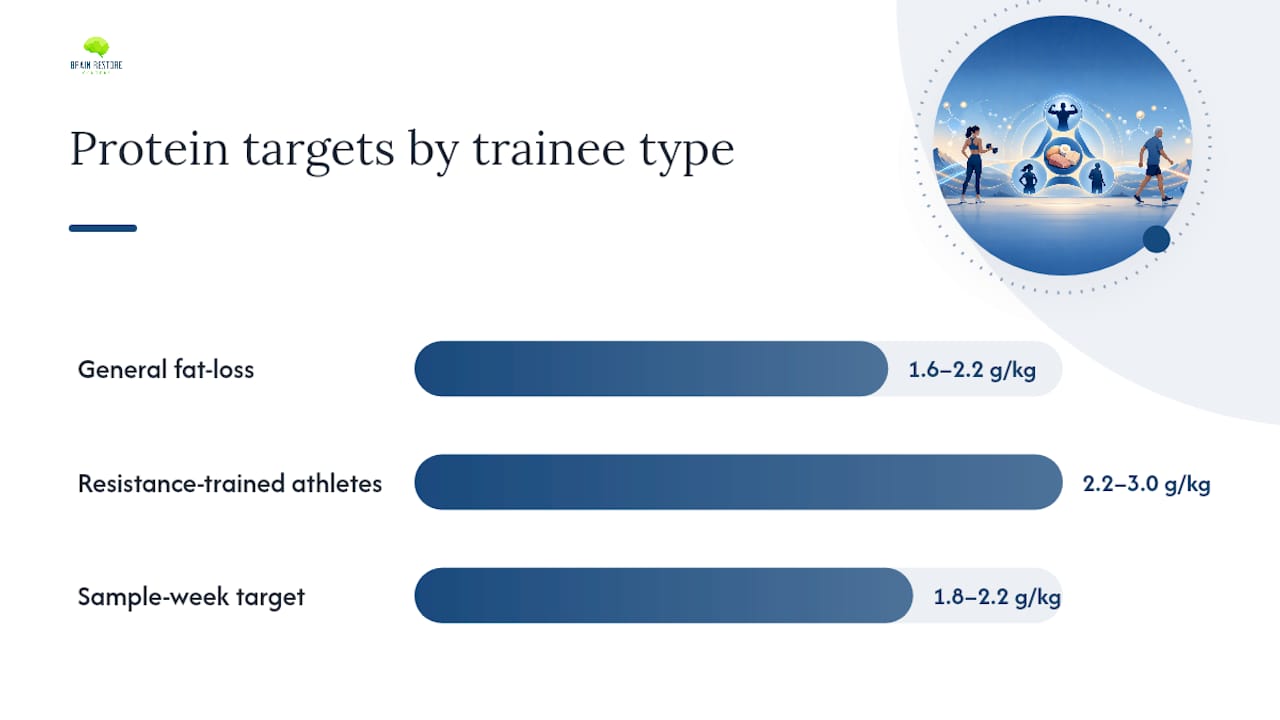
Protein is the single most important dietary lever for preserving lean mass during a deficit. Evidence-based ranges for general fat loss sit around 1.6–2.2 grams per kilogram of body weight per day, distributed across at least three meals. For resistance-trained athletes, sports nutrition research supports 2.2–3.0 g/kg/day with a weekly weight-loss rate of 0.5–1.0% of body weight to protect fat-free mass. Resistance training two to four times per week sends the signal to retain muscle even when calories are low.
Meal timing and intermittent fasting:
Intermittent fasting works as a fat-loss tool primarily because it helps many people reduce total calorie intake without counting. The metabolic benefits of the switch itself add to that. Where IF tends to fall short is in people who compensate by eating more during the feeding window, or who find the restriction unsustainable. Compared with continuous calorie restriction, IF produces similar fat loss outcomes when calories are matched. Its advantage is adherence for people who find time-restricted eating easier than portion control.
Exercise: combining endurance and resistance:
Aerobic exercise increases fatty-acid oxidation during the session and improves mitochondrial density over time, which raises your capacity to burn fat at rest. Resistance training preserves and builds lean mass, keeping your resting metabolic rate higher. Non-exercise activity thermogenesis (NEAT), which includes walking, standing, and incidental movement, contributes meaningfully to total daily energy expenditure and is often overlooked. A simple target: 7,000–10,000 steps per day alongside structured training.
A sample week structure (compact):
Pro Tip: Every 6–8 weeks of deficit, consider a 1–2 week diet break at maintenance calories. This resets leptin, reduces cortisol, and often improves adherence when you return to the deficit. It does not erase fat loss; it makes the next phase more effective.
Metabolic flexibility is the body’s ability to switch efficiently between carbohydrate and fat as primary fuels. Think of it as a gear-shift mechanism: a flexible metabolism shifts smoothly; a rigid one stays stuck in one gear.
Obesity and insulin resistance blunt this shift. Research shows that lean individuals increase skeletal-muscle fatty-acid oxidation in response to a high-fat diet, while obese individuals do not show the same adaptive response. The same study found that 10 days of exercise training increased FAO in both groups, regardless of body weight. That is an important finding: exercise restores flexibility even when diet alone does not.
For people with metabolic syndrome or type 2 diabetes, the metabolic switch is delayed and blunted. Chronically elevated insulin keeps lipolysis suppressed, so the body resists shifting to fat oxidation even during extended fasting. Biomarker-guided monitoring and supervised plans are especially valuable in this population because the standard timing windows may not apply.
For athletes: The goal shifts from simply losing fat to losing fat without losing performance. Endurance athletes who train in a fasted or low-glycogen state periodically can improve their fat-oxidation capacity, a strategy sometimes called “train low, compete high.” This is not appropriate for every session, but it is a real tool for improving metabolic flexibility and exercise capacity over time.
Interventions that improve metabolic flexibility:
Fasting and caloric restriction are safe for most healthy adults. They are not appropriate for everyone, and some situations require medical supervision before you start.
Stop or seek evaluation if you have:
Signs that warrant a clinical visit during a fasting or deficit protocol:
Practical self-monitoring steps:
This article provides general health information, not a substitute for professional medical advice. Confirm any protocol with your physician, especially if you have an existing health condition.
The hypothalamus regulates hunger, energy balance, and metabolic rate. When it receives stress signals, it triggers cortisol release from the adrenal glands. Chronically elevated cortisol raises blood glucose (by stimulating gluconeogenesis), increases insulin, and promotes fat storage in the visceral region. That sequence directly opposes the metabolic switch. Stress and its hormonal effects can keep you stuck in a glucose-dependent state even when your diet is otherwise well-structured.
Sleep disruption compounds the problem. Poor sleep raises ghrelin (the hunger hormone) and lowers leptin (the satiety hormone), increasing caloric intake the next day. It also elevates cortisol and impairs insulin sensitivity, making the shift to fat oxidation harder to sustain.
The brain’s reward circuits, particularly the dopamine pathways, drive cravings for high-calorie foods. When stress is high and sleep is poor, those circuits become more reactive, making adherence to a deficit or fasting window significantly harder. This is not a willpower problem; it is a neurological one.
When the brain’s stress and reward systems are dysregulated, even a well-designed fat-loss plan can stall. Addressing sleep quality, cortisol patterns, and neurological regulation is often the missing piece for people who do everything “right” and still cannot sustain fat burning.
A clinical evaluation for someone struggling with metabolic barriers might include: a full hormone panel (cortisol, thyroid, insulin, leptin), sleep assessment, and a review of cognitive and behavioral patterns that affect adherence. qEEG brain mapping can identify dysregulated brain patterns that drive cravings and impulsive eating, offering a neurological window into why some people find fat-loss adherence so difficult. Neurofeedback, as one targeted intervention, trains the brain toward calmer, more regulated patterns, which can reduce stress-driven eating without relying on willpower alone.
Most people come in expecting a clear on/off switch: fast for 16 hours, flip into fat-burning mode, and watch the results accumulate. The science is more nuanced than that. The metabolic switch is real, measurable, and meaningful, but it is not a shortcut. It works best when it is paired with adequate protein, consistent resistance training, honest attention to total calorie intake, and enough sleep to keep cortisol from undoing the work.
What I find most overlooked in the standard fat-loss conversation is the role of individual metabolic variability. Two people following identical 16:8 protocols will show different plasma ketone levels, different rates of fat oxidation, and different rates of muscle retention. Biomarkers matter. Body-composition tracking matters. And for people who have been stuck despite doing everything right, a clinical evaluation that looks at hormones, sleep, and neurological regulation often reveals the actual barrier. That is where personalized care, rather than generic advice, makes a real difference.
If you have been following a fasting protocol or caloric deficit and your fat loss has stalled, the barrier is often not effort. It is physiology. Brainrestoremeridian offers metabolic evaluations that go beyond the scale: hormone panels, functional medicine consultations, and neurological assessments that identify what is actually blocking your progress.

A first visit typically includes a detailed health history, targeted lab work (insulin, cortisol, thyroid, and metabolic markers), and a review of your current nutrition and activity plan. For patients whose cravings or stress responses are driving poor adherence, neurofeedback for anxiety and self-regulation is available as a targeted, evidence-supported option. The clinic serves patients in Meridian, Idaho, and the surrounding area who want a supervised, individualized plan rather than another generic protocol. Schedule your evaluation at Brainrestoremeridian to find out what your metabolism is actually doing and what to do about it.
The following sources underpin the science in this article and are worth reading directly if you want to go deeper.
Questions about your next step?
Our Meridian team can help you understand the evaluation process and which care options may fit your needs.
Schedule a ConsultationPrefer to speak with our team? Call 208-639-1397