Neurofeedback for Chronic Pain: What You Need to Know
June 25, 2026

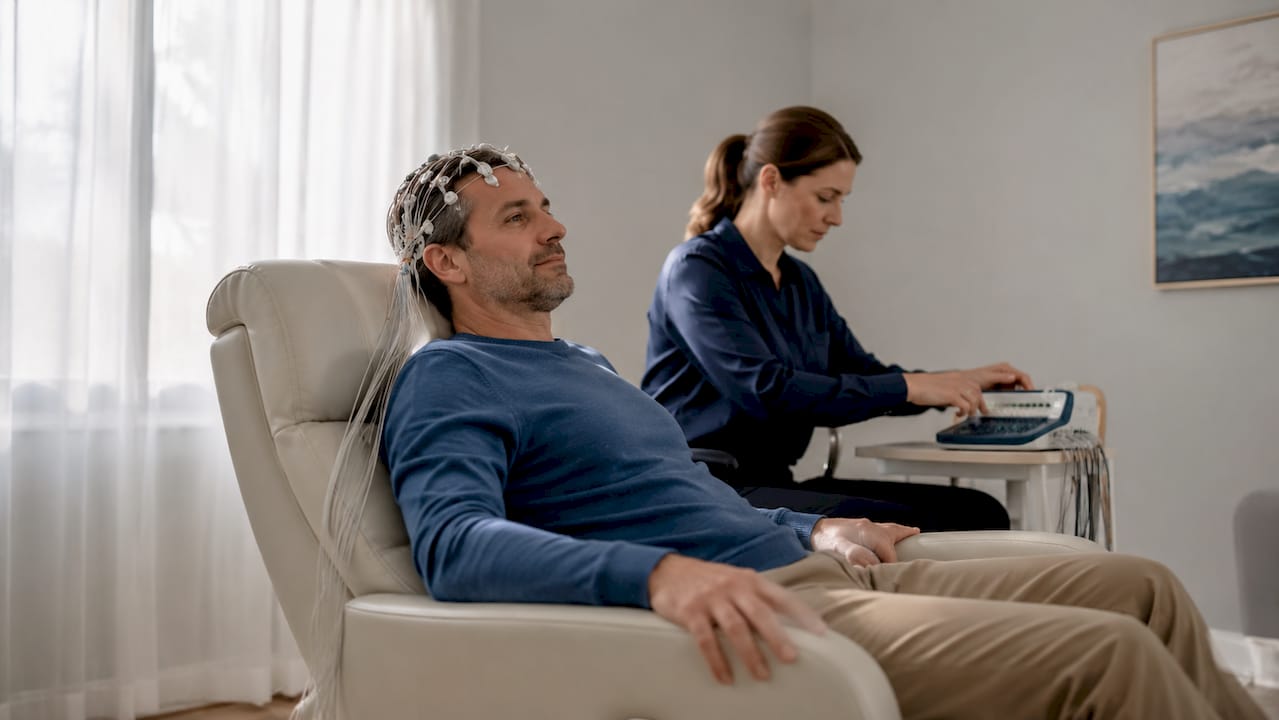
Neurofeedback is defined as a brain-training method that uses real-time EEG signals to teach your brain to shift away from pain-amplifying activity patterns. The role of neurofeedback in chronic pain is to directly modulate the neural networks that process and sustain pain, offering a non-drug path to symptom relief. Unlike medications that suppress pain signals chemically, neurofeedback targets the underlying brain activity driving your experience of pain. Techniques range from standard EEG-based protocols to immersive virtual reality brain-computer interfaces, each designed to retrain how your brain responds to pain signals. If you have been living with chronic pain and feel like you have exhausted conventional options, understanding how neurofeedback works at the neurological level is a meaningful first step.
Chronic pain is not just a body problem. Research consistently shows that persistent pain reshapes brain circuits, creating maladaptive patterns in regions like the sensorimotor cortex and default mode network. Neurofeedback works by giving you live feedback about your own brainwave activity, then rewarding your brain for producing healthier patterns. Think of it as physical therapy for your neural circuits.
Specific brainwave changes matter here. Studies on chronic neuropathic pain show that effective pain relief correlates with decreased gamma and delta EEG power and increased alpha power, alongside measurable improvements in tactile sensitivity and proprioception. That shift in brainwave balance is not just a number on a screen. It reflects genuine changes in how your nervous system processes sensory information.
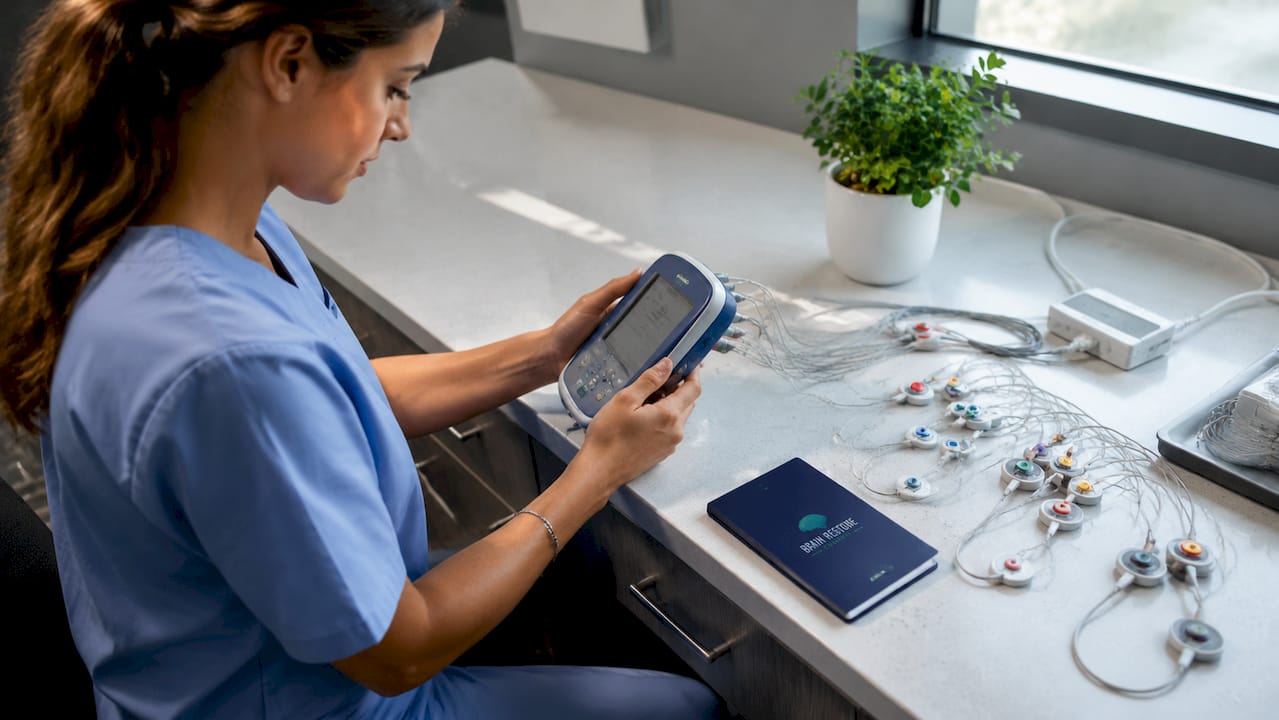
Neurofeedback also targets sensorimotor re-engagement, particularly relevant for conditions like phantom limb pain. When a limb is lost, the brain’s sensorimotor map reorganizes in ways that generate ongoing pain signals. EEG-based virtual reality brain-computer interface neurofeedback has shown that targeting maladaptive brain processes can produce meaningful analgesia by re-engaging those dormant sensorimotor circuits rather than simply masking the pain signal.
Key mechanisms neurofeedback uses to influence pain include:
The clinical picture for neurofeedback therapy for pain is promising but still developing. Pilot trials provide the clearest current evidence, and their findings are worth understanding carefully before you set expectations.
One well-documented pilot trial used an EEG-based virtual reality brain-computer interface with phantom limb pain patients. Seven participants completed 10 training sessions. The results showed a significant short-term reduction in flare-up pain intensity exceeding 80% during sessions. Three of five patients reported roughly 30% average daily pain improvement during the first month after training. That is a meaningful reduction in daily suffering, even if it is not a permanent cure.
The durability problem is real, though. Pain levels returned near baseline at 3–6 months post-training for most participants. This finding does not disqualify neurofeedback as a tool. It tells you that maintenance sessions are likely necessary, much like ongoing physical therapy for a musculoskeletal injury.
| Pain Type | Evidence Level | Key Finding |
|---|---|---|
| Phantom limb pain | Pilot trial | Over 80% short-term flare-up reduction; 30% daily improvement at 1 month |
| Chronic neuropathic pain | Pilot study (18 participants) | Significant pain reduction with EEG biomarker and sensory improvements |
| Nociplastic and musculoskeletal | Emerging | Protocols exist; large-scale trials still needed |
One underappreciated factor shaping outcomes is patient expectation. A secondary analysis of EEG-based neurofeedback trials found that outcome expectations predicted pain intensity reduction. Patients who entered treatment with realistic, positive expectations achieved better results. This is not a placebo argument. It reflects how top-down cognitive processes interact with pain networks, and it means that how your provider prepares you for treatment matters as much as the protocol itself.
Pro Tip: Ask your provider before starting: “What specific EEG biomarkers will you track, and how will you measure my sensory function alongside pain ratings?” Credible programs use multi-endpoint outcomes, not just subjective pain scores, to validate progress.
Neurofeedback sits within a broader category of non-pharmacological chronic pain management techniques. The 2026 Scottish Government quality prescribing guide explicitly promotes multimodal pain management built on biopsychosocial principles, including psychological therapies, mindfulness, and physical therapy as core components. Neurofeedback fits naturally within that framework as an adjunct, not a replacement.
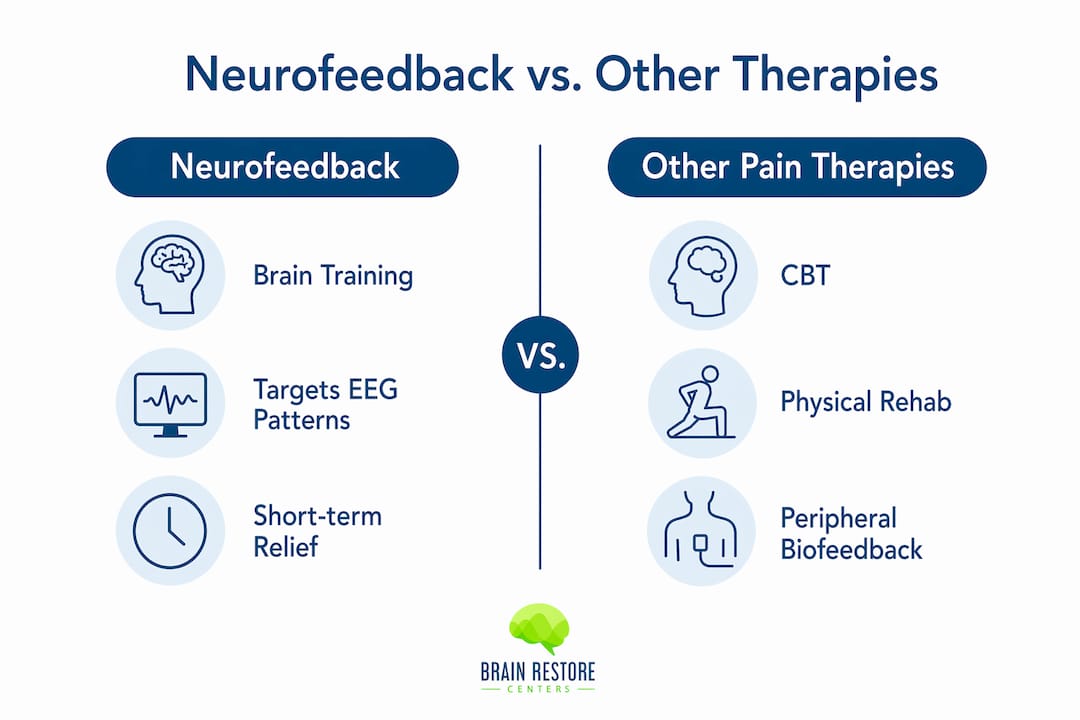
Here is how neurofeedback compares with the most common non-drug options:
| Therapy | Mechanism | Best Evidence For | Neurofeedback Advantage |
|---|---|---|---|
| Cognitive Behavioral Therapy (CBT) | Reframes pain-related thoughts | Widespread chronic pain | Neurofeedback directly trains brain activity, not just cognition |
| Mindfulness-based therapy | Reduces pain catastrophizing | Nociplastic pain | Neurofeedback provides objective EEG feedback, not just self-report |
| Physical therapy | Restores movement and strength | Musculoskeletal pain | Neurofeedback addresses central sensitization that PT alone cannot |
| Biofeedback | Trains physiological responses (heart rate, muscle tension) | Headache, TMJ | Neurofeedback targets brain-level pain networks specifically |
Neurofeedback and biofeedback are often confused. Biofeedback trains peripheral physiological signals like muscle tension or heart rate variability. Neurofeedback trains brain electrical activity directly. For central sensitization conditions, where the brain itself has become the pain amplifier, neurofeedback targets the source more precisely.
The most effective approach combines neurofeedback with therapies like CBT and physical rehabilitation. Neurofeedback can reduce the brain’s pain sensitivity, making other therapies more effective. You can read more about how neurofeedback and chiropractic care work together to address both central and structural pain drivers.
Choosing a neurofeedback program requires more than finding a provider with EEG equipment. The protocol must match your specific pain type, and the provider should be able to explain the evidence behind their approach.
Ask about pain phenotype targeting. Neuropathic, nociplastic, and musculoskeletal pain each involve different brain network disruptions. A protocol designed for phantom limb pain will not automatically work for fibromyalgia. Confirm that your provider uses condition-specific protocols with published efficacy data for your pain type.
Request a multi-endpoint outcome plan. Credible providers track EEG biomarkers and sensory function tests alongside your subjective pain ratings. Studies using multi-modal outcomes produce stronger evidence and give you a clearer picture of whether treatment is working.
Plan for maintenance from the start. Short-term benefits are real, but sustained improvement requires repeated or booster training sessions. Build this into your treatment plan and budget before you begin.
Keep a pain diary. Track pain intensity, sleep quality, and daily function from day one. This gives you and your provider objective data to assess progress and adjust the protocol.
Set realistic short-term and long-term expectations. Neurofeedback is not a one-time fix. Most patients see meaningful short-term gains within 10 sessions, but long-term management requires ongoing commitment.
Pro Tip: Before your first session, ask your provider to explain what specific brainwave target they are training and why that target is relevant to your pain condition. If they cannot answer clearly, look for a more experienced clinician.
A good starting point for understanding your options is reviewing comprehensive pain management guides that place neurofeedback within the full spectrum of available therapies.
Neurofeedback reduces chronic pain by directly retraining brain activity patterns, but sustained relief requires ongoing sessions, realistic expectations, and integration with other evidence-based therapies.
| Point | Details |
|---|---|
| Brain-level mechanism | Neurofeedback shifts EEG patterns, including alpha, gamma, and delta power, to reduce pain network activity. |
| Short-term results are real | Pilot trials show significant flare-up pain reduction and daily pain improvement within the first month of training. |
| Long-term durability requires maintenance | Pain relief tends to fade at 3–6 months without booster sessions, so plan for ongoing treatment. |
| Patient expectations shape outcomes | Providers who set clear, realistic expectations before treatment produce better patient results. |
| Multimodal integration works best | Neurofeedback combined with CBT, physical therapy, or chiropractic care addresses both central and structural pain drivers. |
I have reviewed a lot of pain management research over the years, and neurofeedback occupies an unusual position. The mechanistic evidence is genuinely compelling. Watching EEG biomarkers shift in real time alongside sensory improvements is not something you see with most therapies. That specificity is exciting.
What I find underreported is the maintenance problem. Most articles on neurofeedback for pain focus on the short-term wins and gloss over the fact that benefits fade within months without continued training. That is not a reason to avoid it. It is a reason to plan for it honestly from the start, the same way you would plan for ongoing physical therapy after a spinal injury.
The other thing I keep coming back to is the expectation finding. The fact that patient expectations predict outcomes is not a weakness of neurofeedback. It is a call for better provider communication. Clinicians who take time to explain the mechanism, set realistic goals, and track objective biomarkers will get better results than those who simply attach electrodes and hope for the best.
Neurofeedback belongs in a multimodal pain care program, not as a standalone cure. The patients I see benefit most are those who combine it with structural care, nutritional support, and psychological tools. That combination addresses pain at every level, from the brain down to the tissue.
— Chad
Brainrestoremeridian offers neurofeedback as part of a complete brain and body restoration program in Meridian, Idaho. The clinic combines EEG-based neurofeedback with chiropractic care, photobiomodulation, functional medicine, and spinal decompression to address chronic pain from multiple angles simultaneously.
If you are ready to address the brain’s role in your pain, not just the symptoms, Brainrestoremeridian’s team can build a personalized plan around your specific pain type and goals. Learn how neurofeedback and chiropractic care work together at the clinic, or explore the full range of integrative brain health therapies available to patients in the Meridian area. Contact Brainrestoremeridian to schedule a consultation and find out which protocol fits your condition.
Neurofeedback trains the brain to shift away from pain-amplifying EEG patterns by providing real-time feedback on brainwave activity. This directly modulates the neural networks responsible for chronic pain perception without medication.
Short-term pain reduction is well-documented in pilot trials, but benefits typically fade at 3–6 months without maintenance sessions. Long-term relief requires ongoing or booster training as part of a broader pain management plan.
Most pilot trials use 10 sessions as a baseline, with meaningful short-term improvements appearing within that window. Maintenance sessions beyond the initial course are generally needed to sustain results.
Neurofeedback targets brain-level pain networks directly through EEG, while biofeedback trains peripheral signals like muscle tension and heart rate. For central sensitization and neuropathic pain, neurofeedback addresses the source more specifically.
Neurofeedback protocols are most effective when matched to a specific pain phenotype. Evidence exists for neuropathic and phantom limb pain, while research on nociplastic and musculoskeletal conditions is still growing.