
Optimal Health in Boise: Your Practical Wellness Guide
June 23, 2026


Optimal health is defined as a dynamic state where your body’s key biomarkers fall within personalized ideal ranges, your daily habits support sustained energy, and your medical care is proactive rather than reactive. For residents pursuing optimal health in Boise, this means combining evidence-based biomarker testing, practical nutrition and movement habits, preventive screenings, and stress management into one coordinated plan. The Treasure Valley region offers real resources to support this, from functional medicine clinics in Meridian to Boise farmers markets and accessible outdoor recreation. This guide shows you exactly how to put those pieces together.
Biomarker testing is the foundation of personalized wellness, and local providers in the Boise area treat it as a starting point, not a checkbox. A comprehensive biomarker panel includes a complete blood count (CBC), metabolic panel, HbA1c, vitamin D, B12 and folate, thyroid markers, lipid panel, and inflammatory markers. The goal is not simply to land within “normal” ranges. The goal is to reach optimal ranges, which are often narrower and more meaningful for long-term vitality.
Beyond core labs, advanced testing options add another layer of precision. These include whole-genome sequencing, epigenetic assays, microbiome analysis, and early cancer screenings. Each test answers a specific question about how your body is functioning at a cellular level. Taken together, they give a clinician far more to work with than a standard annual blood draw.
Expert MD interpretation is what separates useful data from confusing noise. A skilled clinician reads trends over time, not single data points. They connect your lab results to six recognized pillars of longevity: cardiovascular health, metabolic function, cancer risk, cognitive health, musculoskeletal integrity, and immune resilience. Without that interpretive layer, raw numbers can mislead as easily as they inform.
Here are the core biomarker categories to discuss with your provider:
Pro Tip: Bring your last two to three years of blood work to your first appointment. Providers can identify trends that a single visit would completely miss.
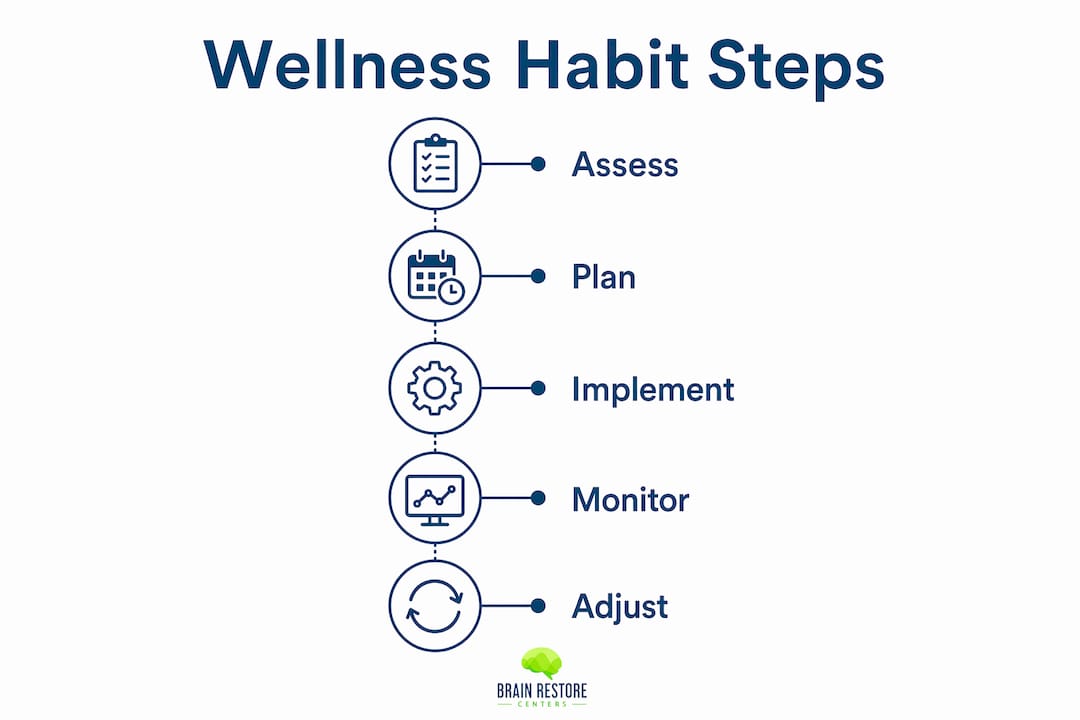
Sustainable wellness habits outperform dramatic overhauls every time. Small, realistic habit changes integrated into daily life support long-term health more effectively than any short-term diet or fitness program. For Boise families, the practical advantage is that the environment already supports an active lifestyle. The Boise River Greenbelt, Camel’s Back Park, and the Foothills trail system put low-barrier physical activity within reach for most residents.
Physical activity targets are straightforward. Adults benefit from 150 minutes of moderate activity weekly, while children need about 60 minutes of movement daily. Neither requires a gym membership. A 30-minute walk five days a week meets the adult target. For kids, unstructured outdoor play counts fully.
Nutrition improvements work best when they are incremental. Consider these starting points:
The nutrition principle that matters most is consistency, not perfection. A family that eats well 80% of the time and moves daily will outperform one that follows a strict plan for three weeks and abandons it. Functional medicine providers who understand holistic health principles consistently reinforce this point: the best plan is the one you actually follow.
Pro Tip: Build a family culture of health through shared small habits. Cook one new vegetable together each week. Walk after dinner instead of watching TV. These micro-habits compound over months into measurable health improvements.

Preventive screenings are the early warning system of personal health. Providers in Boise and Meridian offer screenings for cancer (colonoscopy, mammography, skin checks), bone density, cholesterol, diabetes and prediabetes, and blood pressure. The value of these screenings is not just detection. It is the prevention roadmap that a skilled provider builds from the results.
Screenings are not one-size-fits-all. Your age, gender, family history, and personal risk factors determine which tests you need and how often. A 45-year-old woman with a family history of breast cancer has a different screening schedule than a 55-year-old man with elevated cholesterol. Tailored prevention plans catch conditions like heart disease, diabetes, and certain cancers at their earliest and most treatable stages.
The table below outlines common preventive screenings and their general recommended starting ages:
| Screening | Recommended Starting Age | Frequency |
|---|---|---|
| Colorectal cancer (colonoscopy) | 45 | Every 10 years (if normal) |
| Mammography (women) | 40 | Annually or every 2 years |
| Bone density (DEXA scan) | 65 for women; earlier if at risk | Every 2 years |
| Cholesterol panel | 20 | Every 4–6 years (more if elevated) |
| Blood pressure check | 18 | Every 1–2 years |
| Diabetes/prediabetes screening | 35 | Every 3 years |
Annual physicals do more than generate a report. They create a longitudinal record of your health that a provider can use to spot gradual changes before they become serious problems. Patients who attend regular physicals report greater confidence in their health decisions and a stronger sense of control over their long-term quality of life.
Chronic stress is a direct threat to cardiovascular, immune, and mental health. Primary care providers in Boise screen for stress-related anxiety and depression during routine visits and offer treatment options ranging from lifestyle coaching to counseling referrals and, when appropriate, medication. Recognizing stress as a medical issue, not a personal weakness, is the first shift that makes management possible.
Lifestyle adjustments carry significant weight in stress reduction. The most effective ones are also the most accessible:
Boise’s outdoor recreation is genuinely underused as a health tool. A 20-minute walk in a natural setting measurably lowers cortisol levels. You do not need a structured program to benefit. The Foothills trails are open year-round, and even winter walks in the Boise area provide meaningful stress relief.
Pro Tip: Schedule outdoor time the same way you schedule a meeting. Treat it as non-negotiable. Patients who block time for outdoor activity consistently report better sleep and lower perceived stress within two to three weeks.
Achieving optimal health in Boise requires combining personalized biomarker testing, sustainable daily habits, age-appropriate preventive screenings, and consistent stress management into one coordinated, long-term plan.
| Point | Details |
|---|---|
| Biomarker testing drives personalization | Core and advanced labs reveal your actual health status, not just whether you fall within generic normal ranges. |
| Sustainable habits beat dramatic overhauls | Adults need 150 minutes of moderate activity weekly; small nutrition swaps compound into lasting results. |
| Preventive screenings catch problems early | Tailored screening schedules by age, gender, and risk factor detect conditions at their most treatable stage. |
| Stress management is medical care | Chronic stress damages cardiovascular and immune health; outdoor activity and sleep are first-line interventions. |
| Expert interpretation is non-negotiable | Raw lab data without skilled MD analysis creates confusion rather than clarity. |
Most people arrive at a functional medicine appointment with a vague sense that something is off and a hope that one test will explain everything. That is not how it works. The first functional medicine visit typically runs 60–90 minutes and requires a detailed health history, symptom timeline, and prior lab results. Patients who walk in prepared get a genuinely personalized plan. Patients who arrive unprepared get a generic starting point.
The detail that surprises most people: the intake process itself is diagnostic. When you document your sleep patterns, stress triggers, dietary habits, and medication history in writing before the appointment, you give the provider a map. They use that map to order the right labs, not a standard panel. That specificity is what separates functional medicine from a routine physical.
I have also noticed that Boise residents consistently underestimate what they already have access to. The outdoor environment here is a legitimate health asset. The farmers market is a real nutrition resource. The community is genuinely oriented toward active living. The gap is usually not access. It is the absence of a coordinated plan that connects these resources to a person’s specific biomarker picture.
The most common mistake I see is waiting for a diagnosis before taking wellness seriously. Optimal wellness in Boise is not about treating disease. It is about building a body that resists it. That requires data, habits, and a provider who reads both together. If you are exploring functional medicine for chronic symptoms, start by gathering your records and writing down your symptom history before your first visit. That single step changes the quality of everything that follows.
— Chad
Brainrestoremeridian, based in Meridian, Idaho, offers a multidisciplinary approach that connects biomarker-driven functional medicine with advanced restorative therapies. Programs include neurofeedback, photobiomodulation, chiropractic care, hyperbaric oxygen therapy, and spinal decompression, all coordinated around a personalized health plan built from your specific lab results and health history.

If you are ready to move beyond generic wellness advice and work with a team that reads your data and builds a plan around it, Brainrestoremeridian is worth a closer look. Their integrated brain and body restoration programs are designed for patients who want real answers, not just reassurance. Schedule a consultation and bring your prior labs. The more you bring, the more specific your plan will be.
Optimal health is a state where your biomarkers fall within personalized ideal ranges, your daily habits support sustained energy, and your medical care is proactive. It goes beyond the absence of disease to active, measurable well-being.
Most functional medicine providers recommend a full biomarker panel annually, with follow-up testing every 3–6 months when actively addressing a specific health concern. Frequency depends on your age, risk factors, and current health goals.
Bring your last two to three years of blood work, a written symptom timeline, a list of current medications and supplements, and notes on your sleep, stress, and dietary patterns. Thorough preparation directly improves the quality of your personalized care plan.
Most standard preventive screenings, including colonoscopies, mammograms, and cholesterol panels, are covered at no cost under the Affordable Care Act for eligible patients. Advanced functional medicine testing may require out-of-pocket payment depending on your plan.
Chronic stress directly damages cardiovascular function, suppresses immune response, and accelerates metabolic dysfunction. Addressing stress through sleep, outdoor activity, and social connection produces measurable improvements in these physical health markers.
Questions about your next step?
Our Meridian team can help you understand the evaluation process and which care options may fit your needs.
Schedule a ConsultationPrefer to speak with our team? Call 208-639-1397