Why Inflammation Slows TBI Recovery and What to Do
June 15, 2026

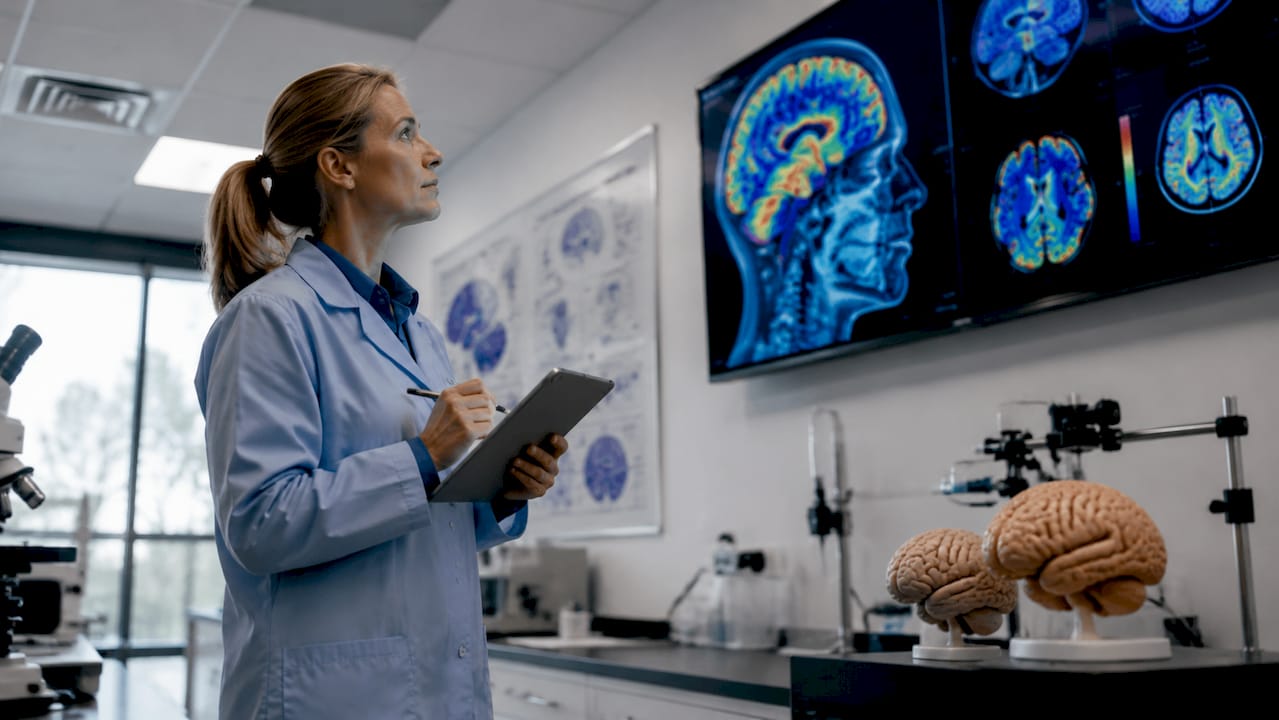
Inflammation is the primary biological reason traumatic brain injury recovery stalls, extends for months, or never fully completes. Clinicians use the term neuroinflammation to describe this process, and TBI affects nearly 55 million people worldwide each year, with secondary neuroinflammation identified as the leading driver of long-term disability. The role of inflammation in slow TBI recovery is not simple. Your brain needs an initial inflammatory response to clear debris and begin repairs. The problem starts when that response refuses to switch off. Understanding this distinction is the first step toward reclaiming your recovery.
Neuroinflammation is defined as the brain’s immune response to injury, driven primarily by microglia, the brain’s resident immune cells. After a TBI, microglia activate rapidly and shift into what researchers call the M1 state, a pro-inflammatory mode that releases cytokines including TNF-α, IL-6, and IL-1β. This initial burst is necessary. It clears dead cells, seals the blood-brain barrier, and signals repair crews to the injury site.
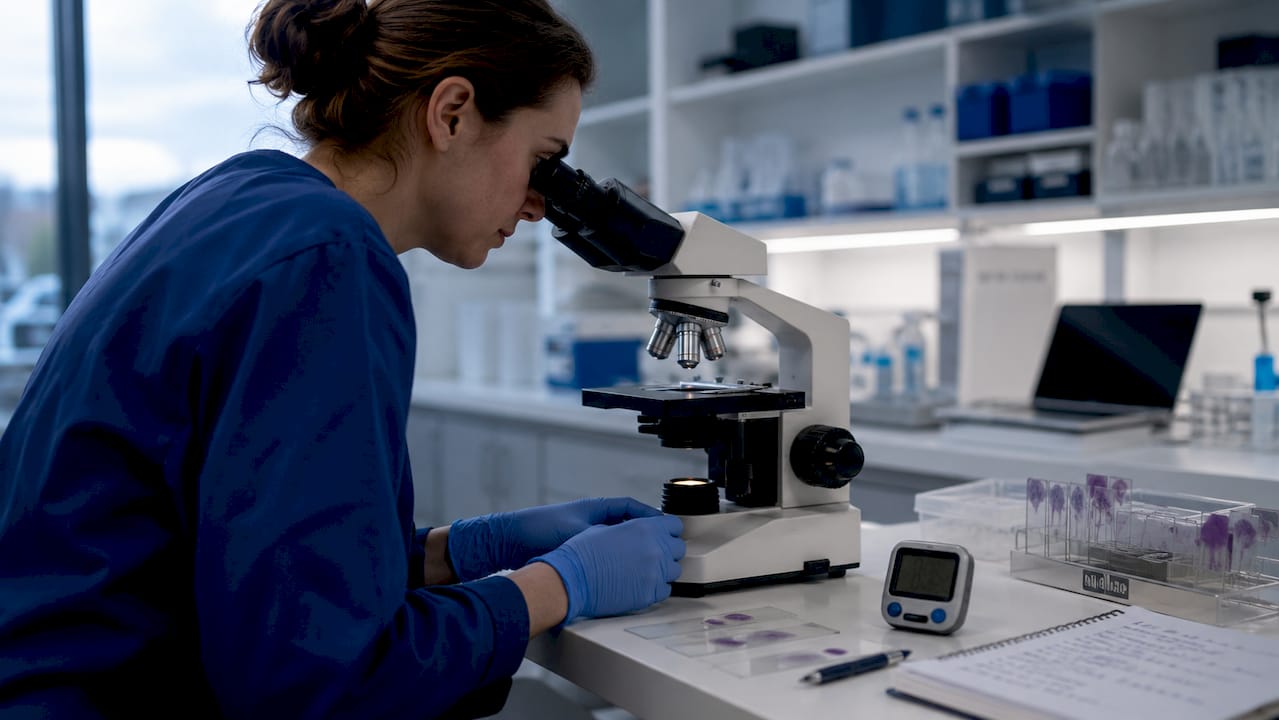
The problem is the transition. Effective healing requires microglia to shift from the destructive M1 state into the reparative M2 state. Delayed recovery is directly linked to a failure or delay in that M1-to-M2 shift. When microglia stay locked in M1 mode, they continue releasing inflammatory signals long after the initial injury has stabilized.
That sustained cytokine activity triggers a secondary injury cascade. Oxidative stress builds up, the blood-brain barrier weakens further, and neurons begin to die. Chronic cytokine activity damages neurons and directly impairs cognitive function, which explains why many TBI patients report worsening brain fog, memory problems, and mood changes weeks or months after the original injury.
Pro Tip: Ask your care team specifically about microglial polarization. The goal is not to suppress all inflammation but to support the shift from M1 to M2 activity. That distinction changes which interventions make sense for your recovery.
Three factors now stand out in recent research as powerful, modifiable influences on how long neuroinflammation persists after a TBI: gut health, sleep quality, and age-related baseline inflammation.
Your gut microbiome directly regulates microglial activation. Protective bacteria like Akkermansia muciniphila and Hungatella hathewayi reduce brain inflammation markers TNF-α and IL-6 at 28 days post-TBI, and their presence correlates with better cognitive outcomes. This is the role of gut health in TBI recovery made concrete: specific bacterial strains produce butyrate, a short-chain fatty acid that crosses into the brain and promotes anti-inflammatory microglial phenotypes.
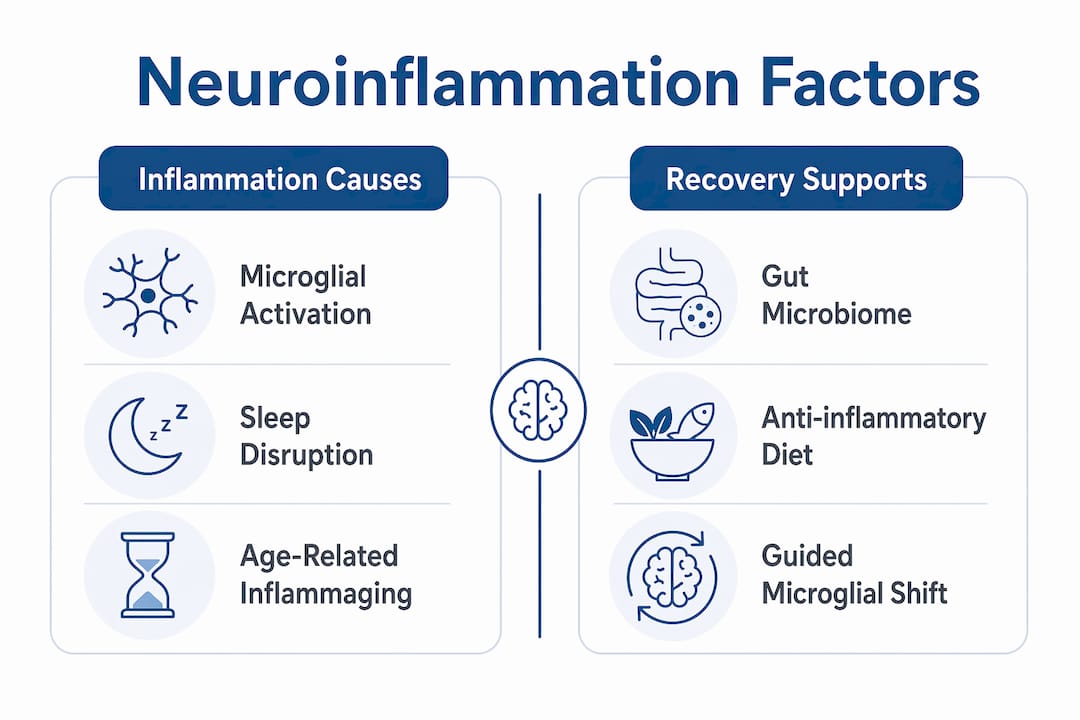
Butyrate lowers TNF-α, IL-6, and IL-1β while increasing IL-4 and IL-10 expression. That shift mirrors exactly what the brain needs to move from destructive to reparative inflammation. Experimental approaches including fecal microbiota transplantation and Akkermansia supplementation show early promise in reducing persistent microglial activation after TBI.
Pro Tip: A diet rich in fermented foods, prebiotic fiber, and diverse plant-based sources supports the bacterial strains most associated with lower neuroinflammation. This is not a replacement for medical care, but it is a low-risk, evidence-informed addition to your recovery plan.
Sleep fragmentation for 30 days following TBI worsens microglia-associated neuroinflammation and impairs both behavioral and functional recovery. Poor sleep after a brain injury is not just uncomfortable. It actively changes microglial gene expression at the transcriptome level, making the inflammatory environment harder to resolve.
Older adults carry a pre-existing condition called inflammaging, a state of low-grade systemic inflammation combined with mitochondrial dysfunction. Inflammaging and metabolic deficits lower repair capacity after TBI, meaning the same injury produces a longer, more damaging inflammatory response in an older brain than in a younger one.
| Factor | Effect on neuroinflammation | Modifiable? |
|---|---|---|
| Gut microbiome diversity | Reduces TNF-α, IL-6 via butyrate production | Yes, through diet and probiotics |
| Sleep fragmentation | Worsens microglial gene expression, prolongs M1 state | Yes, through sleep hygiene and treatment |
| Inflammaging (older adults) | Increases baseline cytokine levels, slows M2 transition | Partially, through metabolic and dietary interventions |
| Mitochondrial dysfunction | Reduces cellular energy for repair, amplifies oxidative stress | Partially, through targeted supplementation |
The inflammation effects on TBI shift significantly depending on the phase of recovery. Understanding this timeline helps you interpret your symptoms and make better decisions about treatment timing.
| Phase | Inflammation role | Primary risk |
|---|---|---|
| Acute (hours to days) | Clears debris, seals blood-brain barrier, signals repair | Excessive early response causing secondary injury |
| Subacute (days to weeks) | Bridges initial repair with tissue remodeling | Incomplete M1-to-M2 transition stalling recovery |
| Chronic (weeks to months or years) | Persistent microglial activation, glial scarring | Neurodegeneration, synaptic loss, cognitive decline |
In the acute phase, inflammation is your brain’s first responder. It removes cellular debris, contains the damage zone, and recruits repair signals. Suppressing this phase entirely would actually slow healing.
The chronic phase is where the impact of inflammation on the brain becomes destructive. Persistent glial scarring blocks new neural connections from forming. Ongoing cytokine release disrupts synaptic signaling, which is why cognitive symptoms like memory loss and processing speed deficits often worsen rather than improve over time. Systemic inflammation from sources outside the brain, including gut permeability, chronic stress, or metabolic disease, can cross the weakened blood-brain barrier and add fuel to an already active fire.
Patients who experience slow recovery from brain injury frequently show markers of chronic neuroinflammation that were never fully resolved in the subacute window. This is why early, targeted intervention matters more than waiting to see if symptoms improve on their own.
Managing the inflammation effects on TBI requires a layered approach. No single strategy resolves neuroinflammation alone, but combining several evidence-informed practices creates meaningful cumulative benefit.
Prioritize sleep quality above almost everything else. Sleep is when microglial repair activity peaks and inflammatory byproducts are cleared. Fragmented sleep actively worsens neuroinflammation at the genetic level, so treating sleep disorders, including post-TBI insomnia or sleep apnea, is a clinical priority, not a lifestyle preference.
Support your gut microbiome with targeted nutrition. Increase dietary fiber, fermented foods like kefir and sauerkraut, and prebiotic-rich vegetables. These support Akkermansia muciniphila and butyrate-producing bacteria that directly reduce brain inflammation markers.
Engage in controlled, graduated physical activity. Gentle movement promotes anti-inflammatory microglial shifts and improves mitochondrial function. Overexertion in early recovery can spike inflammatory markers, so work with a physical therapist to find the right intensity.
Be cautious with broad anti-inflammatory supplements or medications. Blanket suppression of inflammation can impair the debris clearance your brain still needs. Personalized systems-level monitoring targeting specific inflammatory pathways is the emerging standard. Work with a provider who understands this distinction.
Track and address systemic inflammation sources. Gut permeability, metabolic dysfunction, chronic stress, and poor diet all feed neuroinflammation from outside the brain. Addressing these factors reduces the total inflammatory burden your recovering brain must manage.
Chronic neuroinflammation, driven by a stalled M1-to-M2 microglial shift, is the central mechanism behind slow TBI recovery and must be managed through targeted, not blanket, anti-inflammatory strategies.
| Point | Details |
|---|---|
| Dual role of inflammation | Early inflammation aids repair; chronic activation causes neuronal death and cognitive decline. |
| Microglial shift is the key | Recovery depends on microglia moving from M1 to M2 state; this transition can be supported or blocked by lifestyle factors. |
| Gut health directly matters | Bacteria like Akkermansia muciniphila reduce brain inflammation markers and improve cognitive outcomes post-TBI. |
| Sleep disruption worsens outcomes | Fragmented sleep for even 30 days alters microglial gene expression and prolongs neuroinflammation. |
| Personalized care outperforms generic treatment | Biological differences in age, gut health, and baseline inflammation mean one-size-fits-all approaches consistently underperform. |
Most people recovering from a TBI come in thinking inflammation is the enemy. They want it gone. I understand that instinct completely. But the science tells a more complicated story, and I think patients deserve to hear it clearly.
The goal is never to eliminate inflammation. The goal is to guide it. Your brain’s microglia need to do their job in the acute phase. The real problem is when they get stuck. I have seen patients who were doing everything right on paper, resting, taking supplements, following standard advice, but their sleep was fragmented every night and their gut health was a mess. Those two factors were quietly keeping their microglia in a destructive state that no amount of rest alone could fix.
What I find most underappreciated is how much the gut-brain axis matters in TBI recovery. Most patients have never been told that specific bacteria in their digestive system are producing compounds that directly regulate their brain’s inflammatory state. When I explain that Akkermansia muciniphila levels correlate with lower TNF-α in the brain after injury, something clicks. It makes the dietary recommendations feel real rather than generic.
The other thing I want you to take away is this: age changes everything. Older adults are not just slower to heal because of age in some vague sense. They carry a measurable biological burden called inflammaging that raises their baseline inflammatory state before any injury occurs. That is a specific, addressable problem, not an inevitable outcome.
Recovery from TBI is not linear, and inflammation is not your enemy. It is a system that needs support, not suppression. Understanding that distinction is genuinely empowering.
— Chad
If you are dealing with persistent symptoms after a brain injury, the team at Brainrestoremeridian in Meridian, Idaho, builds recovery plans that address neuroinflammation directly. The clinic combines chiropractic care, functional medicine, hyperbaric oxygen therapy, neurofeedback, and nutrition guidance into personalized protocols designed around your specific biology.
Generic recovery plans rarely account for the factors that matter most, including your gut microbiome, sleep quality, age-related inflammation, and the current phase of your injury. Brainrestoremeridian takes a whole-body view of brain health, targeting the underlying drivers of slow recovery rather than managing symptoms in isolation. Reach out to schedule a consultation and start building a recovery plan that actually fits your situation.
Neuroinflammation is the brain’s immune response to injury, driven by activated microglia releasing cytokines like TNF-α and IL-6. When this response persists beyond the acute phase, it causes neuronal death, synaptic dysfunction, and cognitive decline rather than repair.
Gut bacteria like Akkermansia muciniphila produce butyrate, which reduces pro-inflammatory cytokines in the brain and promotes reparative microglial activity. Poor gut health removes this protective effect and allows neuroinflammation to persist longer after injury.
Yes. Sleep fragmentation after TBI alters microglial gene expression and worsens neuroinflammation, directly impairing functional and behavioral recovery. Treating sleep disruption is a clinical priority in TBI rehabilitation.
Broad anti-inflammatory drugs can impair the debris clearance your brain needs in the early recovery phase. The better approach is targeted inflammation management guided by a provider who understands the M1-to-M2 microglial transition and your specific recovery stage.
Older adults carry pre-existing low-grade systemic inflammation called inflammaging, combined with mitochondrial dysfunction, that raises baseline cytokine levels and slows the microglial shift needed for repair. This makes personalized, age-aware care especially important for older TBI patients.