Evidence First Plan for Peripheral Neuropathy Without Drugs
September 15, 2026

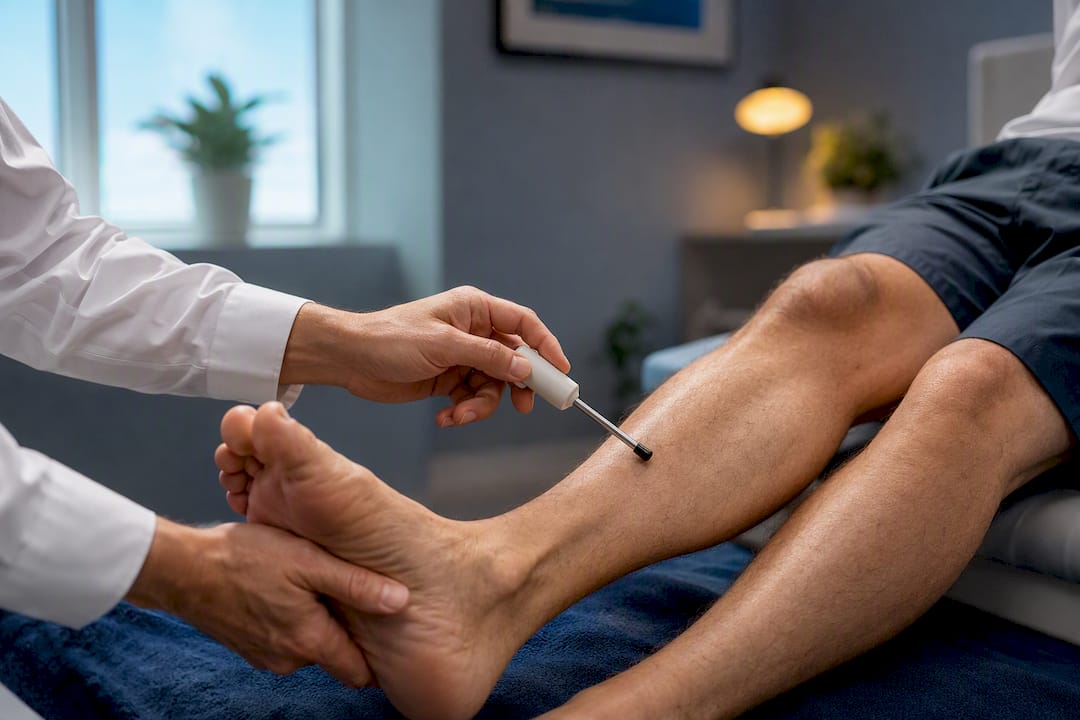
You can reduce peripheral neuropathy symptoms without drugs through a combination of targeted exercise, topical treatments, TENS or similar neuromodulation, select supplements, dietary changes, and behavioral therapies, especially when the underlying cause (like blood sugar) is also managed. Evidence strength varies by approach, so this works best alongside a clinician who can rule out red flags and track your progress. Start by recording symptoms and testing one or two strategies for several weeks before adding more.
TL;DR:
- Combining lifestyle modifications like diet, exercise, and topical treatments yields modest but noticeable improvements, especially when tailored to the underlying cause.
- Diabetic neuropathy responds best to blood sugar control and anti-inflammatory diets like Mediterranean-style eating, while chemotherapy-induced neuropathy relies more on symptom management strategies.
- Exercise programs that include endurance and sensorimotor training improve circulation, balance, and nerve resilience over several weeks, with foot protection crucial for sensory loss.
- TENS and topical agents such as capsaicin and lidocaine provide targeted pain relief, but require ongoing use and proper application for sustained benefits.
- Supplements like alpha-lipoic acid show some evidence for pain reduction but must be used carefully under clinician supervision due to blood sugar effects.
Peripheral neuropathy develops when the nerves outside your brain and spinal cord get damaged, usually from a mix of poor blood flow, chronic inflammation, and metabolic stress on nerve fibers. In diabetic neuropathy, the most common form, chronically elevated blood sugar damages the small blood vessels feeding your nerves, starving them of oxygen and nutrients over time. Chemotherapy-induced neuropathy works differently. Certain chemo drugs are directly toxic to nerve fibers, and the damage often shows up months after treatment ends. Idiopathic neuropathy, where no clear cause turns up, may still respond to the same non-drug strategies because the downstream problems (inflammation, poor nerve nutrition, disrupted pain signaling) look similar regardless of the trigger.
This is why non-drug approaches work at all. They’re not masking pain the way a medication might. They’re addressing the actual mechanisms driving nerve damage and pain amplification.
Non-drug treatments generally act on three fronts:
A systematic review of nonpharmacologic interventions for diabetic peripheral neuropathy found that no single approach carries the whole load. Exercise, dietary changes, and neuromodulation each move the needle a little, and combining them appears necessary for sustained improvement rather than a brief bump.
Not everyone benefits equally. People with diabetic neuropathy tend to see the clearest gains from combined lifestyle and metabolic approaches, since improving glycemic control directly slows the mechanism causing their nerve damage. Chemotherapy-induced neuropathy responds more to symptom management strategies (TENS, topical agents) since the original toxic exposure has already happened and can’t be reversed the same way. Idiopathic neuropathy patients often do best with a broad, trial-and-error combination, since there’s no single metabolic target to correct.
Diet is one of the lowest-risk, lowest-cost places to start, and it has real evidence behind it, though not universally strong evidence. A systematic review of dietary lifestyle interventions for neuropathic pain found that low-fat, plant-based diets and Mediterranean-style eating patterns produced statistically significant improvements in neuropathic pain measures across several trials. The review’s authors were careful to note that overall evidence certainty is moderate, meaning the direction of benefit looks real but more and larger trials are still needed before anyone can call this a settled question.
Statistic callout: Trials reviewed in the MDPI systematic review reported measurable pain-scale improvements with dietary interventions like low-fat, plant-based and Mediterranean-style eating, though the researchers classified the overall body of evidence as moderate certainty rather than high certainty.
Here’s what that means practically. A Mediterranean-style pattern (vegetables, fish, olive oil, nuts, minimal processed food) reduces the kind of systemic inflammation that appears to aggravate neuropathic pain. Low-fat, plant-forward eating seems to help through a similar anti-inflammatory pathway, and it also tends to improve blood sugar control, which matters directly for diabetic neuropathy. Ketogenic approaches have some preclinical interest for nerve health, but the evidence in humans with neuropathy remains limited, so it’s not something to build a treatment plan around yet.
Supplements come up constantly in neuropathy forums, and two have genuine clinical backing:
Both carry a genuine caution worth taking seriously: alpha-lipoic acid can affect blood sugar levels. If you’re diabetic and using it alongside insulin or other glucose-lowering medications, you need your clinician monitoring your levels, since the combined effect could push blood sugar lower than expected. Acetyl-L-carnitine can have its own metabolic effects, and coordinating with the clinician managing your neuropathy treatment lets someone track relevant labs if needed.
A few practical, low-friction tips:
Exercise has some of the strongest evidence in the entire non-drug toolkit, particularly when it combines two specific types of training. Reviews synthesizing work from researchers like Streckmann and colleagues support combined endurance and sensorimotor training as having enough evidence to justify including it in standard treatment plans for peripheral neuropathy. The logic is straightforward: endurance work improves circulation and metabolic function, while sensorimotor training (balance drills, proprioception exercises) directly retrains the nervous system pathways that neuropathy disrupts.
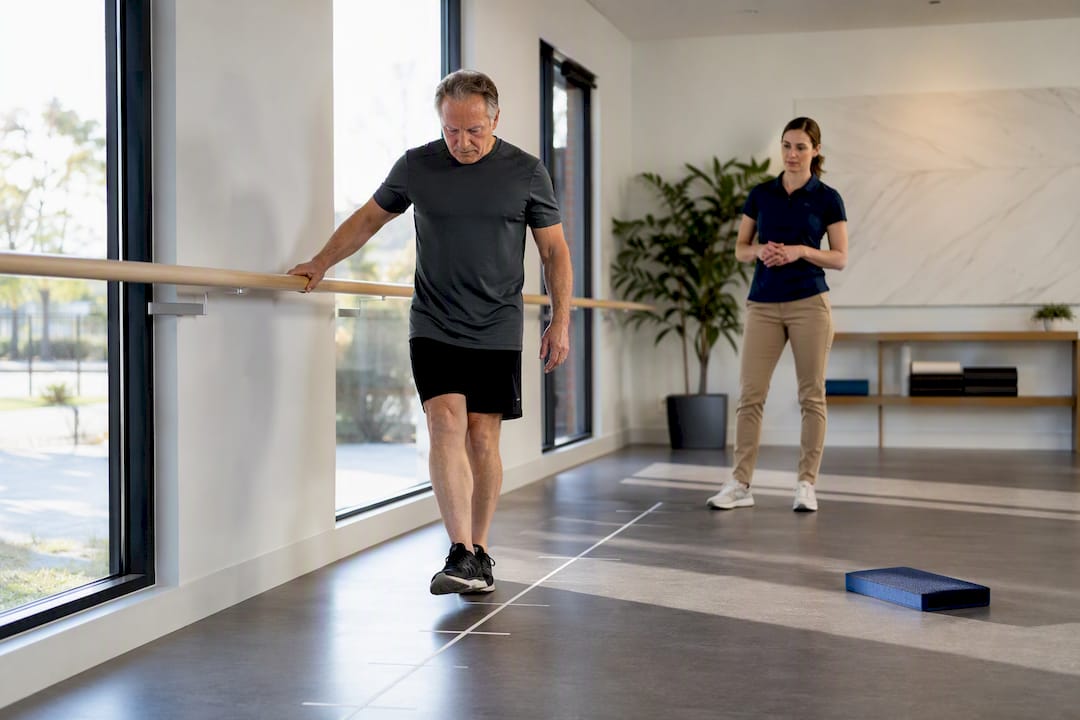
Lower-intensity, longer-duration sessions tend to outperform short, intense workouts for this population, largely because they’re sustainable and less likely to trigger the kind of joint stress or fatigue that derails consistency. Consistency, more than intensity, is what drives results here.
Here’s a sample weekly structure that reflects the evidence-based approach:
Progress gradually. Add five minutes to endurance sessions every one to two weeks rather than jumping intensity, and only increase balance-drill difficulty once the current level feels stable and controlled.
Foot protection is non-negotiable for anyone with sensory loss in the feet, since reduced sensation means you can injure yourself without feeling it happen right away:
Pro Tip: Start sensorimotor drills near a wall or sturdy chair for the first two weeks. Balance training is what delivers the biggest functional gains, but it’s also where falls happen if you progress too fast.
When should you bring in a physical or occupational therapist instead of going it alone? If balance problems are affecting daily walking, if you’ve had a recent fall, or if you need a brace, orthotic, or assistive device fitted correctly, a referral makes sense. Physical therapists can also build a gait-training program tailored to your specific sensory deficits, which is hard to replicate from a generic online routine.
TENS is the most accessible device-based option, and it has real evidence behind it. Multiple clinical trials and systematic reviews report improvements in diabetic neuropathy pain and sensory symptoms with TENS use, though the benefit tends to fade once you stop using the device regularly. This isn’t a one-time fix. It’s a maintenance therapy, closer to how you’d think about a daily stretching routine than a course of antibiotics.
A typical home protocol involves placing electrode pads on or around the affected area (commonly the feet or lower legs for diabetic neuropathy) and running sessions of 20 to 30 minutes, often daily or several times a week. Electrode placement matters more than most people expect. Pads positioned too far from the symptomatic area, or set at intensities too low to produce a genuine tingling sensation, tend to underperform. Getting instruction from a clinician or physical therapist on placement and dosing the first time you try TENS avoids weeks of trial and error.
Beyond TENS, several clinic-based neuromodulation options exist for people whose symptoms don’t respond well enough to home strategies:
Each step up this ladder trades convenience for potentially stronger effect, and also trades low risk for higher procedural risk. That trade-off is exactly why a pain specialist or neurologist needs to be involved before considering scrambler therapy or spinal cord stimulation. These aren’t decisions to make from a symptom checklist.
Insurance coverage varies widely by device and diagnosis, so it’s worth asking your clinician’s office to check authorization requirements before scheduling anything beyond basic TENS, which is often available over the counter without a prescription. If your neuropathy is diabetes-related, your primary care physician or endocrinologist is usually the right first stop for a referral into any of the clinic-based options.
Topical agents work locally, which makes them appealing if you want targeted relief without systemic effects. Two categories have real clinical support: capsaicin and lidocaine.
Low-concentration capsaicin creams (typically 0.025% to 0.1%) are available over the counter and work by depleting substance P, a chemical involved in transmitting pain signals, with repeated use over several weeks. The 8% capsaicin patch is a different animal entirely. It’s applied by a clinician in a controlled setting because of the intensity of the initial burning sensation, and it’s typically reapplied every few months rather than daily.
Lidocaine patches numb the treated area directly and are generally well tolerated, making them a reasonable option for localized pain zones rather than widespread symptoms across both feet.
Practical guidance for using these safely:
Skin checks matter here too, particularly for anyone with diabetic neuropathy who already has reduced sensation. Watch for redness, blistering, or unusual warmth at the application site, since numbed skin might not signal irritation the way it normally would until damage has already progressed.
Acupuncture has the most consistent evidence among complementary therapies for peripheral neuropathy, particularly the diabetic form. Meta-analyses reviewing acupuncture for diabetic peripheral neuropathy found positive effects on both symptoms and quality of life, though the underlying studies vary enough in design that researchers still call for more standardized trials. A reasonable trial run looks like 8 to 12 sessions over several weeks, with symptom tracking (a simple 1 to 10 pain scale, plus notes on numbness or tingling) so you and your practitioner can judge whether it’s actually working rather than guessing.
Massage and similar bodywork therapies have a thinner and more mixed evidence base for neuropathy specifically. Some patients report symptom relief and improved circulation locally, but the research doesn’t support massage as a primary treatment the way it does for exercise or TENS. Think of it as a reasonable comfort measure to layer in, not a core strategy.
Essential oils and topical botanicals generate a lot of consumer interest, but the evidence here is thin and inconsistent. Dosing isn’t standardized across products, concentrations vary by brand, and some oils can interact with topical medications or irritate already-sensitive skin. If you want to try one, patch-test first and treat it as a minor addition rather than a replacement for evidence-backed options.
A few pointers for choosing a practitioner and setting expectations:
Chronic nerve pain doesn’t just hurt physically. It reshapes sleep, mood, and how much attention you give every twinge in your feet, which can amplify the pain experience itself. This is where behavioral approaches earn their place in a non-drug treatment plan, not as a replacement for physical interventions but as a parallel track.
Cognitive behavioral therapy (CBT) and mindfulness-based approaches have evidence supporting their use for chronic pain conditions generally, including neuropathic pain specifically. These aren’t about ignoring pain or “thinking positive.” CBT works by identifying and restructuring the thought patterns that make pain feel more consuming (catastrophizing, hypervigilance to symptoms), while mindfulness practices train attention to reduce the emotional amplification of physical sensation.
Sleep deserves particular attention because the relationship with pain runs both directions: poor sleep intensifies pain sensitivity, and pain disrupts sleep, creating a cycle that’s hard to break without addressing both sides.
A few sleep hygiene basics that genuinely help:
Pro Tip: If nighttime foot pain is disrupting sleep specifically, try a light, breathable sock or a cooling pad at the foot of the bed. Many neuropathy patients report that temperature changes at night, more than pressure, trigger the worst flares.
Digital and telehealth CBT programs have expanded access significantly, letting you work with a licensed therapist remotely if in-person options are limited near you. If pain is affecting your mood, sleep, or daily function significantly, that’s a reasonable trigger to ask your primary care provider for a referral to a pain psychologist or CBT-trained therapist rather than trying to manage it solo. Neurofeedback-based approaches are another mind-body avenue some clinics use alongside these behavioral strategies for chronic pain management.
Non-drug strategies work best as part of a coordinated plan, not a substitute for proper diagnosis. Mayo Clinic’s treatment overview for peripheral neuropathy recommends lifestyle measures, physical therapy, and topical or alternative therapies specifically as adjuncts to medical management, not replacements for it.
A proper diagnostic workup typically includes:
Statistic callout: Guideline-level clinical overviews consistently identify diabetes, vitamin B12 deficiency, and thyroid dysfunction as three of the most common, and most treatable, underlying drivers of peripheral neuropathy, which is exactly why blood testing belongs early in any workup.
Certain symptoms cross the line from “manage at home” to “get evaluated urgently.” These red flags include rapidly progressing weakness over days rather than months, sudden and significant balance problems that increase fall risk, or any signs of infection (fever, spreading redness, wound that won’t heal) especially on numb feet where you might not feel the warning pain you normally would.
If you’re using supplements like alpha-lipoic acid alongside insulin or diabetes medications, or trying a new TENS routine while managing other health conditions, loop your clinician in on the plan. This isn’t about needing permission. It’s about making sure your blood sugar monitoring and any other relevant labs stay on track while you layer in new non-drug strategies, since a clinician can catch an interaction or dosing issue you wouldn’t necessarily know to watch for.
A structured approach tends to outperform a scattershot one. In practice, a coordinated non-drug pathway generally follows a sequence: thorough assessment first, then targeted exercise or physical therapy, layering in neuromodulation or topical adjuncts as needed, adding behavioral support if pain is affecting sleep or mood, and ongoing monitoring to see what’s actually working.
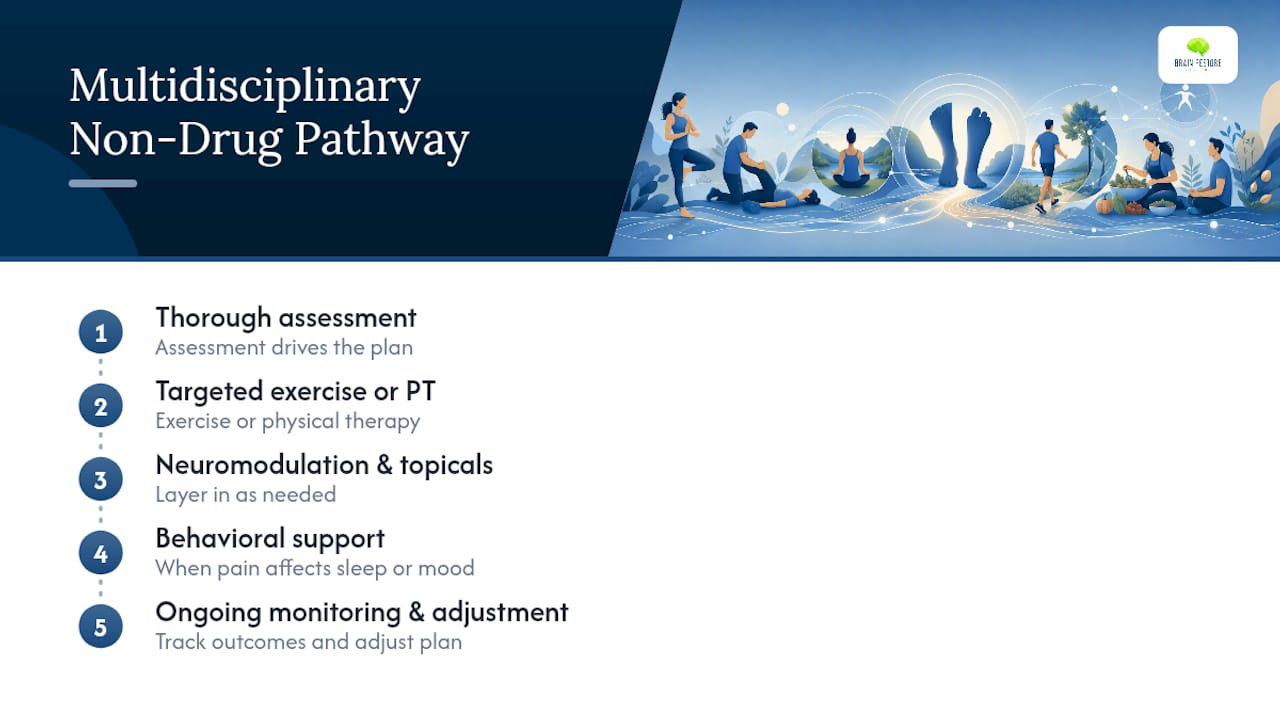
A multidisciplinary model reflects how complex nerve and pain conditions typically respond best: not to a single intervention, but to several working together and adjusted based on what the patient reports back.
Services relevant to peripheral neuropathy management at specialized clinics typically include neurofeedback, low-level laser therapy, spinal decompression and chiropractic care, hyperbaric oxygen therapy, and progressive rehab programs designed to build endurance and sensorimotor capacity in a supervised setting.
The throughline across all of it: assessment drives the plan, not a generic protocol applied the same way to every patient.
Yoga deserves its own mention alongside massage because it does something neither pure stretching nor pure strength training does: it combines controlled breathing, balance work, and gentle strength building in a single practice. For neuropathy patients specifically, chair yoga or gentle floor-based sequences can improve balance and body awareness, which directly supports the sensorimotor gains discussed in the exercise section, without the joint impact of higher-intensity workouts.
Massage, covered briefly earlier for its role in localized comfort, fits best as a recurring maintenance practice rather than a stand-alone treatment. Regular sessions (every two to four weeks, for those who find it helpful) may support circulation and reduce muscular tension that builds up from altered gait patterns, which is common when neuropathy affects balance and walking mechanics.
Neither yoga nor massage carries the same weight of evidence as exercise, diet, or TENS for peripheral neuropathy specifically. They’re supportive layers, best added once you’ve established a foundation with the higher-evidence strategies. If you’re newer to yoga, look for an instructor experienced with adaptive or gentle styles, and mention your neuropathy and any balance concerns before the first class so poses can be modified appropriately. For massage, a licensed massage therapist who asks about your specific sensory changes, rather than treating it as a generic relaxation session, will get you better and safer results.
Most people trying non-drug neuropathy strategies for the first time do better with a structured starting point than with trying everything at once. Begin by writing down your current symptoms in detail: where they occur, how intense they feel on a simple scale, and when they’re worst during the day. Ask your clinician for baseline blood work covering glucose and B12 levels if you haven’t had these checked recently, since both are common, correctable contributors to nerve symptoms.
From there, add one low-impact exercise routine and give it two to three weeks before judging results. Layer in a topical treatment or a TENS trial for four to eight weeks, since that’s roughly the window where most people start noticing whether it’s helping. Resist the urge to change three variables simultaneously. If you do, and something improves, you won’t know which change actually made the difference.
Set a follow-up appointment specifically to report back on what changed, what didn’t, and what you want to try next. Bring your symptom notes. A clinician working from your actual tracked data can adjust the plan far more precisely than one working from a vague “it’s a little better, I think.”
Shared decision-making works best when you show up with information, not just complaints.
— Chad
If you’ve read this far, you already know that lasting relief from peripheral neuropathy rarely comes from one single fix. It tends to come from combining approaches under the guidance of a team that treats the whole picture, not just the symptom. Some clinics coordinate exercise-based rehab, device-supported therapies, and functional medicine assessments in one location rather than referring out to separate specialists for each piece.

A first visit typically involves a thorough assessment of your symptoms, relevant history, and any prior testing you’ve had, followed by a discussion of which combination of therapies fits your situation. Reasonable questions to bring to that visit include what the assessment will cover, what a realistic care pathway looks like over the coming weeks, and how costs and insurance coverage apply to the specific services being recommended, since coverage varies by therapy type.
For readers whose neuropathy overlaps with chronic pain more broadly, neurofeedback for chronic pain is one avenue worth asking about, alongside low-level laser therapy as a device-based option for localized nerve and tissue support. If spinal nerve involvement is part of your picture, it’s also worth asking whether non-surgical spinal decompression has a role in your specific case. Book an initial evaluation to find out which combination makes sense for you.
Combining a short TENS session, a topical capsaicin or lidocaine application, and gentle sensorimotor exercise tends to produce the most noticeable relief, since each targets pain signaling differently. Give any single method several weeks before judging its effect, and coordinate supplement or device use with your clinician.
Untreated neuropathy, especially the diabetic form, typically progresses. Numbness and weakness can spread, balance problems increase fall risk, and unnoticed foot injuries can escalate into infections or ulcers because reduced sensation masks early warning signs.
A Mediterranean-style or low-fat, plant-based diet has shown measurable improvements in some clinical trials for neuropathic pain, likely through reduced inflammation and, for diabetics, better blood sugar control. Pairing this with alcohol moderation and regular B12 monitoring rounds out a practical approach.
Plain white rice isn’t specifically harmful, but it’s a high-glycemic carbohydrate that can spike blood sugar, which matters directly for diabetic neuropathy. Swapping in whole grains like brown rice, quinoa, or barley fits better within the anti-inflammatory, blood-sugar-friendly eating pattern that shows the most evidence for symptom improvement.
Yes. Exercise, dietary changes, TENS, topical agents, select supplements like alpha-lipoic acid, and behavioral therapies all have clinical evidence supporting their use for peripheral neuropathy, particularly when combined and coordinated with a clinician managing the underlying cause.