Vertigo Treatment Meridian: Your 2026 Recovery Guide
July 17, 2026

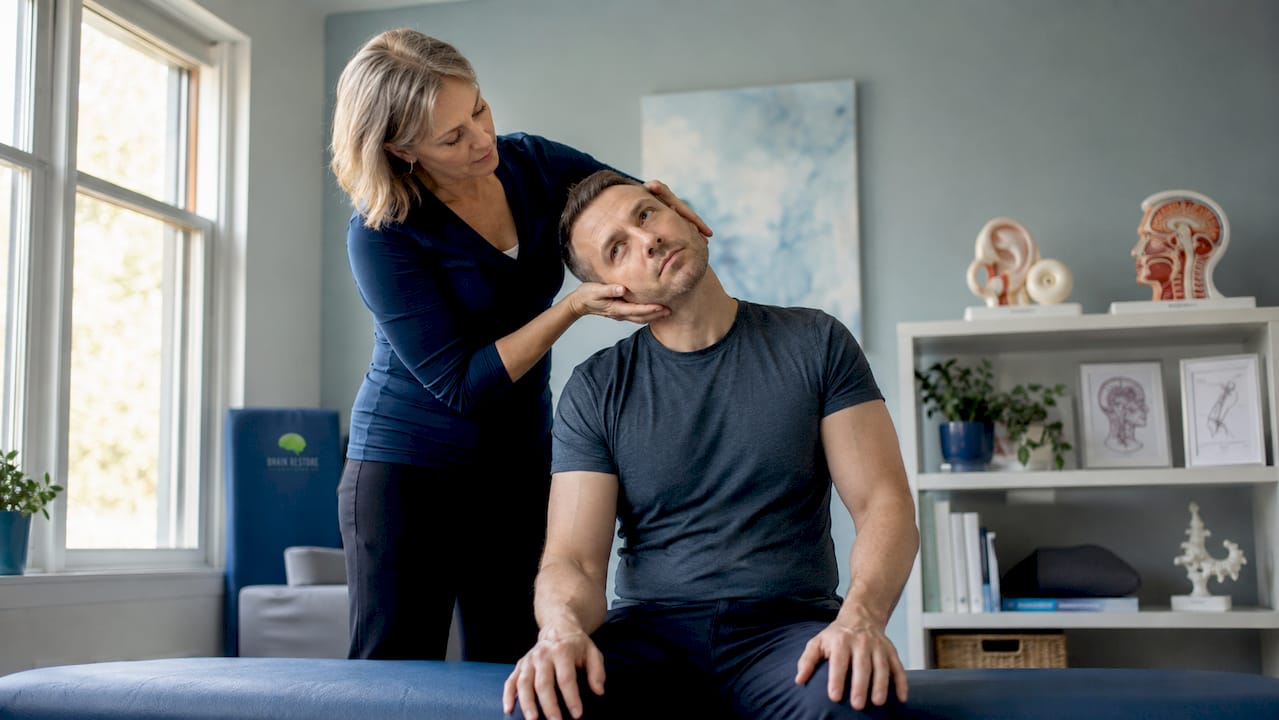
Vertigo treatment is defined as a set of targeted clinical interventions designed to stop the false sensation of spinning and restore normal balance function. Benign Paroxysmal Positional Vertigo, or BPPV, is the most common cause of vertigo in the U.S., and it responds well to the Epley maneuver, vestibular rehabilitation therapy (VRT), and acupuncture. For patients seeking vertigo treatment in Meridian, Idaho, the good news is that all three of these approaches are accessible locally, and combining them produces better outcomes than any single therapy alone. This guide breaks down each option so you can walk into your first appointment informed and ready.
Vertigo is a symptom, not a diagnosis. That distinction matters because the right treatment depends entirely on the underlying cause. BPPV, Ménière’s disease, vestibular neuritis, and cervical spine dysfunction each require a different clinical response. A precise diagnosis from a qualified specialist is the non-negotiable first step, and home treatments alone should never replace that evaluation.
Meridian patients have access to a range of vertigo therapy options, from mechanical repositioning maneuvers to functional medicine and chiropractic care. The most effective treatment plans combine at least two of these approaches. Brainrestoremeridian, for example, integrates neurofeedback, photobiomodulation, and functional medicine to address the neurological and musculoskeletal factors that drive balance disorders.

The Epley maneuver is the gold standard for BPPV. It works by guiding dislodged calcium carbonate crystals, called otoconia, back into the correct chamber of the inner ear through a specific sequence of head and body positions. When performed correctly, rapid symptom relief often occurs within a single session. That speed is remarkable compared to most neurological interventions, which typically require weeks of treatment before results appear.
The procedure itself involves four main position changes, each held for about 30 seconds:
Professional guidance is critical. Performing the maneuver incorrectly can shift crystals into a worse position and intensify symptoms. Brainrestoremeridian’s chiropractic and manual therapy team can assess whether the Epley maneuver is appropriate for your specific presentation before you attempt it.
Pro Tip: Ask your provider to confirm which ear is affected before the maneuver begins. Treating the wrong side will not relieve symptoms and may make them worse.
Vestibular rehabilitation therapy is a specialized form of physical therapy designed to retrain the brain’s ability to process balance signals. The goal is not to fix the inner ear directly. Instead, VRT teaches the central nervous system to compensate for faulty signals coming from a damaged vestibular organ. VRT exercises include gaze stabilization, balance training, and coordination drills, each targeting a different aspect of the balance system.
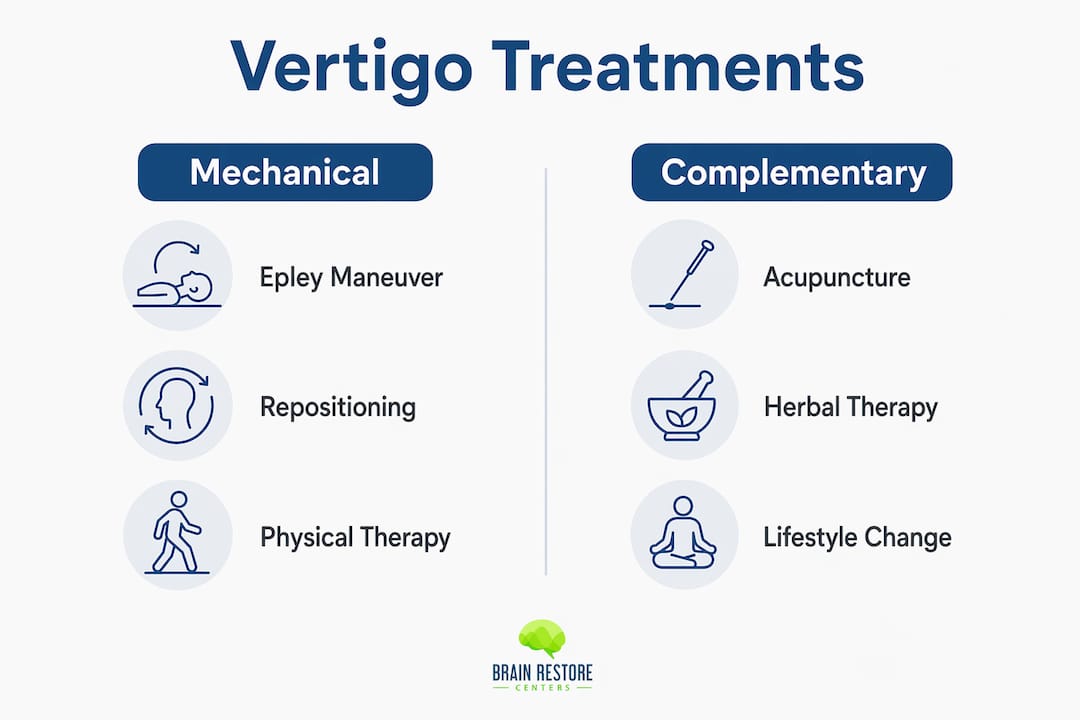
Patients working with vestibular specialists in Meridian can expect a structured program that typically spans several weeks. Consistency matters more than intensity. Short daily sessions produce better results than infrequent long ones because the brain adapts through repetition.
Key exercises used in VRT programs include:
Cervical spine dysfunction is a frequently overlooked contributor to dizziness. Chiropractic adjustments that address neck tension and joint dysfunction can restore proprioceptive function and meaningfully reduce vertigo episodes in patients whose symptoms originate in the cervical spine.
Pro Tip: Keep a symptom diary during VRT. Tracking which exercises trigger dizziness and how quickly it resolves helps your therapist adjust the program and shows you how much progress you are making.
Traditional Chinese Medicine (TCM) views vertigo as a symptom of internal imbalance rather than a mechanical fault. Three primary TCM patterns drive most vertigo presentations: Liver Yang Rising, Phlegm-Dampness accumulation, and Kidney Essence deficiency. Each pattern produces a distinct clinical picture and requires a different treatment strategy. This is why two patients with identical spinning sensations may receive completely different acupuncture protocols.
Commonly used acupuncture points for vertigo include:
| TCM Pattern | Primary Symptom | Typical Treatment Duration |
|---|---|---|
| Liver Yang Rising | Sudden, intense spinning with headache | 2–4 weeks |
| Phlegm-Dampness | Heavy-headed dizziness with nausea | 4–6 weeks |
| Kidney Essence deficiency | Chronic mild dizziness, fatigue | 6–8 weeks |
Acupuncture combined with herbal therapy typically runs 8–12 sessions for most vertigo patterns. Herbal formulas like Ban Xia Bai Zhu Tian Ma Tang address Phlegm-Dampness at a constitutional level that acupuncture alone cannot fully resolve. TCM works best as a complement to mechanical therapies like the Epley maneuver, not as a standalone replacement.
Diet, supplementation, and stress management all influence how often vertigo episodes occur and how severe they feel. For patients with Ménière’s disease, sodium restriction to 1,500 mg per day is a clinical standard for reducing inner ear fluid buildup. That limit is stricter than general dietary guidelines, so reading food labels carefully becomes a daily habit.
Vitamin D deficiency is directly linked to increased BPPV recurrence. Vitamin D supplementation has been shown in clinical trials to lower recurrent vertigo incidence in deficient patients. Getting your vitamin D level tested is a simple, low-cost step that many patients overlook. Magnesium supports nerve conduction and may reduce the frequency of vestibular migraine, another common driver of dizziness.
Ginger is one of the most practical natural vertigo solutions for Meridian patients managing nausea between appointments. Ginger reduces vestibular-related nausea effectively, though it does not address the underlying cause of vertigo. Think of it as a comfort tool, not a cure.
“Stress and sleep deprivation amplify vestibular symptoms. When your nervous system is overtaxed, the brain’s ability to filter and compensate for faulty balance signals drops significantly. Managing fatigue is not optional in vertigo recovery. It is part of the treatment.”
Functional medicine offers a structured way to address these lifestyle factors together. Brainrestoremeridian’s functional medicine approach evaluates nutritional deficiencies, hormonal imbalances, and nervous system stress as part of a complete vertigo recovery plan.
Effective vertigo recovery in Meridian requires combining precise mechanical interventions, targeted rehabilitation, and lifestyle support rather than relying on any single treatment.
| Point | Details |
|---|---|
| Diagnosis comes first | Identifying the specific cause of vertigo determines which treatment will actually work. |
| Epley maneuver for BPPV | This repositioning technique often resolves BPPV symptoms in a single professional session. |
| VRT rebuilds balance | Gaze stabilization and balance training retrain the brain to compensate for vestibular deficits. |
| TCM addresses root patterns | Acupuncture and herbal therapy target Liver Yang Rising, Phlegm-Dampness, or Kidney deficiency based on your specific presentation. |
| Lifestyle changes reduce recurrence | Sodium restriction, vitamin D supplementation, and stress management lower the frequency of future episodes. |
Most patients arrive convinced their vertigo is purely an inner ear problem. That assumption leads them to focus only on the Epley maneuver and ignore everything else. The reality is that vertigo originates from multiple sources, including cervical spine dysfunction, anxiety, nutritional deficiencies, and central nervous system dysregulation. Treating only one piece of that puzzle produces partial results at best.
The patients who recover fastest are the ones who commit to a multidisciplinary plan. They do their VRT exercises daily, they address their diet, they get their vitamin D checked, and they show up for their chiropractic or acupuncture appointments consistently. The ones who struggle are usually waiting for a single magic fix.
One thing I tell every patient: do not wait until symptoms become debilitating to seek care. Early intervention with the right combination of therapies produces significantly better outcomes than delayed treatment after months of worsening episodes. If you are experiencing recurring dizziness in Meridian, the best vertigo specialists here can evaluate you quickly and build a plan that fits your specific pattern.
— Chad
Vertigo that does not resolve with standard maneuvers often has a neurological or systemic component that requires a broader evaluation.
Brainrestoremeridian combines neurofeedback, photobiomodulation, and functional medicine to address the neurological factors that drive persistent balance disorders. Neurofeedback retrains brainwave patterns that contribute to vestibular dysregulation, while photobiomodulation supports cellular repair in the nervous system. These therapies work alongside chiropractic care and spinal decompression to address the full picture. If you are ready to move beyond symptom management and address the root causes of your dizziness, schedule a consultation with the Brainrestoremeridian team in Meridian today.
The Epley maneuver is the gold standard for BPPV and frequently resolves symptoms in a single session by repositioning displaced inner ear crystals. Professional guidance is required to perform it correctly.
VRT typically runs several weeks, with daily short sessions producing the best results. The exact duration depends on the severity of your vestibular deficit and how consistently you practice the prescribed exercises.
Yes. Acupuncture combined with herbal therapy improves vertigo symptoms across multiple TCM patterns, with most patients completing 8–12 sessions. It works best alongside mechanical therapies rather than as a standalone treatment.
Vitamin D deficiency is linked to increased BPPV recurrence, and supplementation reduces recurrent vertigo incidence in deficient patients. Ask your provider to test your levels as part of your initial evaluation.
Seek specialist care if your vertigo lasts more than a few minutes, recurs frequently, or is accompanied by hearing loss, tinnitus, or neurological symptoms like double vision. These signs point to causes that require professional diagnosis and targeted treatment beyond home remedies.
Questions about your next step?
Our Meridian team can help you understand the evaluation process and which care options may fit your needs.
Schedule a ConsultationPrefer to speak with our team? Call 208-639-1397